
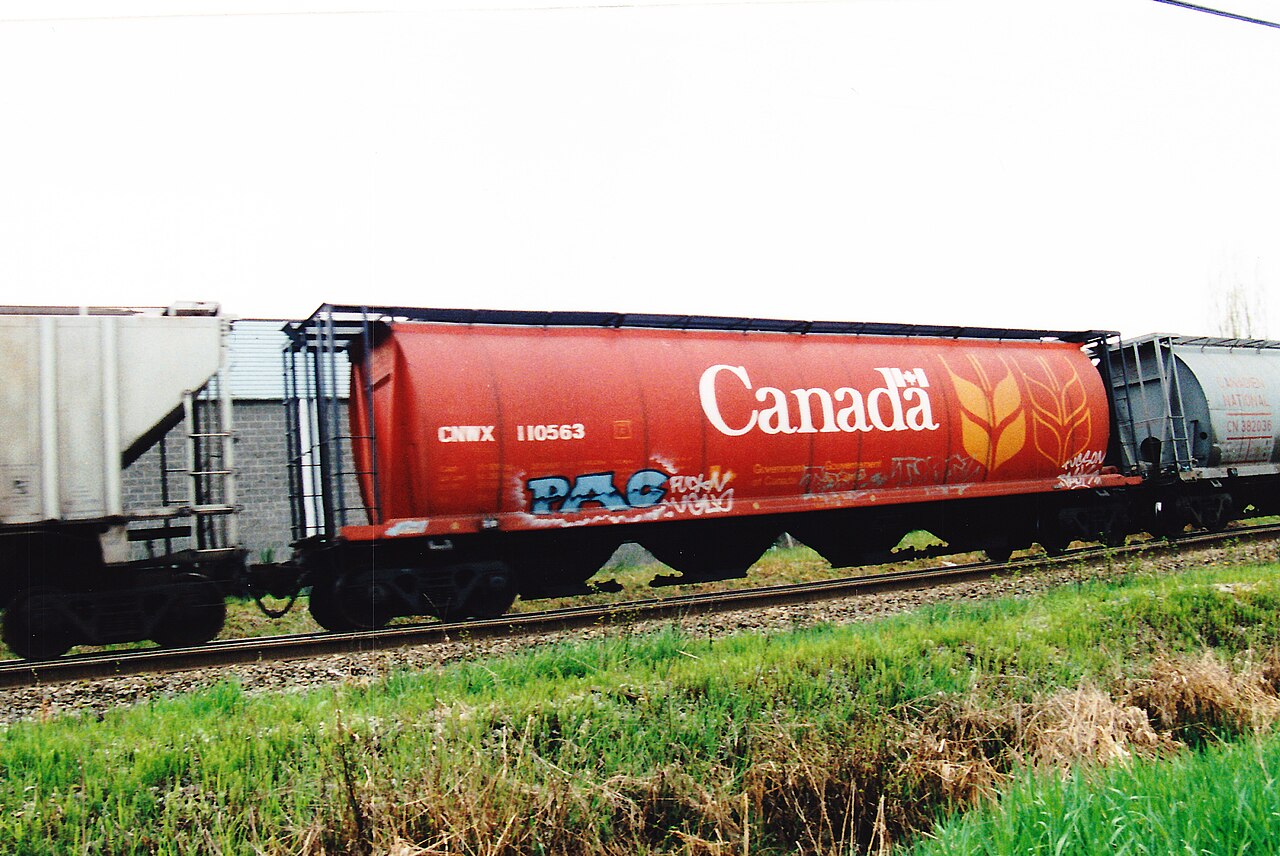
The first bill the Canadian government has tabled in the fall session of Parliament contains two measures that matter to farmers: a longer life for extended rail interswitching on the Prairies and a new framework for ending labour disputes that threaten the economy, Farms.com reports.
Bill C-39, the Building Canada Strong Act, is mainly designed to speed up reviews of infrastructure projects. Inside it, the government proposes a four-year continuation of the 160-kilometre extended interswitching radius for Alberta, Saskatchewan and Manitoba. Interswitching is the transfer of rail traffic from one railway company to another, and a longer radius gives shippers such as grain companies more than one carrier to bargain with.
The government document says the extension will only take effect when there is a reliable trading relationship with the United States, because American railways such as BNSF also benefit from interswitching. The Liberals promised a three-year extension of the Extended Railway Interswitching Pilot during the 2025 election campaign. Extended interswitching became law in 2014 under Prime Minister Harper and was renewed until Parliament was prorogued in January 2025.
The second measure concerns Section 107 of the Canada Labour Code, which lets the labour minister end work stoppages. Under C-39 the minister could use that power only after a special mediator has been appointed, completed the mandate and published a report, the minister has considered it, and the minister has concluded that a strike or lockout would have a significant adverse national impact.
Agriculture has been caught up in several such disputes. In August 2024 Grain Growers of Canada estimated that stoppages at CN and CPKC were costing grain farmers more than $50 million a day, and the following month grain workers at the Port of Vancouver struck for four days after the labour minister asked for federal mediation. The story was written by Diego Flammini.
Photo: Rene Gourley / Wikimedia Commons (CC BY 2.0)
Source: Farms.com
Comments
(0)