
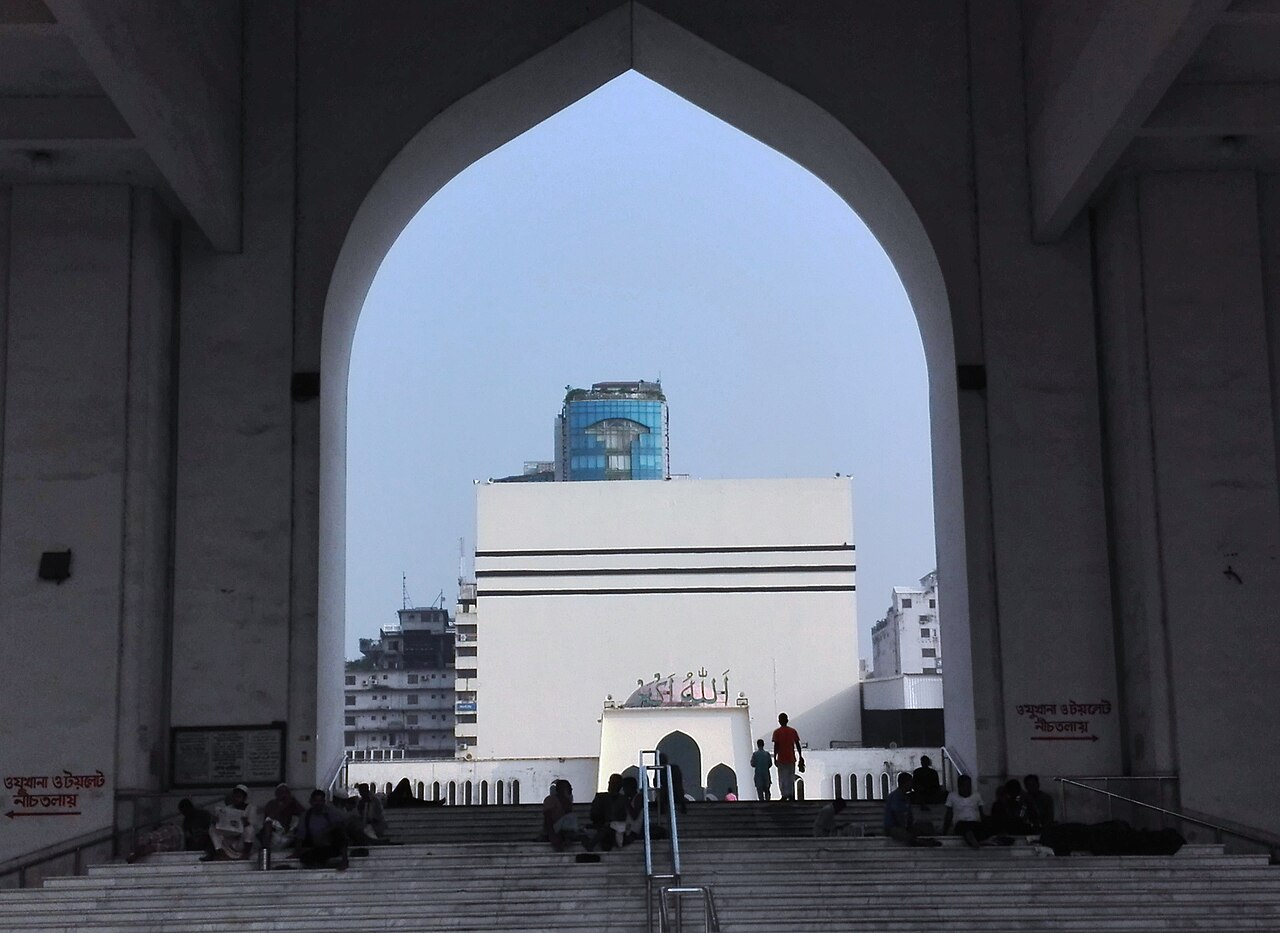
Many Muslims believe that because mosques and madrasas are houses of God and centres of religious learning, giving zakat there earns the greatest reward. But there is confusion over which expenses, such as construction, repairs, ablution areas or electricity bills, qualify for zakat and which belong to general charity. An article on Prothom Alo's religion page sets out the rules.
General charity (voluntary sadaqah) can go to any good cause, but zakat is an obligatory act of worship whose recipients are fixed in the Quran. Verse 60 of Surah At-Tawbah lists eight: the poor, the needy, those employed to collect it, those whose hearts are to be reconciled, the freeing of captives, debtors, those in the cause of God (fi sabilillah) and travellers.
The governing principle is tamlik: the money or goods must pass into the full ownership of an eligible poor person. Spending zakat directly on roads, bridges or buildings, where no one becomes the owner, does not discharge it. According to the article, jurists of all four schools agree that zakat may not be used to build a mosque or madrasa, buy land, carry out repairs, buy carpets or fans, or pay the imam and muezzin; it cites the Hanafi text al-Hidayah.
Zakat may, however, be given to orphaned, poor and destitute madrasa students for board, clothing, books and stationery (the lillah boarding or ghoraba fund). In that case the madrasa acts as the giver's agent and hands the money, or the food and clothes bought with it, to the students, or to the guardians of minors, as their property, a method the article supports from Radd al-Muhtar.
On attempts to stretch "fi sabilillah" to cover building mosques and madrasas, the article says the consensus of the four schools reads it mainly as needy fighters in the defence of the state and destitute pilgrims stranded on the way to Hajj. The Islamic Fiqh Academy of the Muslim World League in Makkah also ruled in 1985 that zakat may not normally be spent on building mosques; only for Muslims in non-Muslim countries, in extreme need, have some scholars allowed a conditional exception.
So what should fund mosques and madrasas? The article advises voluntary sadaqah, sadaqah jariyah, vow money or general donations from lawful earnings for building, repair and running costs. A hadith in Sahih al-Bukhari says God builds a house in Paradise for whoever builds a mosque for His sake. Zakat is the right of the poor, the article concludes, and givers and mosque committees alike should make sure it reaches them rather than bricks and mortar.
Photo: Ferdous / Wikimedia Commons (CC BY-SA 3.0)
Source: Prothom Alo

Comments
(0)