

Fajr, the dawn prayer, is the first act of worship of the day and an important part of a believer's life of faith. A piece on Banglavision's religion page cites the verse of Surah Bani Isra'il that speaks of the Quran recited at dawn, and a narration in Sahih Muslim (hadith 657): whoever prays Fajr is under God's protection.
It lists six habits that keep people from waking for Fajr: staying up late on unnecessary things, too much time on the phone before sleep, having no fixed bedtime, not getting enough sleep, lacking firm resolve, and switching off the alarm and going back to sleep.
The first advice is to fix a bedtime: stop needless late nights and go to bed early enough to get enough sleep and still wake before Fajr. It suggests putting the phone, social media and videos away at least 30 minutes before sleeping.
Before going to bed, make the intention to wake for Fajr and ask God for help. Set several alarms and keep the phone a little away from the bed, so that switching the alarm off means getting up. A family member who regularly wakes for Fajr can be asked to wake you; helping one another in good deeds is itself an Islamic teaching.
Sleeping after performing wudu is a sunnah, and the piece recommends making a habit of the prayer before sleep and other practices of the Prophet. To protect night-time sleep, it advises avoiding long, unnecessary daytime naps and keeping a regular schedule for sleeping and waking.
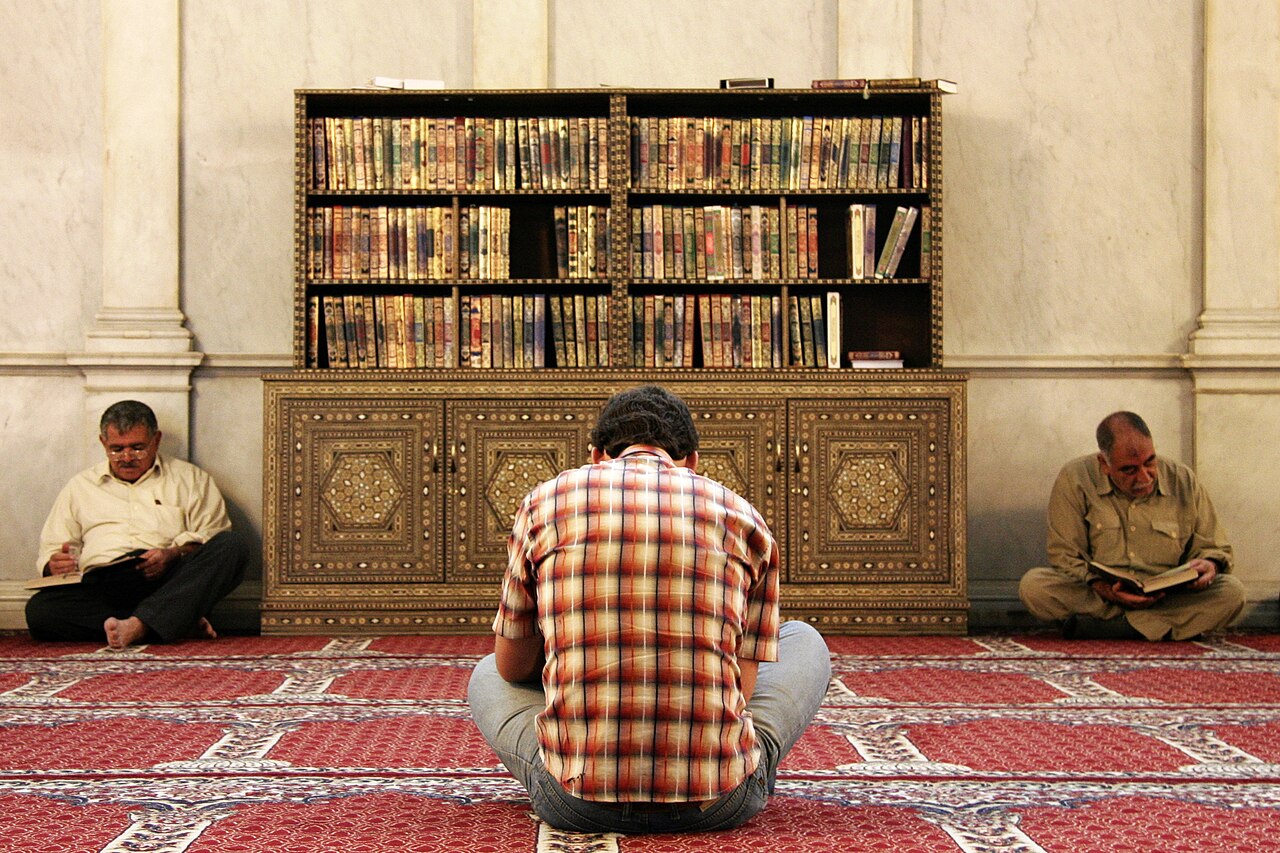
Photo: Pritom deb / Wikimedia Commons (CC BY-SA 4.0)
Source: Banglavision


Comments
(0)