
Many Muslims now turn to artificial intelligence (AI) for answers to their religious questions. AI tools such as ChatGPT and Gemini answer instantly on prayer, fasting, ritual purity, family life and financial dealings. A Banglavision report says that while the ease of getting answers has drawn interest, relying on AI to determine religious rulings raises serious questions.
People used to turn to a local scholar, a mufti or Islamic books. Now a few words typed into a smartphone bring an answer. Some ask what breaks ablution, others whether bank interest is permissible, still others about family disputes, divorce or inheritance.
AI can quote verses of the Quran, hadith and a range of Islamic opinions, but there is no guarantee every answer will be correct, complete or reliable. AI builds its answers by analysing vast amounts of data, but it is not a mufti; it lacks the deep knowledge, attention to context and skill in jurisprudence that issuing a ruling requires.
The schools of law may differ on the same question, and an answer often depends on the questioner's circumstances, intention and the details of the case. AI may give a general answer without weighing any of this, and it can sometimes produce false hadith references, inaccurate translations or information that does not exist, answers that look convincing but are wrong.
The report stresses that issuing a fatwa is a serious responsibility in Islam. On divorce, inheritance, marriage, business and financial matters in particular, a general answer given without knowing a person's situation can be harmful, and the person should set out the details to an experienced, qualified mufti.
That does not mean avoiding AI altogether, the report says. It can help with finding information, understanding a verse's translation, explaining Islamic terms or forming a first idea of a subject, provided that the verses and hadith it cites are checked against reliable books and no answer is treated as a final religious ruling. AI can find and explain information, but it cannot replace a qualified scholar's research and a responsible fatwa.
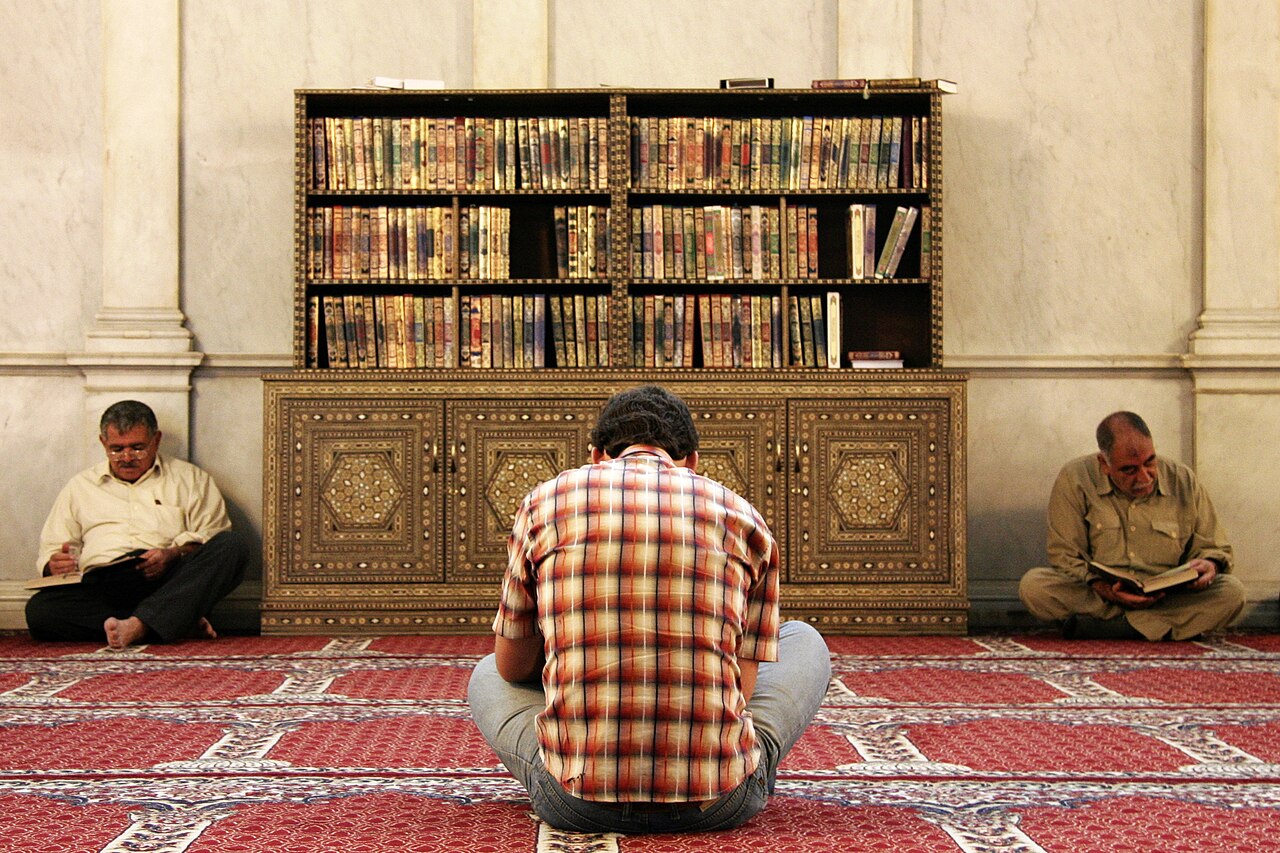
Photo: Erik Albers / Wikimedia Commons (CC0)
Source: Banglavision




Comments
(0)