
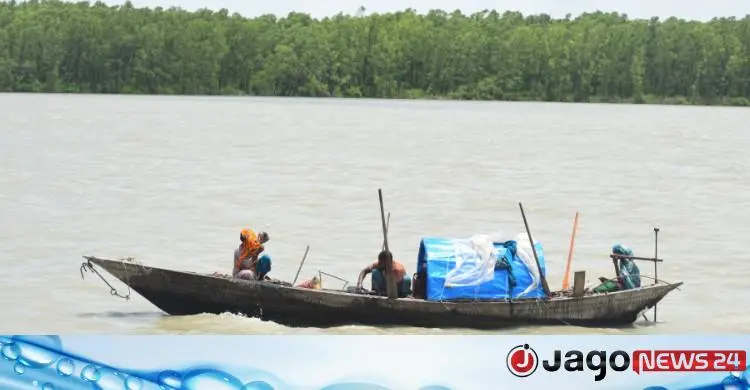
The Buragauranga river slowly wakes through the morning fog. Small boats begin to fill the water, and the calls of boatmen standing at the bows break the silence. Fishermen hold their nets, with worries about their households on their minds and their trust placed only in the river.
Suddenly a big fish lands in someone's net and a shout goes up: "It's in the net, a fish is in the net!" The scene is repeated every day, yet each morning feels new to the people here, because a new story is written with nature and the river every day. The lives of hundreds of thousands of people revolve around these stories shaped by the currents. The daily struggle with the waves is life on the Buragauranga – noisy and complicated, but full of deep sweetness.
The Buragauranga flows through Rangabali and Dashmina upazilas of the coastal district of Patuakhali and parts of Bhola. At its end it joins the Tentulia river and flows into the Bay of Bengal. The river has given people the means to live, and the people of the region have built an inseparable bond with it.
In the southern region it is not just a stream of water but the centre of people's lives, livelihoods, culture and economy. The farming life of more than a hundred riverside villages has grown up around it, and many fishing families depend on it for their living. The river is also an inseparable part of social and cultural life.
Fish, boats and trade
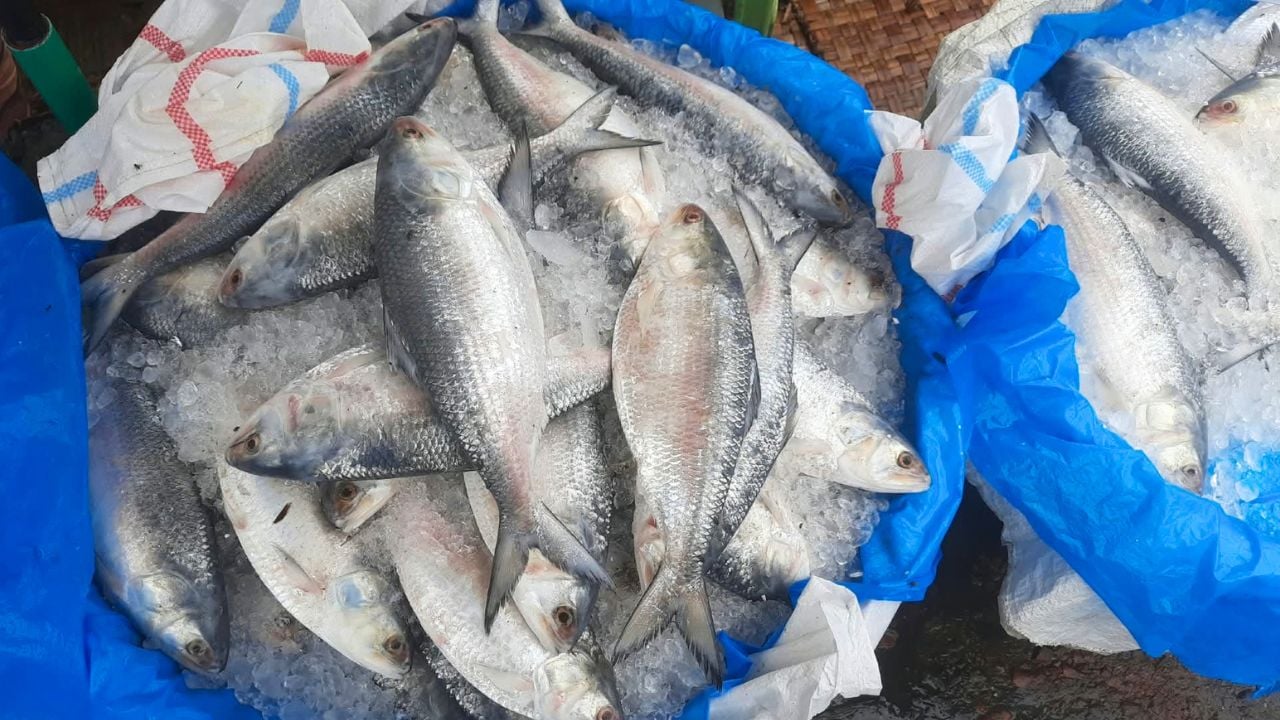
As soon as day breaks, the banks of the Buragauranga are busy. Fishermen head into the river with their nets. The river is especially known for hilsa, and nets also bring in rui, katla, poa, ramsosh, air, boal and prawns. The fish are sold in local markets, creating a cycle of earnings. River fish have become the main daily income for countless families and an important driver of the local economy.
One such fisherman is Rahman Musulli of Char Kachhopia. Now over 60, he said fishing in the river is his main occupation, and his family's expenses are met by selling his catch in the local market. "My father and grandfather raised us by fishing in this river. Now I fish and raise my children. What would we eat without the Buragauranga? The river is our mother," he said.
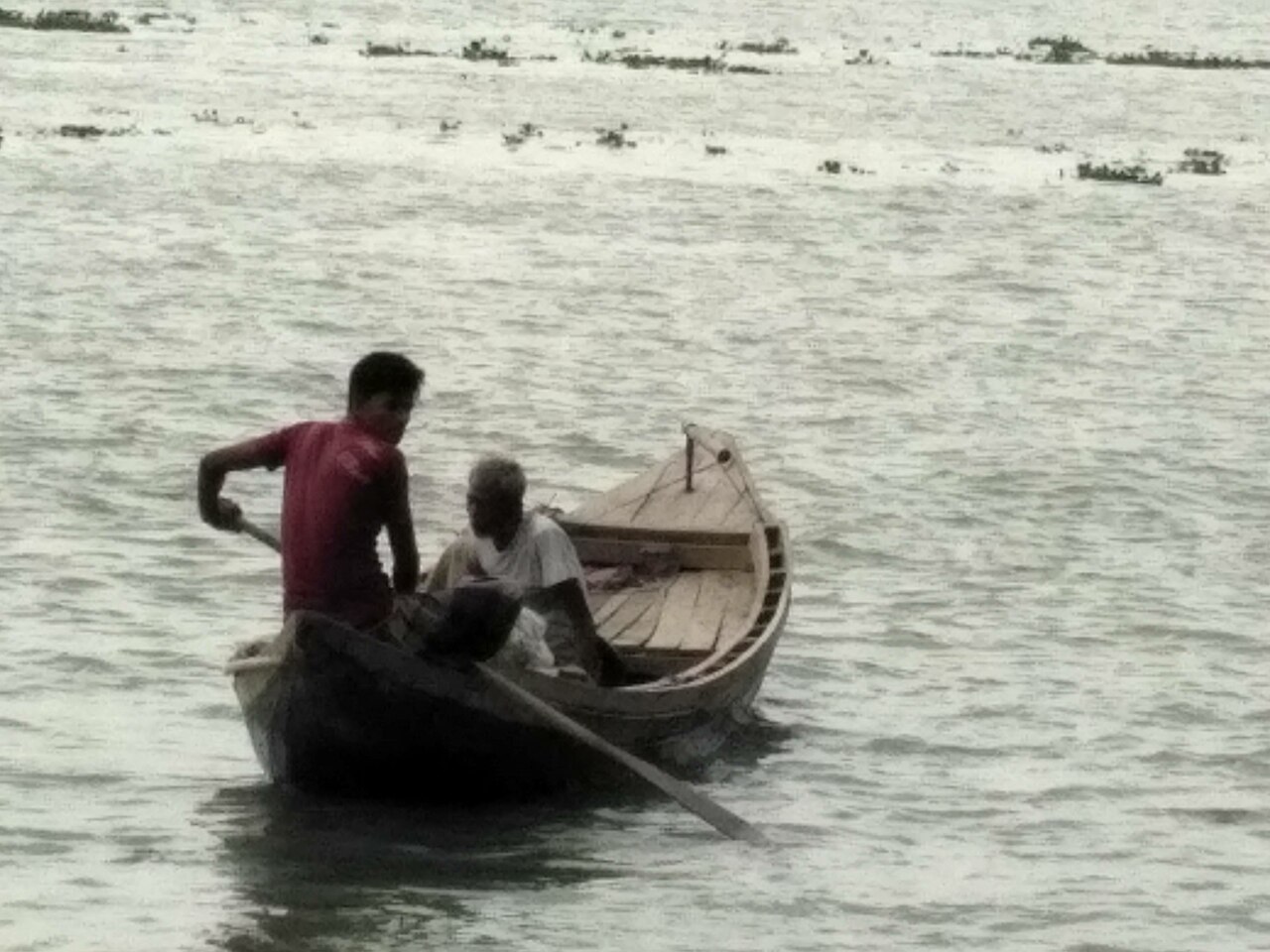
Livelihoods along the river go beyond fishing. Boatmen, boat builders, net makers and fish traders all depend on the Buragauranga in some way. It is the centre of river transport and local trade. In the monsoon, the river becomes the main way to travel in many areas, and students, farmers and traders use it every day to reach their destinations. This saves time and money, and river-based transport boosts the local economy.
Irrigation and farming
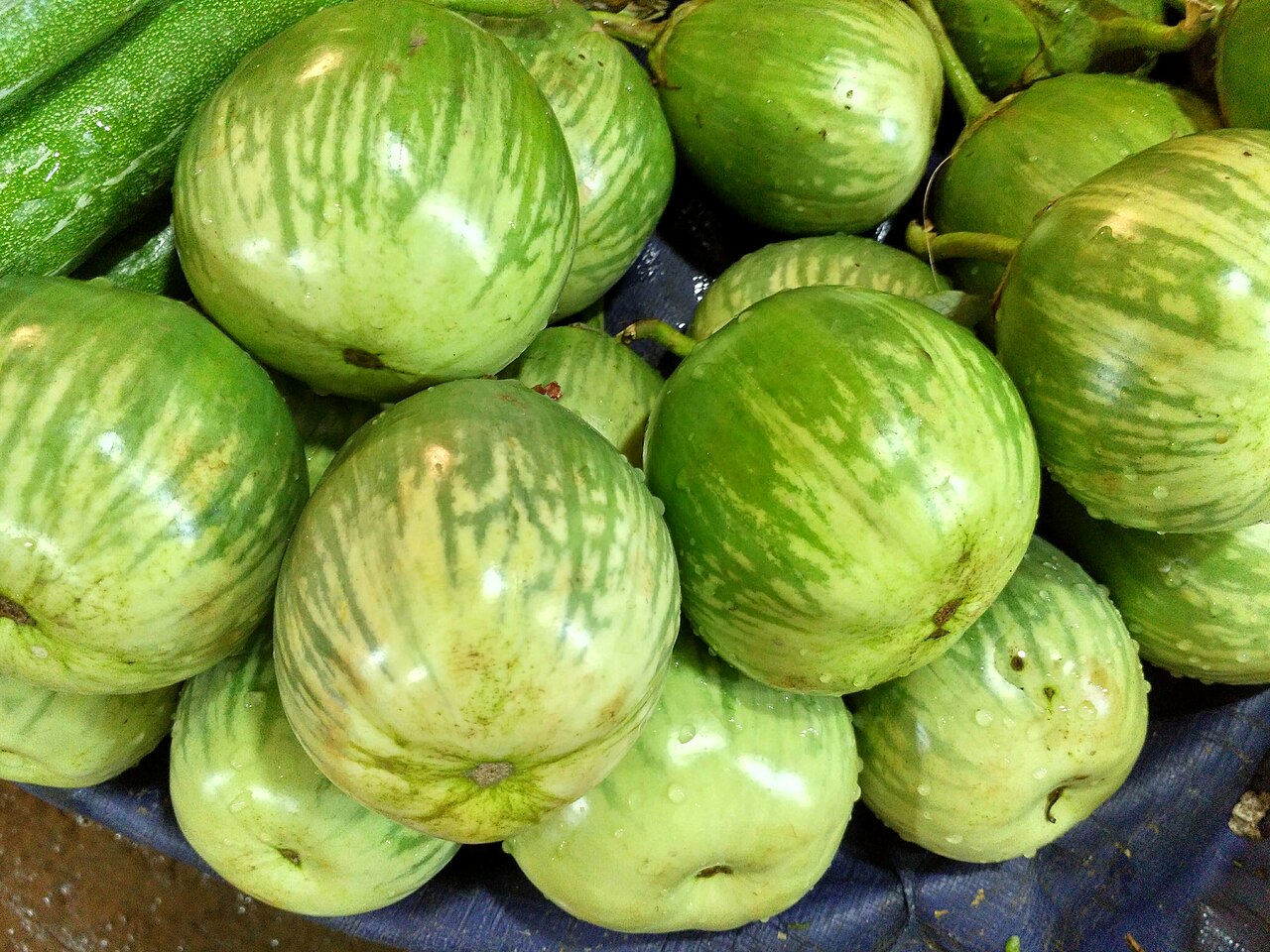
The river's role in farming is undeniable. Its water irrigates rice, vegetables and other crops. In the monsoon, silt from the river makes the surrounding land fertile, so river-based farming ensures food security for many families. Seasonal cultivation has also grown up on the river's chars, giving extra momentum to the rural economy.
Farmers irrigate rice and winter vegetables with river water. Farmer Md Solaiman said crops would not grow on his land without the river's water, and yields are better when the monsoon silt settles on the fields. Rahela Begum, a housewife in the Under Char area, said: "I grow vegetables on the char. It covers at least part of our household costs. The river has given us this opportunity."
The river has also given people an identity and a culture. Settlements, markets and routes have grown up around it. Evening gatherings and children's games take place on its banks, and the river is a silent companion to women's daily work and the rest of the elderly. At boat races, religious rites and folk festivals, the river becomes a meeting place, and its banks come alive at weddings, festivals and social gatherings. This culture has continued around the river for generations.
A river under threat
The Buragauranga is a living record of the co-existence of nature and people, but over time this lively picture has been clouded by many problems. In some places, erosion is taking people's homesteads. Elsewhere, illegal encroachment and pollution are halting the river's natural flow, and in other places silting is reducing navigability and blocking the flow. This is affecting fish breeding, threatening biodiversity and putting at risk the lives and livelihoods of people who depend on the river.
Local people voice concern. They say that if the Buragauranga survives, the community will survive, and that it is urgent to protect the river through dredging, removal of encroachments and pollution control. In their view, a coordinated initiative to save the river is the need of the hour, and effective steps to improve the lives of river-dependent people could bring it back to life. Local representatives also say that if steps are not taken now to protect the Buragauranga, a severe crisis will arise in future.
Aware local people believe that protecting the river means securing the community's future. Ayub Khan, a teacher and resident of Char Montaz union in Rangabali upazila, Patuakhali, said the Buragauranga is an inseparable part of life in the southern region, and people's lives and livelihoods have grown up around it. The river is not just a natural resource but the lifeline of a community, he said; the region's way of life, culture and future will survive only by keeping it alive, and protecting this relationship between river and people could be one of the foundations of sustainable development.
He added: "This river carries people's hopes, struggles and life stories. The community's past, present and future are mingled with its currents. So saving the river means keeping this community's way of life alive."
Source: Jagonews24. First published in Bengali on The Agro News.
Comments
(0)