
The US farm bill was set to expire on 30 September for the fourth year running as Congress works on a full five-year bill. In an interview with Northern Ag Network, Senate Agriculture Committee chairman John Boozman of Arkansas set out how he expects the legislation, known as Farm Bill 2.0, to move. His committee advanced its version earlier in September after a failed markup in August; it must now be reconciled with the bill the House passed earlier in the year.
Boozman said many priorities were handled in 2025 through the Working Families Tax Cuts, including changes to the Agriculture Risk Coverage (ARC) and Price Loss Coverage (PLC) programmes that should mean higher safety-net payments this autumn. For Montana wheat growers he put the final PLC rate at $1.29 a bushel, saying the changes could add $344 million in PLC and ARC payments, with total payments to Montana farmers expected to exceed $363 million.
A full farm bill is still needed, he said, because the 2018 law relies on data from 2012. The Senate bill, roughly 800 pages, raises Farm Service Agency loan limits to reflect today's costs of equipment, buildings and operations, and adds insurance and risk-management tools. Mandatory country-of-origin labelling for beef drew bipartisan support, which Boozman credited to Senate Majority Leader John Thune.
The main obstacle is reaching 60 votes in the Senate, with disagreement over proposed changes to state cost-sharing in the Supplemental Nutrition Assistance Program (SNAP) and their timing. Boozman said he supports a one-year delay. "Farmers have nothing to do with this," he said of the SNAP dispute.
He described differences with House Agriculture Committee chairman G.T. Thompson's bill as "not very great at all" and expects the process to gather pace in the lame-duck session after the election. USDA can take administrative steps to keep programmes running to the end of the year, he said. With diesel and fertiliser costs up and grain prices weak, he said bridge payments may be needed for farmers facing several years of losses.
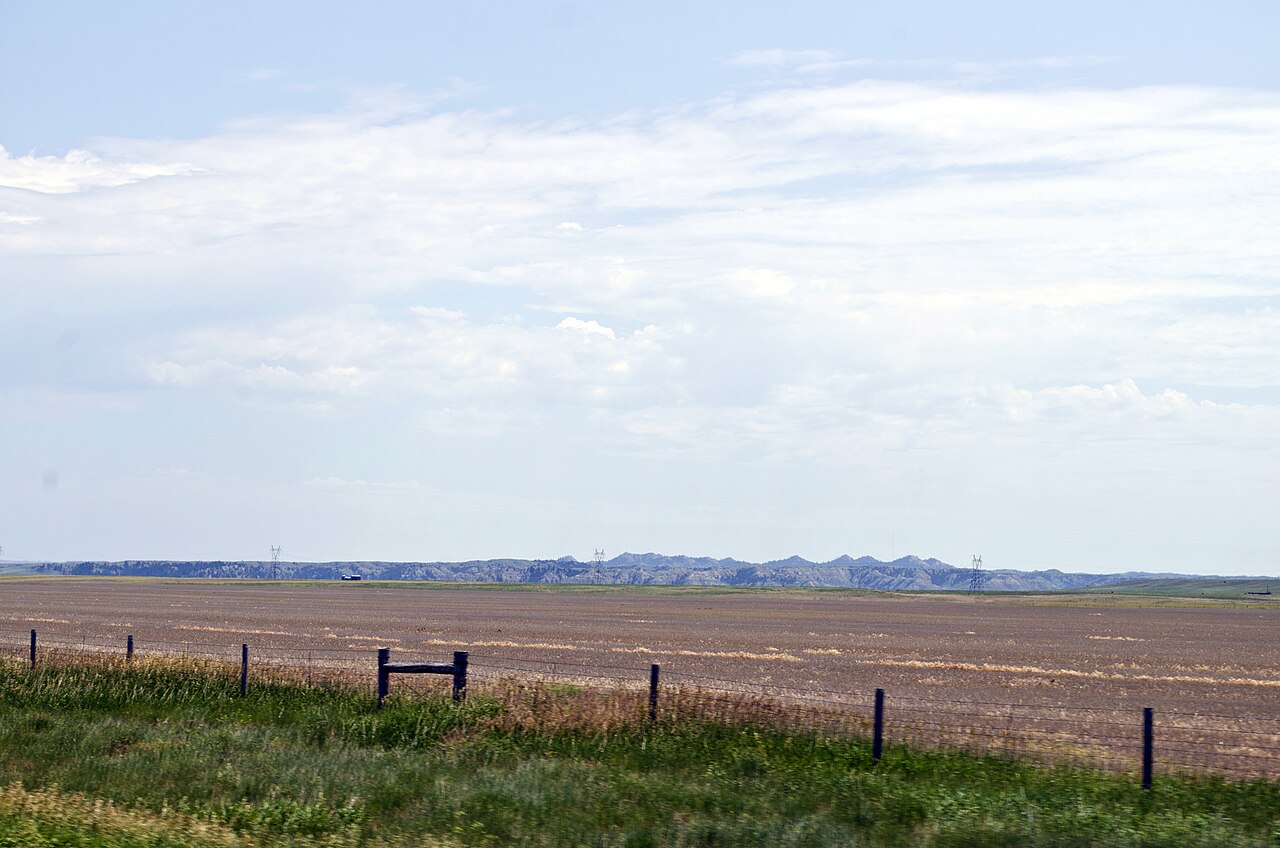
Photo: Tim Evanson / Wikimedia Commons (CC BY-SA 2.0)
Source: Northern Ag Network
Comments
(0)