
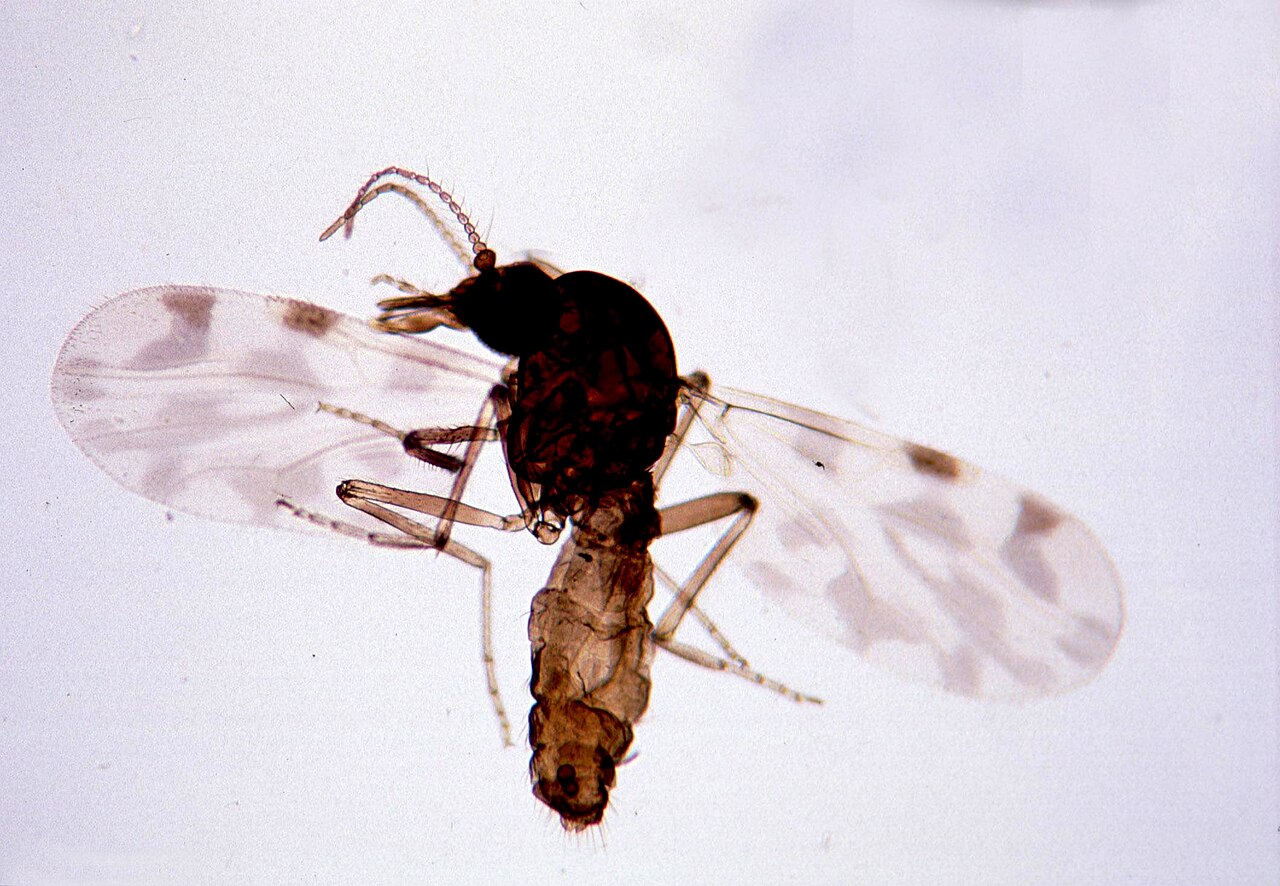
Bluetongue virus has been confirmed in three sheep on a farm in County Down, the first case in Northern Ireland in the 2026/27 season, and the Ulster Farmers' Union (UFU) has urged livestock farmers to stay vigilant, Agriland reported. The Department of Agriculture, Environment and Rural Affairs (DAERA) said no extra movement restrictions or disease control zones would be introduced.
"Given the significant spread of [bluetongue] across Great Britain and the Republic of Ireland in recent months, unfortunately it is not entirely unexpected," said UFU deputy president Clement Lynch. His message to farmers was to remain calm, check livestock regularly and report anything suspicious at once.
Bluetongue can seriously harm animal health, especially in sheep. Signs include a high temperature, lameness, swelling around the head and neck, excessive salivation, nasal discharge and sores around the mouth. The disease poses no threat to human health or food safety.
Lynch advised farmers considering vaccination to discuss it with their own vet, and to source livestock responsibly and weigh disease risk when buying or moving animals. The union said it would stay in close contact with DAERA and asked that any effect on livestock movements and trade be communicated quickly.
"This is a time for vigilance rather than alarm," he said.
Reporting by Charles O'Donnell for Agriland.
Photo: Alan R Walker / Wikimedia Commons (CC BY-SA 3.0)
Source: Agriland

Comments
(0)