
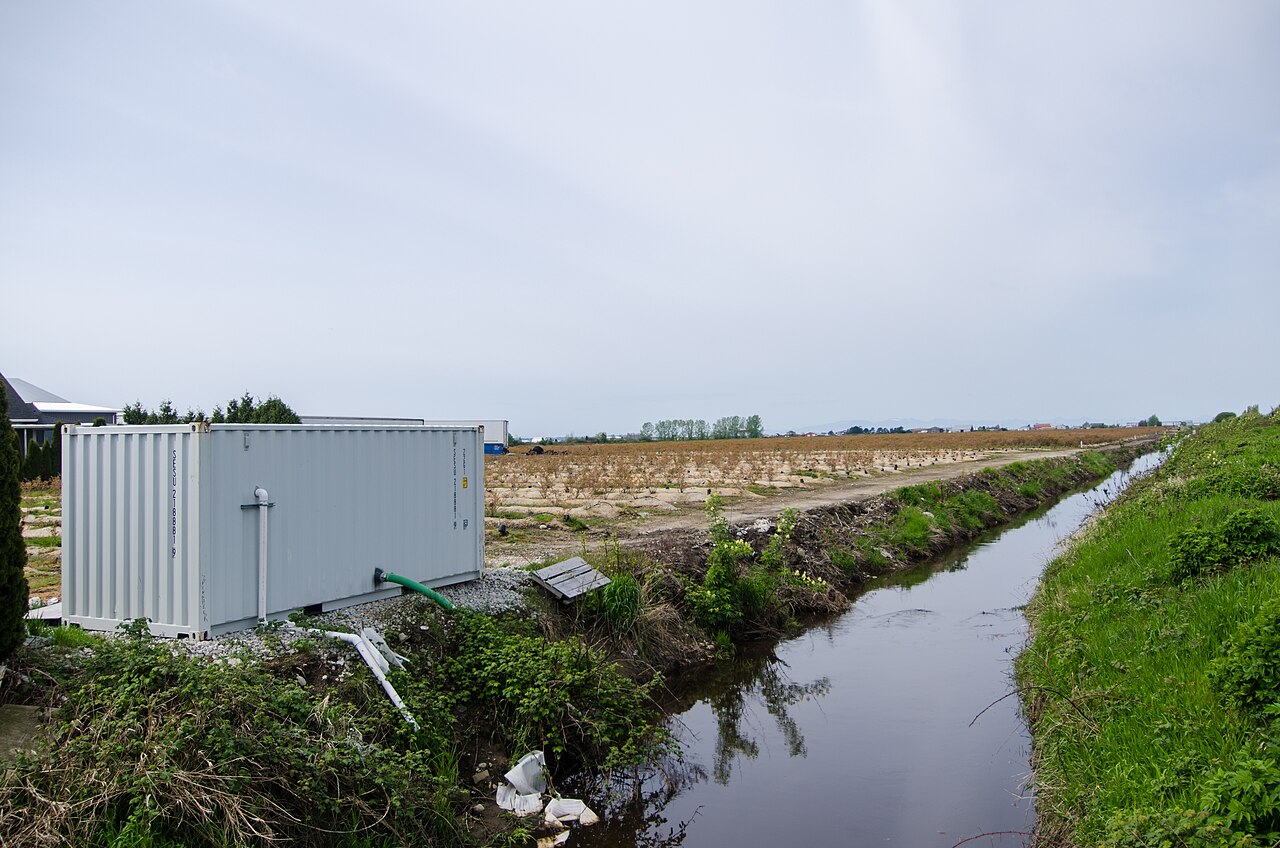
British Columbia's Agricultural Land Commission (ALC) has strongly opposed a provincial proposal to scrap the rule that food processors located in the Agricultural Land Reserve (ALR) source at least half their ingredients from BC growers, Country Life in BC reports. The proposal would cut the local content requirement to 5 percent.
In a 21 August letter to agriculture minister Lana Popham, ALC chair Jennifer Dyson said the change was a significant policy shift not supported by evidence that it would raise production, farm viability or food security, and that creating an industrial-use entitlement on protected farmland, even on Class 4 to 7 soils, would further shrink land for primary agriculture. "How does allowing facilities that may source up to 95% of their inputs from outside British Columbia and Canada materially help British Columbia farmers grow more food?" she asked.
The BC Agriculture Council (BCAC) and the Small-Scale Meat Producers Association (SSMPA) also object. BCAC executive director Danielle Synotte said a 5 percent threshold would not tie new processing to BC agriculture and could open ALR land to industrial development, and that imported produce moving through plants on farmland could bring in foreign pests and diseases. SSMPA said the change would not ease the shortage of slaughter capacity that forces livestock producers to book months ahead.
Popham argued the change could help, for example letting a chocolate factory in the ALR use BC hazelnuts and dairy. The province says land available to processors would be capped, but BCAC warns competition from well-financed firms could push land prices beyond what farmers can pay; its Farming at the Edge report found farmland appreciated at nearly four times the rate of farm income. Harold Steves, who led the creation of the ALR in 1973, said the rule would help landowners who want to develop, not bona fide farmers.
The ministry received about 250 submissions before comment closed on 18 September. The government was dissolved four days later for an election, and Popham said she would not run again, but the paper notes the idea has supporters across parties, including Delta South MLA Ian Paton.
Photo: Jeff Hitchcock / Wikimedia Commons (CC BY 2.0)
Source: Country Life in BC

Comments
(0)