
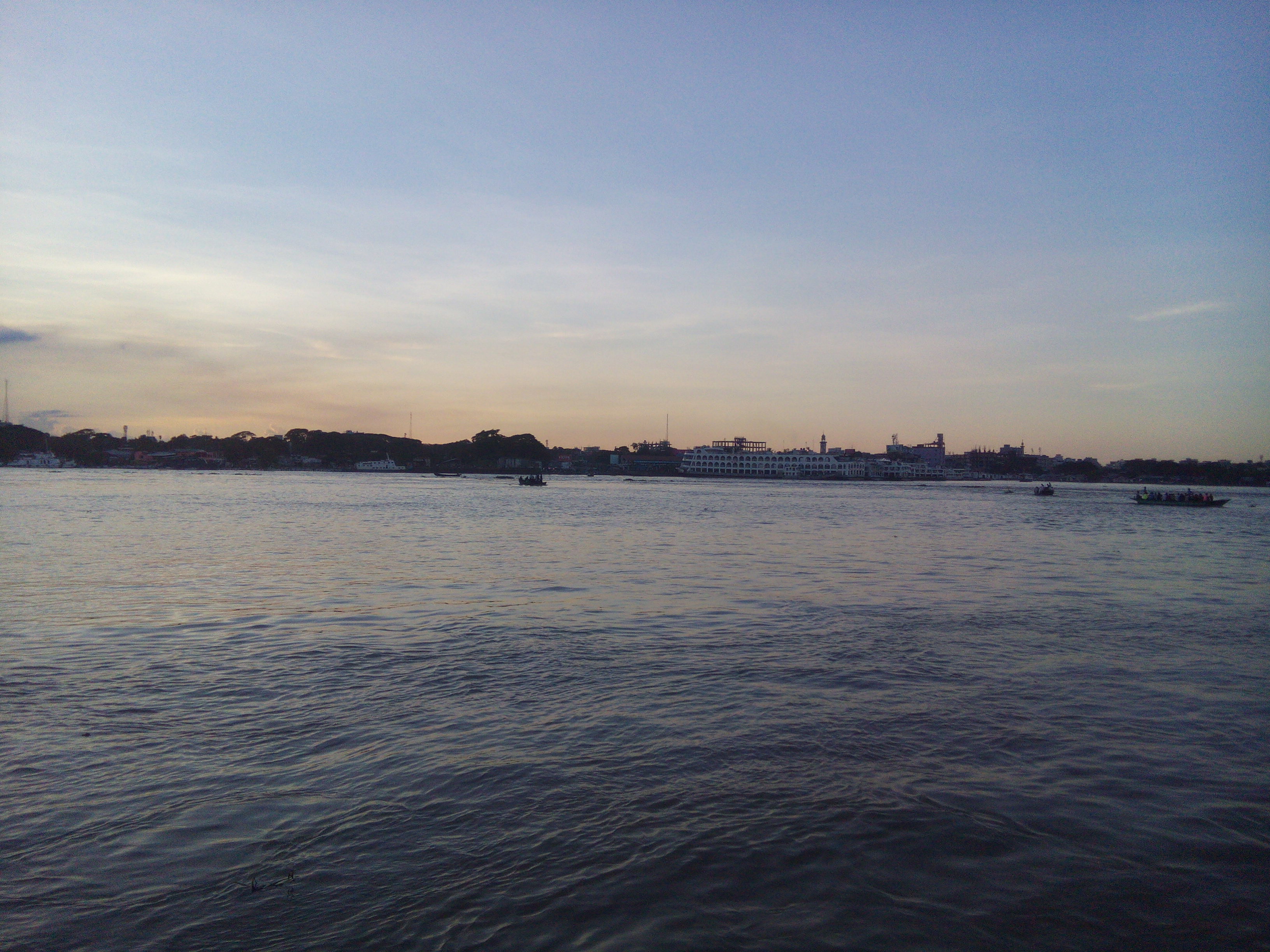
On 29 May 2026, the day after Eid ul-Adha, people and madrasa staff who brought Qurbani animal hides to Port Road in Barishal city left angry. Jagonews24's Barishal correspondent reported that traders would not pay more than Tk 300 for a cowhide, and goatskins had to be handed over almost free. Many, unable to get a fair price, left their hides with the traders and walked away.
Eid ul-Adha fell on Thursday, 28 May. From that afternoon, hides arrived on Port Road by van, rickshaw and auto-rickshaw from across the city. The traders said they were in deep trouble themselves, because tannery owners still owed them about 80 per cent of the previous year's money.
Official rates versus street prices
Two weeks before Eid, on 13 May, Commerce Minister Khandkar Abdul Muktadir announced the 2026 hide prices at a briefing at the Secretariat. According to The Daily Ittefaq, salted cowhide was set at Tk 62 to 67 per square foot in Dhaka and Tk 57 to 62 outside Dhaka, up from Tk 60 to 65 and Tk 55 to 60 the year before. Goatskin (khasi) was set at Tk 25 to 30 per square foot nationwide and she-goat (bakri) skin at Tk 22 to 25. About Tk 200 crore was allocated for salt supplied through district and upazila administrations and for training meat vendors and madrasa workers in preserving hides.
Official rates are per square foot of salted hide, while raw hides sell by the piece. Even Dhaka missed the official rates: The Daily Star Bangla reported that on Eid day raw hides in Dhaka sold for Tk 500 to 650, against Tk 700 to 800 the year before.
Maulana Sohag Gazi, a teacher at a madrasa on Dhan Gobeshona Road, told Jagonews24: "Our madrasa had decided not to collect hides this time. Later we went out to collect them on the commerce minister's assurance. He said cowhide could be sold at Tk 60 to 65 per foot. But in reality the traders don't want to pay more than Tk 300 for a cowhide."
Madrasa boardings lose income
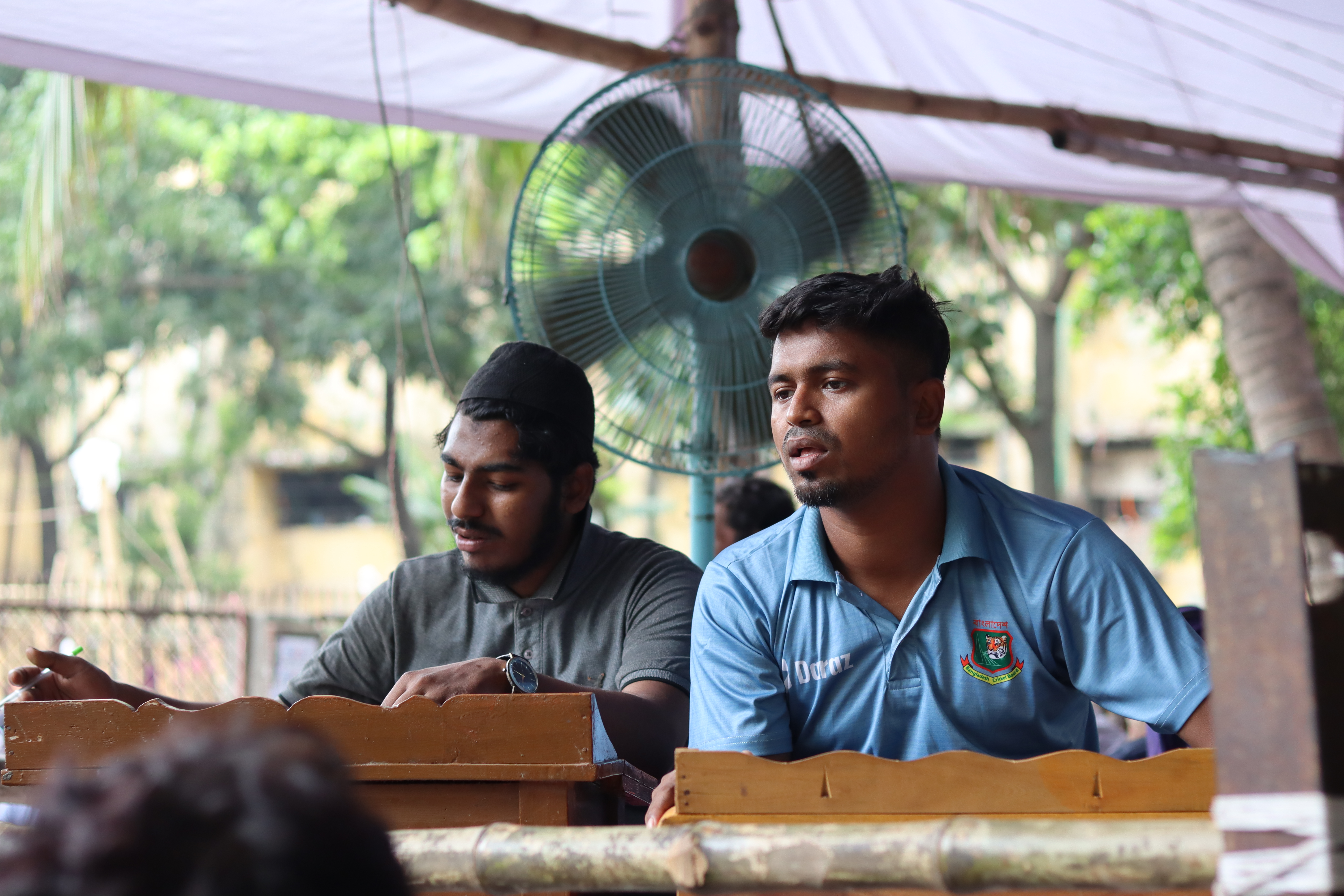
Money from Qurbani hides helps many madrasas and lillah boardings meet their students' costs. Kudrat Ali of Khaja Lillah Boarding in the Bottola area said: "If after working all day we have to sell a hide for Tk 300, there is no end to our hardship. Each of our students costs Tk 200 to 250. What is left for the boarding? It doesn't even cover the transport."
Abul Hossain of the Muslim Graveyard Lillah Boarding told Jagonews24: "Generous people give us hides. We had heard beforehand that prices would be low this time, but we didn't realise they would be this low. Goatskins have to be given away almost free along with the cowhides."
Unpaid tannery dues thin out the traders
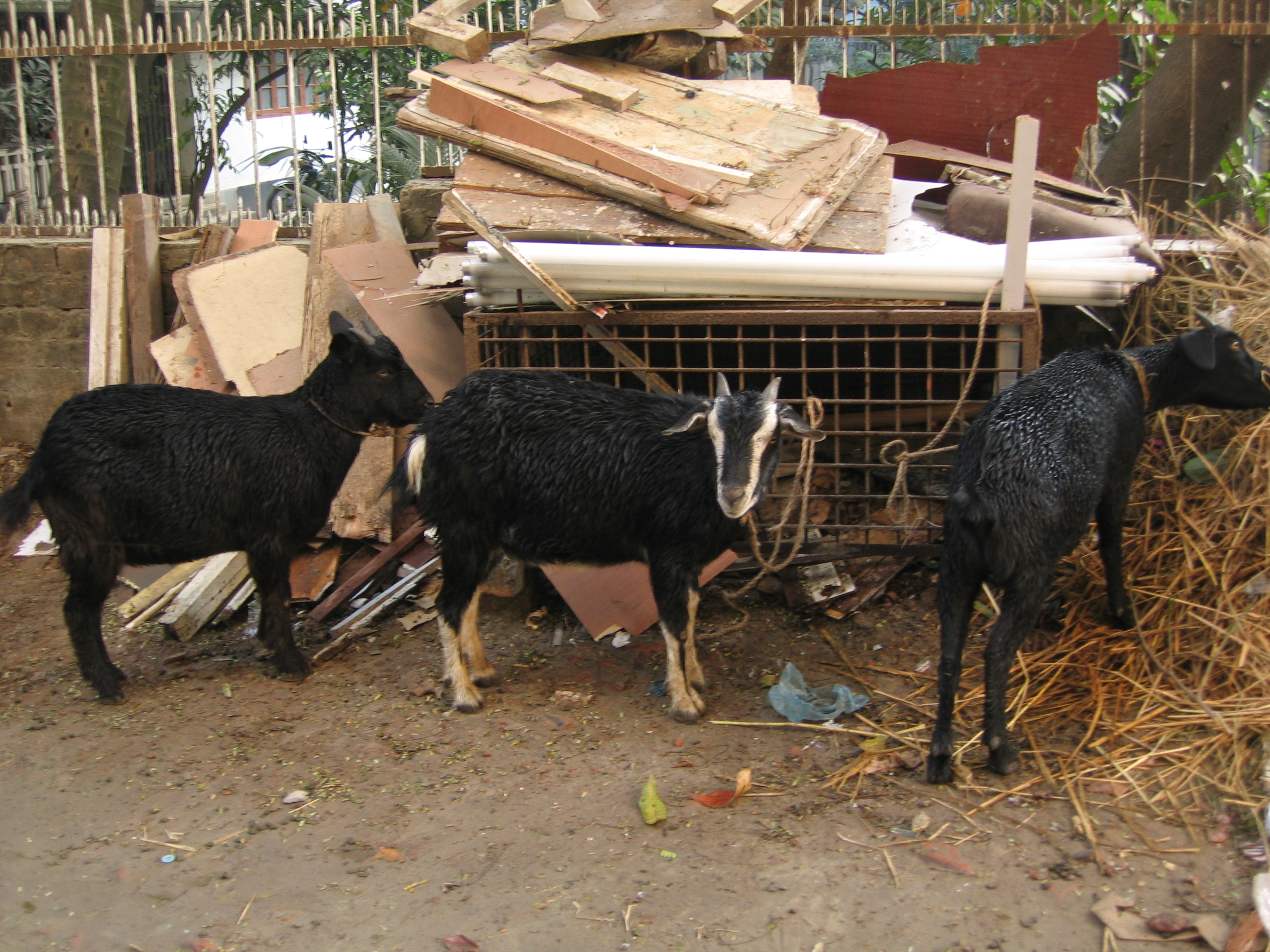
Port Road hide trader Mohammad Nasir said: "We have received only 20 to 25 per cent of last year's money, so the business is close to shutting down. If seven hides come in, I keep one and turn away the other six. I am buying cowhides at Tk 300 to 450, and goatskins have no price at all. These hides will be sent to Dhaka after 20 to 30 days." He said Barishal once had 150 to 200 hide traders; by then there were at most 10 to 15.
Seasonal traders in Dhaka told The Daily Star Bangla that although the government had raised prices, they had no assurance that tannery owners would buy at those rates.
Washed in the Kirtankhola, salted in Rasulpur
Hides collected on Port Road were taken to Balurghat and washed in the Kirtankhola river, then carried by trawler to Rasulpur, where workers were processing them with salt. The Kirtankhola flows past Barishal city, and the Barishal river port stands on its bank.
Hide-processing worker Abu Bakkar said: "The hide market has been like this for the last four or five years. Every year there are fewer traders and less work for us. People bring lots of hides, but the traders don't want to buy. And what would they do even if they bought them? The tannery owners don't pay."
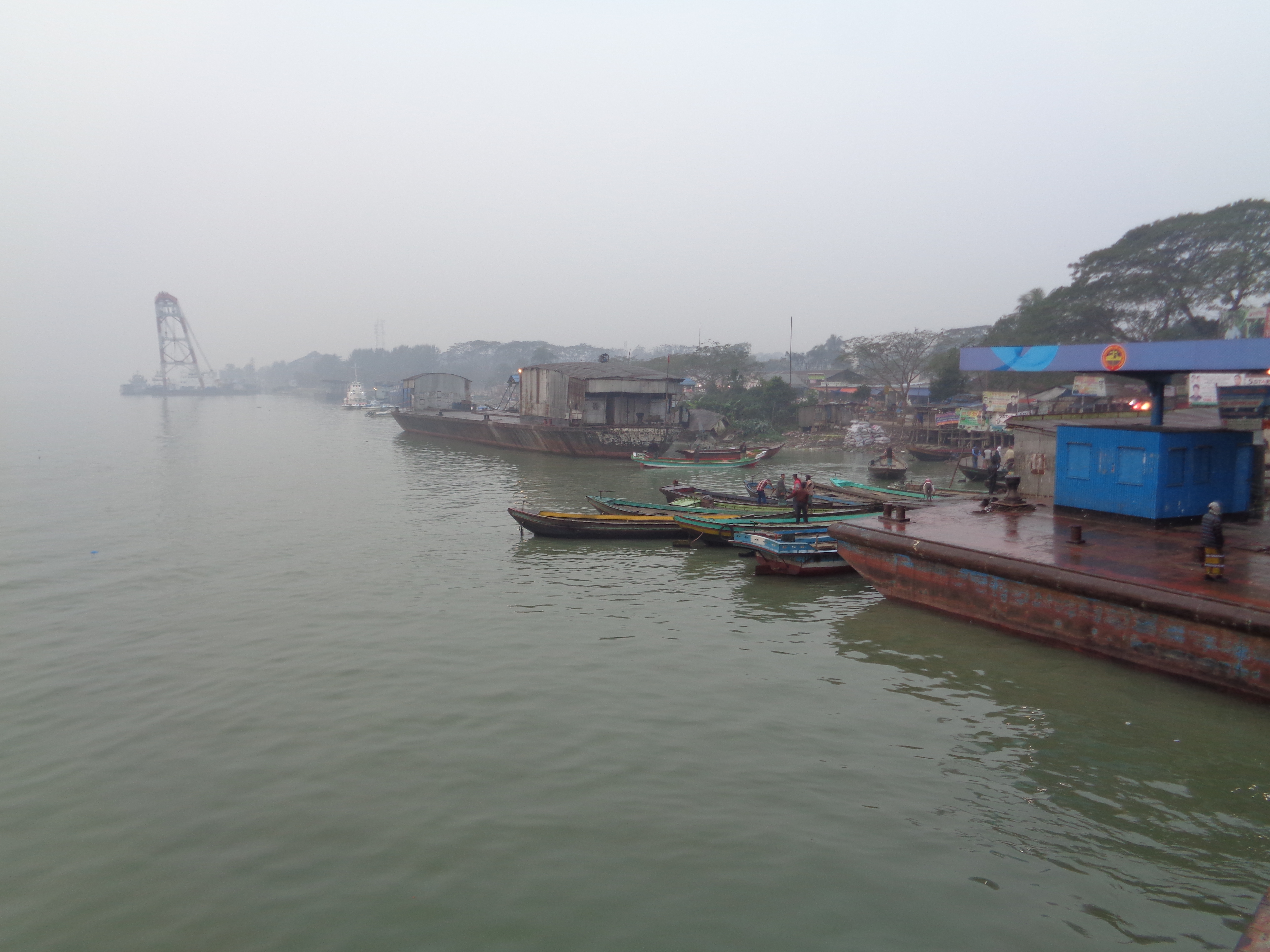
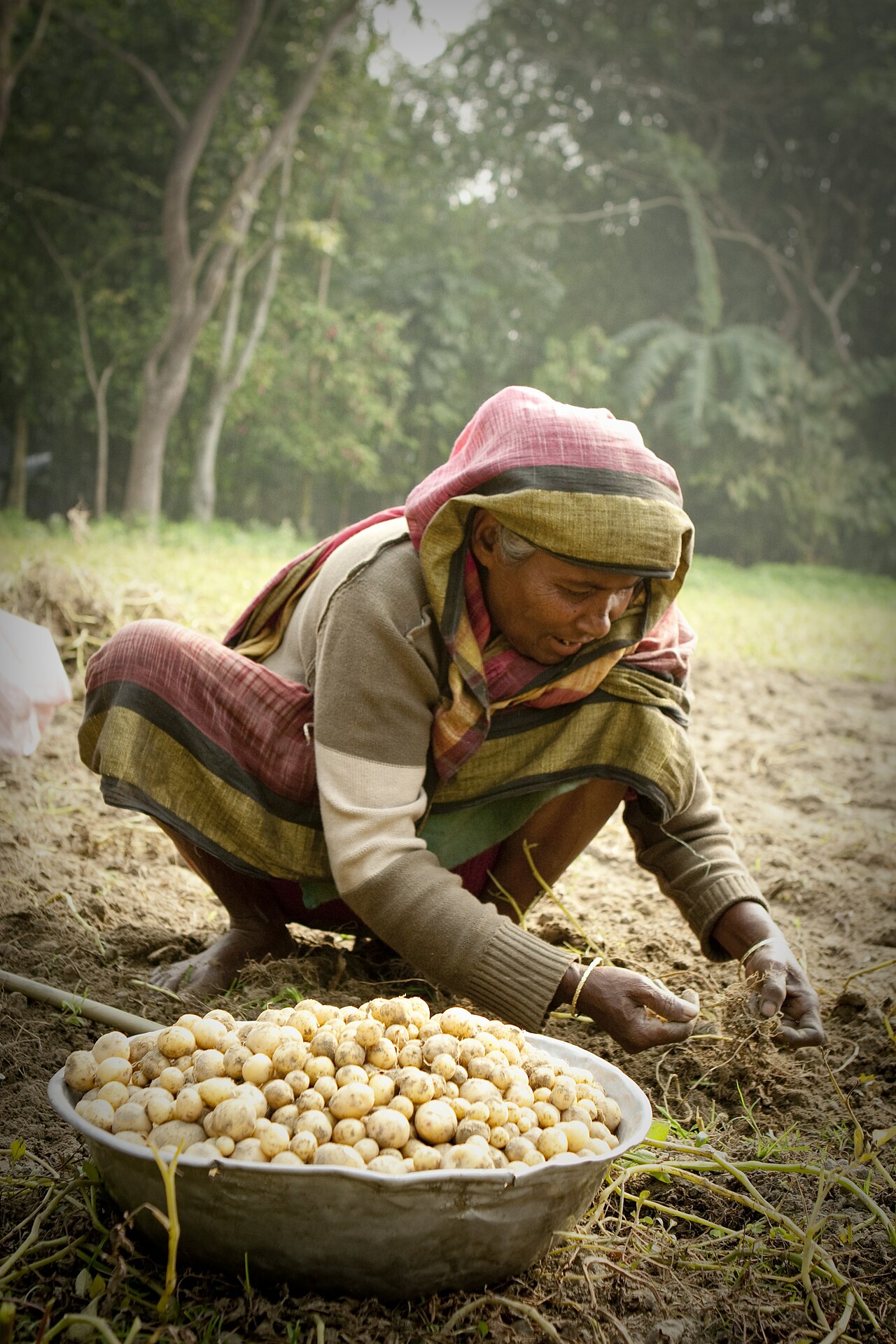
Photo: Shahadat Sayem / Wikimedia Commons (CC BY-SA 4.0)
Sources: Jagonews24, The Daily Ittefaq, The Daily Star Bangla, Wikipedia
Comments
(0)