
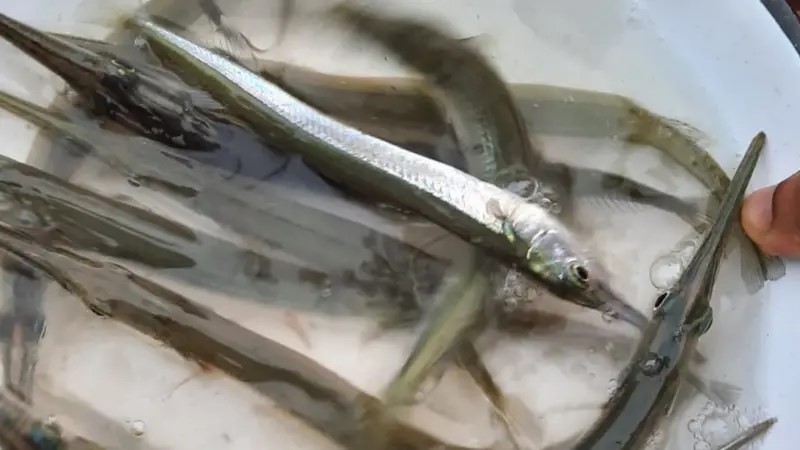
Although a number of small fish species in Bangladesh have become endangered over the past few decades, total production of these fish has risen significantly. This has been possible because of the steady success of fisheries scientists' research.
Through artificial breeding, scientists at the fisheries research institute are saving 31 such open-water fish from the threat of extinction. As a result, these nutritious fish can now also be farmed easily in ponds.
Endangered species
Bangladesh has 260 species of freshwater fish, of which 143 are small fish. Fish under nine centimetres in size are considered small fish, or small indigenous species (SIS).
The International Union for Conservation of Nature (IUCN), an international organisation working on environmental conservation, has already listed 64 fish species in Bangladesh as endangered.
They include the mahashol, kharki, pipla shol, kala pabda and bagh mach, among others. For this reason the government has drawn up a plan to protect several of these threatened fish by 2030.
Output up more than fourfold
The report also says fisheries scientists have saved 30 fish from extinction through artificial breeding over the past few years. They include shing, magur, puti, baim, tengra, foli, batasi, dhela, boirali, gutum and kholisha.
According to the fisheries research institute's statistics, small fish production in Bangladesh has grown more than fourfold in the past decade. Output was 67,000 metric tonnes in 2009, against about 250,000 metric tonnes in 2018.
Source: BBC Bangla. First published in Bengali on The Agro News.

Comments
(0)