
The government plans to restart three closed state fertiliser factories by November to raise domestic output and cut reliance on imports. The Bangladesh Chemical Industries Corporation (BCIC) also aims to lift annual fertiliser production to 2.7 million tonnes within three to five years by modernising existing plants, raising capacity and building new ones, BSS reports.
Four of BCIC's seven fertiliser factories are running. Idle for want of gas and raw materials are TSP Complex Ltd and DAP Fertilizer Company Ltd in Chattogram, and Ashuganj Fertilizer and Chemical Company Ltd in Brahmanbaria. Ashuganj needs an uninterrupted gas supply at the required pressure; the TSP complex is stopped by a shortage of phosphoric acid and a shut sulphuric acid plant, and the DAP factory by the phosphoric acid shortage.
BCIC figures show state factories produced 1,100,732.50 tonnes of urea, 68,259 tonnes of TSP and 82,142 tonnes of DAP in the 2025-26 fiscal year. Urea demand that year was 2.6 million tonnes, so domestic output met about 42.34 percent; for TSP and DAP the domestic share was about 9.10 and 5.53 percent.
BCIC chairman Md Babul Mia said Bangladesh imported 1.644 million tonnes of urea in 2024-25 and 1.479 million tonnes in 2025-26. The government is working to save Tk 22,000 crore on urea imports by running all the factories, he said, and he is hopeful the three plants can restart by November if gas and raw materials arrive.
BCIC is in regular contact with the Energy and Mineral Resources Division, Petrobangla, Gas Transmission Company Ltd (GTCL) and the distribution companies, and says the gas supplier has promised supply soon. The longer-term plan includes modernising old technology, new urea and TSP factories, and upgrading Chittagong Urea Fertilizer Ltd.
People involved say restarting the plants is not enough: steady gas and raw materials, regular maintenance and reliable operations would ease the import burden and help fertiliser reach farmers on time.
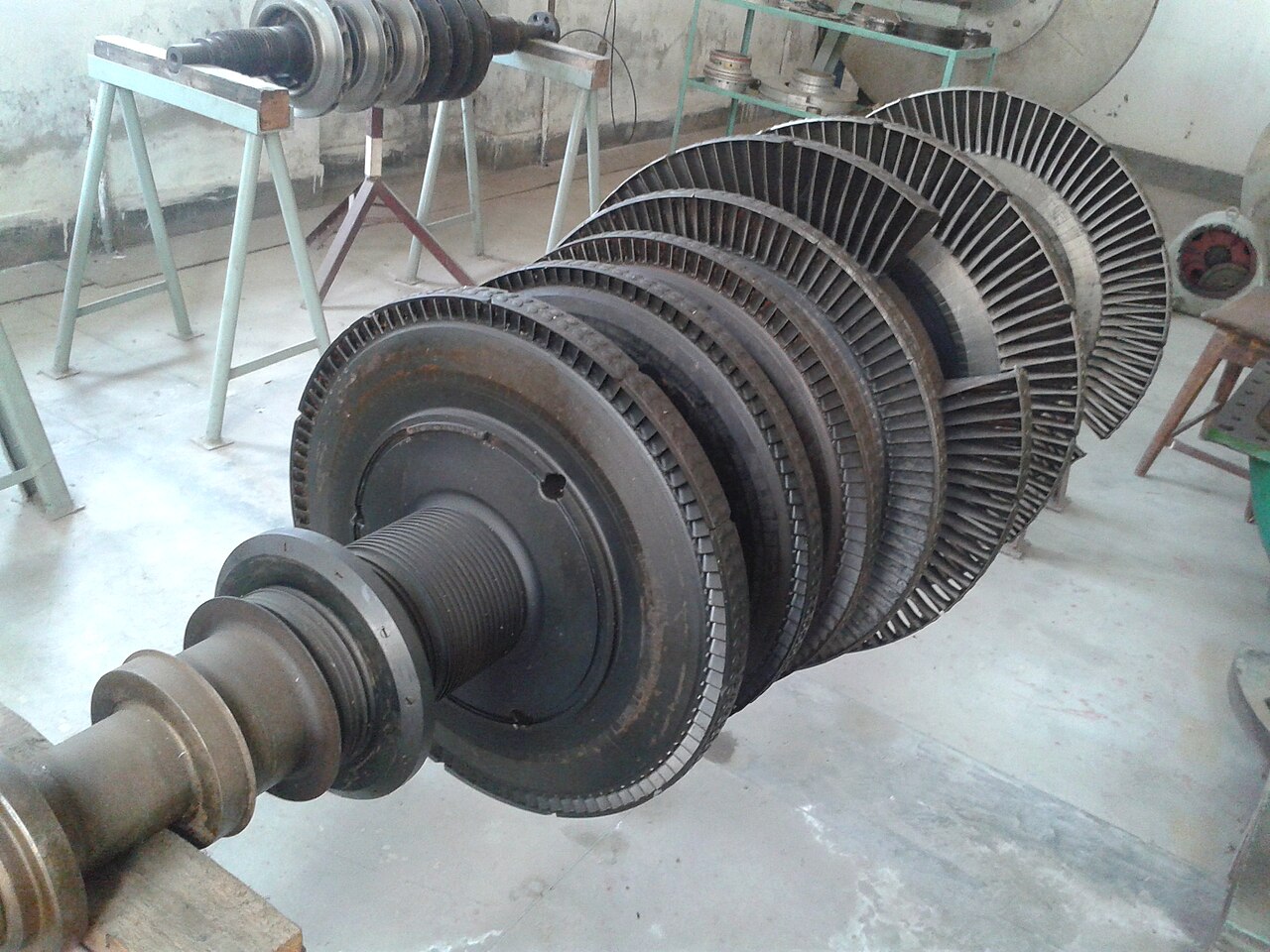
Photo: steam turbine at the Palash urea fertiliser factory (file), Rahat / Wikimedia Commons (CC BY-SA 3.0)
Source: BSS


Comments
(0)