
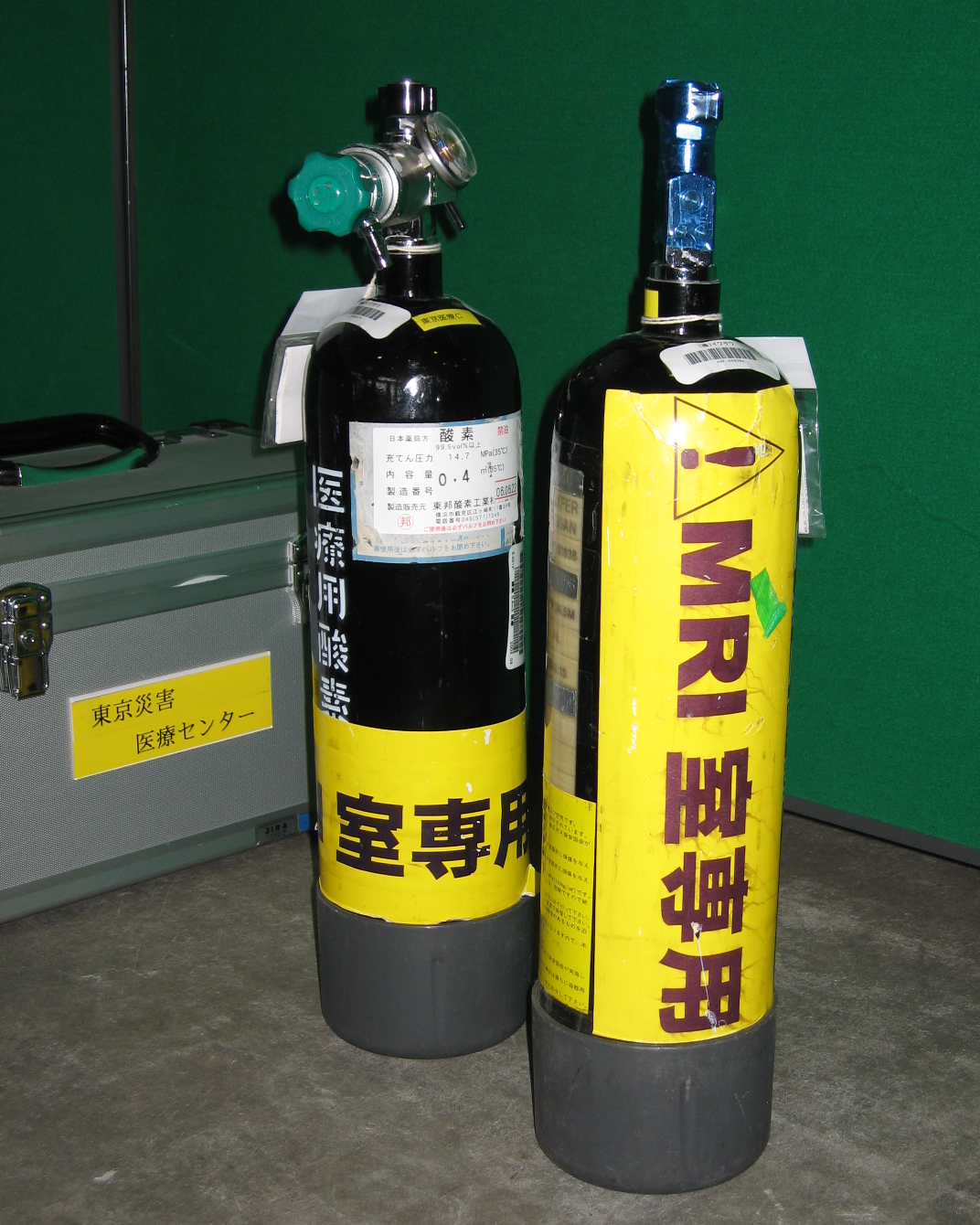
Only 9 of the 70 medical oxygen plants installed in public hospitals through the Central Medical Stores Depot (CMSD) supply patients regularly. Thirty-one are broken and another 30, though working, are not run round the clock. The figures were presented on Saturday at the Bangladesh Oxygen Summit 2026, which opened at Independent University, Bangladesh (IUB).
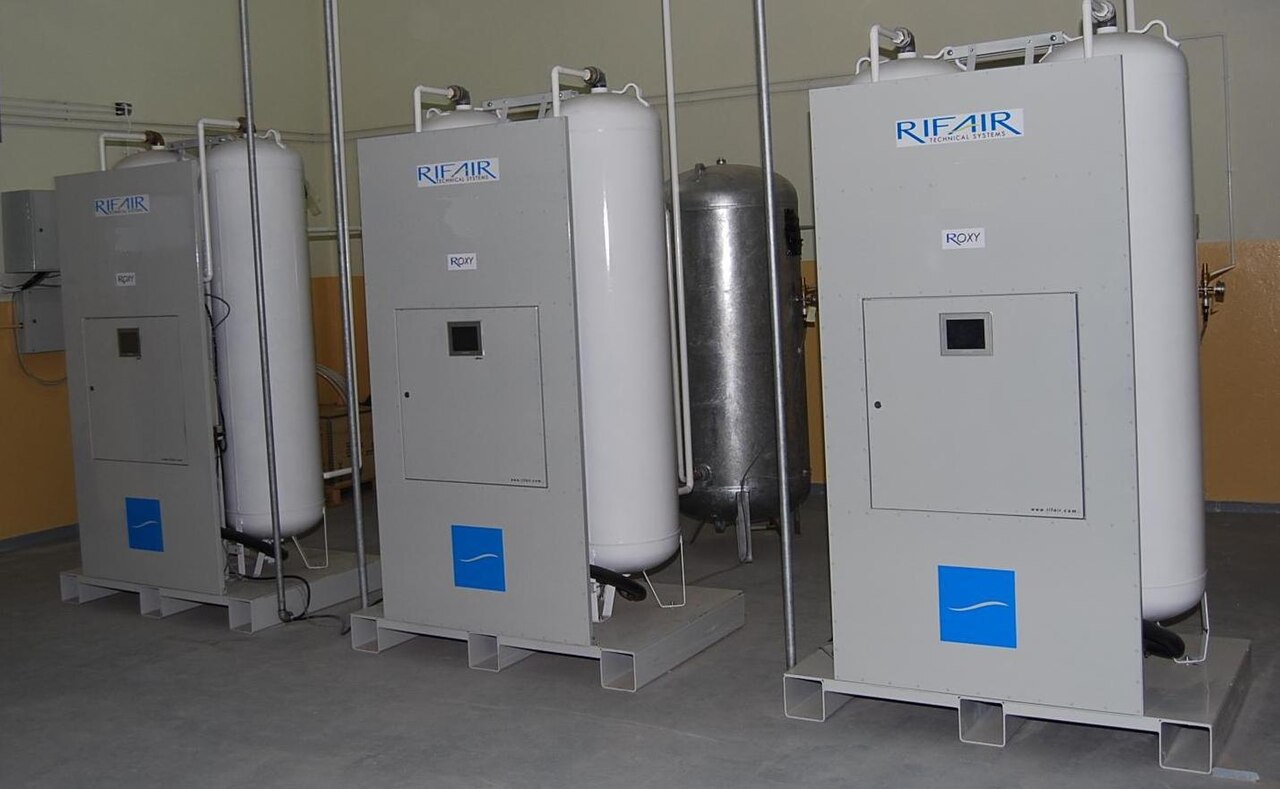
Maruf Hasan, senior analyst at the UN Office for Project Services (UNOPS) in Bangladesh, said 99 PSA and VSA oxygen plants have been installed in 64 district hospitals, 28 specialised hospitals and seven upazila health complexes at a cost of Tk 241 crore. Of these, 40 were paid for by the government and 30 with an Asian Development Bank loan, both through the CMSD; all 29 that UNOPS built directly with Global Fund money are working.
Seven CMSD plants are still not connected to their hospital's central oxygen pipeline, the assessment said. With no permanent budget or trained technicians, many hospitals have ordinary staff run the plants, so they work only a few hours a day, and without maintenance the purity of the oxygen can fall below medical grade.
Dr Ahmed Ehsanur Rahman, co-chair of the Lancet Global Health Commission on Medical Oxygen Security, said about 7.5 million people in Bangladesh need emergency oxygen each year: some 5.4 million for surgery, 1.9 million with acute breathing difficulty and about 200,000 more with long-term illness. Seventy percent do not get it properly when needed. Oxygen is vital in treating pneumonia, heart disease, road injuries, sepsis, newborn complications and dengue, and studies show hospital patients with low blood oxygen are five times as likely to die.
Speakers warned that the grant paying technicians at the 29 UNOPS plants ended on 30 September and their maintenance contracts end on 31 December. Unless the government takes on staffing and maintenance in its own budget and repairs the idle plants, they said, hospital oxygen supply could face a serious crisis. Alamgir Hossain, director general of the Directorate General of Drug Administration, called for coordinated management to guarantee oxygen quality and for the regulator to be involved from the start of every project.
The two-day summit is organised by IUB, the Bangladesh Oxygen Network and IUB's Centre for Health Implementation and Policy Sciences. The report is from Samakal.
Photo: Vantey / Wikimedia Commons (CC BY-SA 3.0)
Source: Samakal

Comments
(0)