
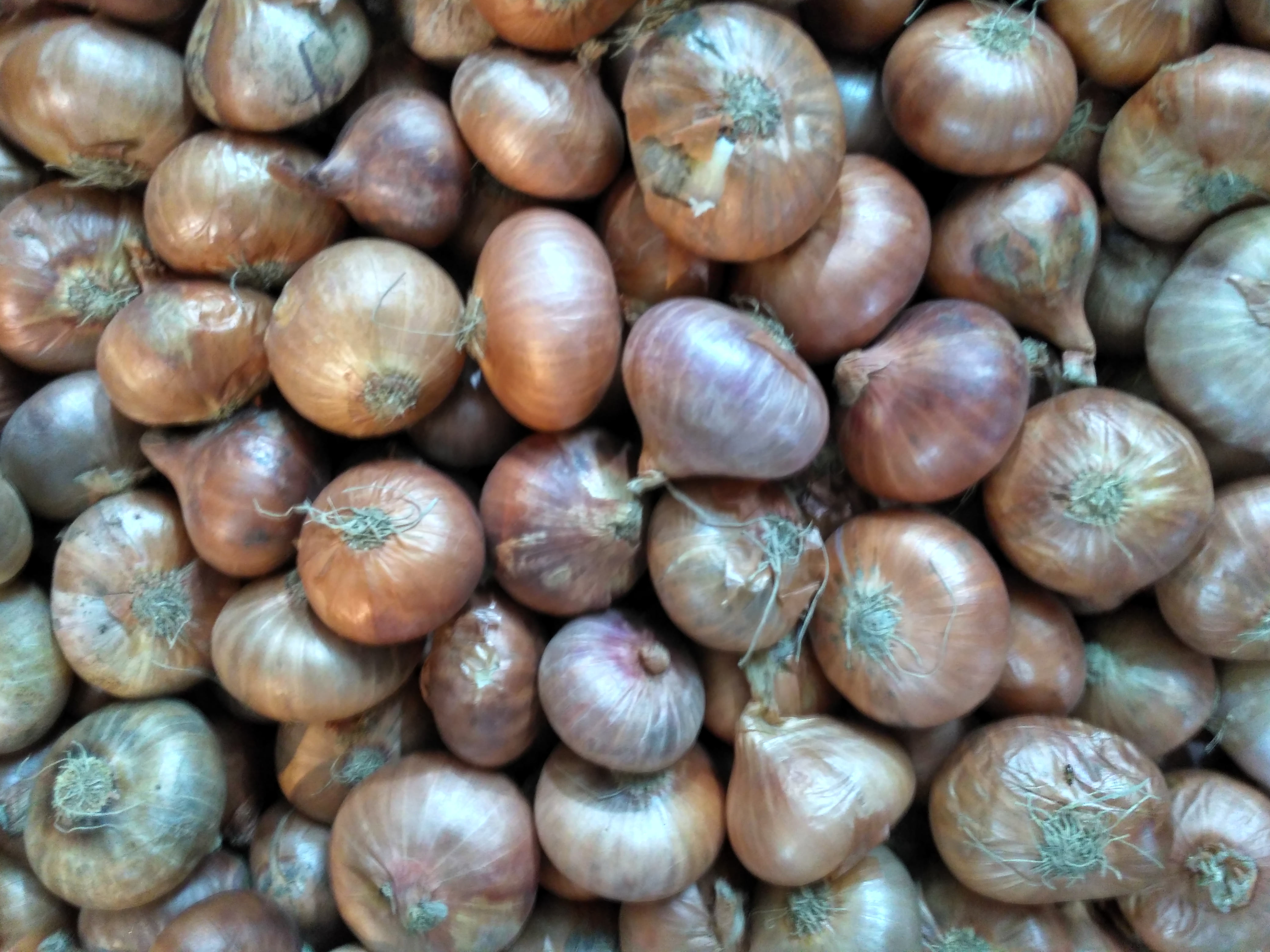
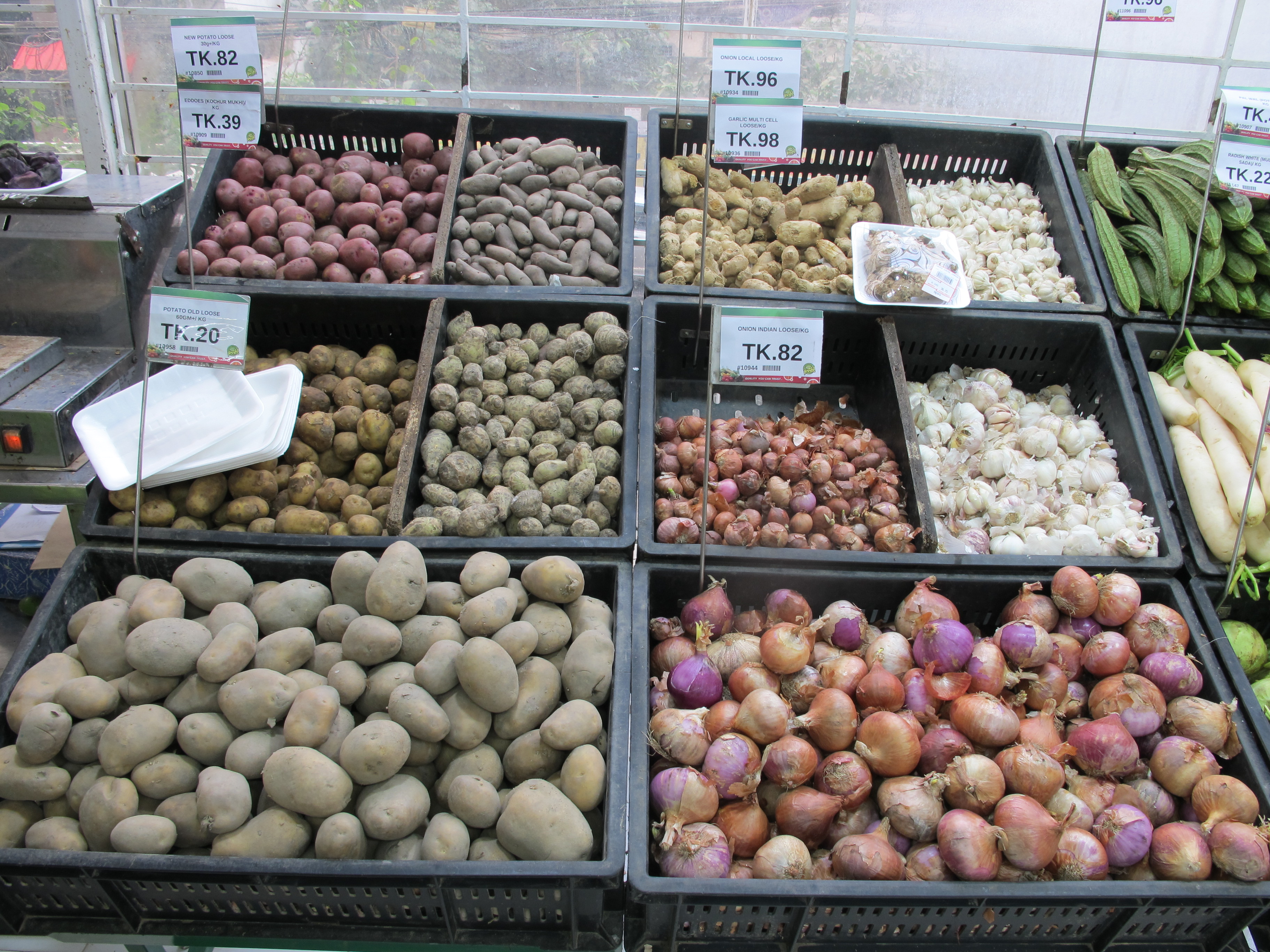
Onions were selling at Tk 240 to 250 a kilogram in Dhaka markets on Saturday, 16 November 2019, BBC Bangla reported that day. In August the same onions had cost Tk 70 to 80. After India stopped onion exports on 29 September, the price jumped at once to Tk 120 to 150 and kept climbing. Experts said that unless Bangladesh grew enough onions at home, such a crisis could return at any time.
Dhaka resident Salma Akter told BBC Bangla she had cut back: her family of five used to need three kilograms of onions a week, and she was now buying one to one and a half kilograms.
India's export ban and Bangladesh's dependence on imports
India's Ministry of Commerce and Industry banned exports of all varieties of onion on 29 September 2019. Business Today reported that day that excess monsoon rain in the main growing states had delayed harvests, that retail prices had reached Rs 70 to 80 a kilogram in Delhi and Mumbai, and that onion export policy was changed "from free to prohibited till further orders".
Citing the Trading Corporation of Bangladesh (TCB), BBC Bangla said the country produced 17 to 19 lakh tonnes of onions a year, 60 percent of total demand. The remaining 40 percent, 7 to 11 lakh tonnes, was imported, 95 percent of it from India and the rest from Myanmar, Egypt and Turkey. Because onions perish quickly, importers favoured a nearby country with lower transport costs. The Daily Star reported on 1 October 2019 that about 11 lakh tonnes were imported every year to meet demand of about 24 lakh tonnes. Imports from other countries began after the ban, but by mid-November prices had risen rather than fallen.
Why farmers hold back from onions
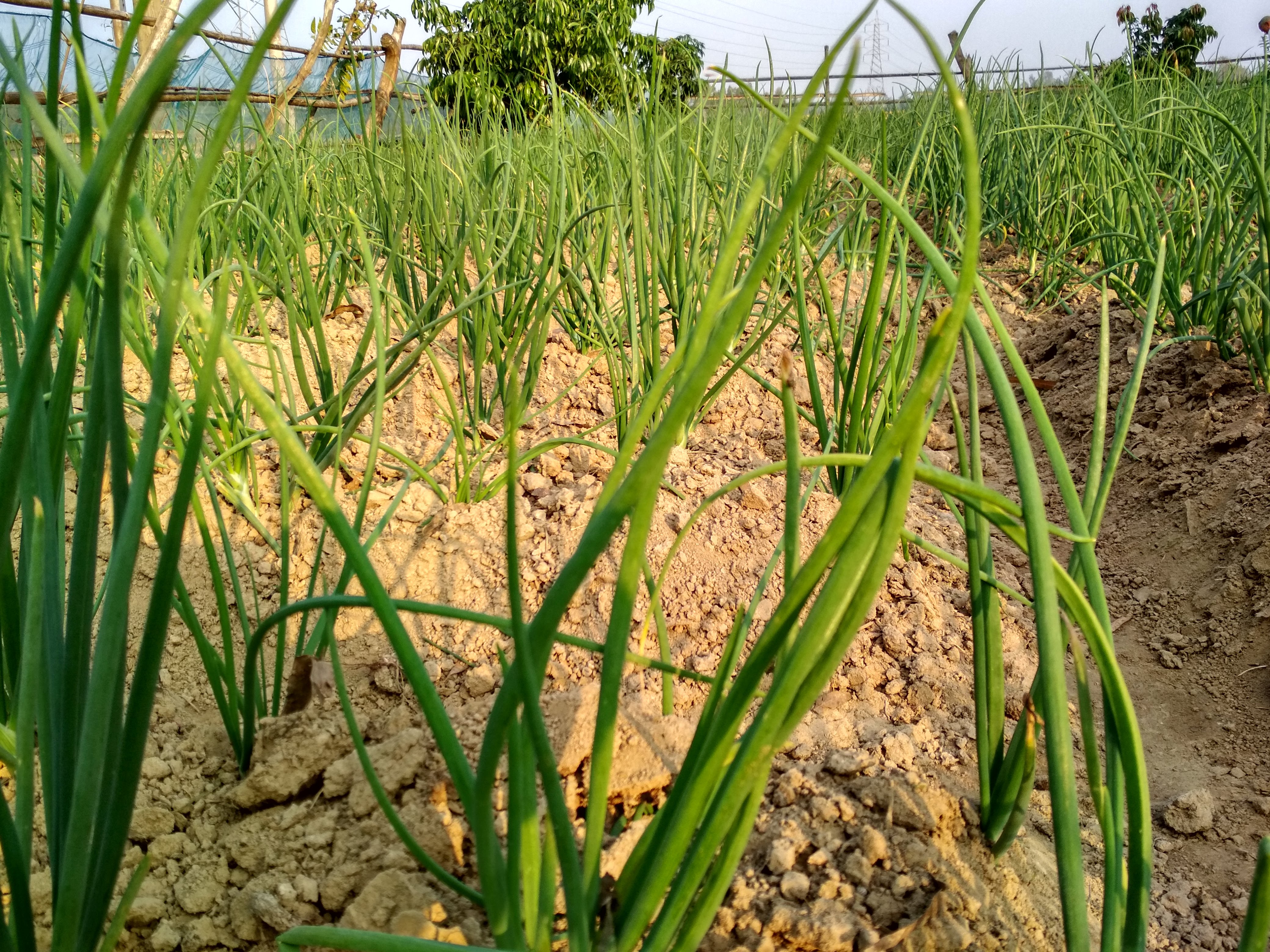
Professor Dr Mohammad Zahiruddin of Bangladesh Agricultural University told BBC Bangla that while the country needed more onions, farmers faced several obstacles. Rice was relatively more profitable, so farmers were less keen on onions. Onion land is also used for other crops, so the crop competes for space, and farmland cannot simply be expanded. He said onions do best on medium-high and medium-low land, giving good yields in the north-western districts, but not on the high or very low land of Sylhet or Chattogram, where water may stand in the fields.
Winter is the natural onion season. Newer varieties can be grown in summer, but those onions do not keep long, and rain that waterlogs fields ruins the crop. The government's agro-meteorological portal BAMIS likewise notes that onion cannot tolerate waterlogging and lists varieties from BARI Piaz-1 to BARI Piaz-5 for the rabi and kharif seasons. Rajshahi farmer Aslam Hossain told BBC Bangla that onions earned less than rice and that a little rain could flood a field and rot the crop, causing heavy losses.
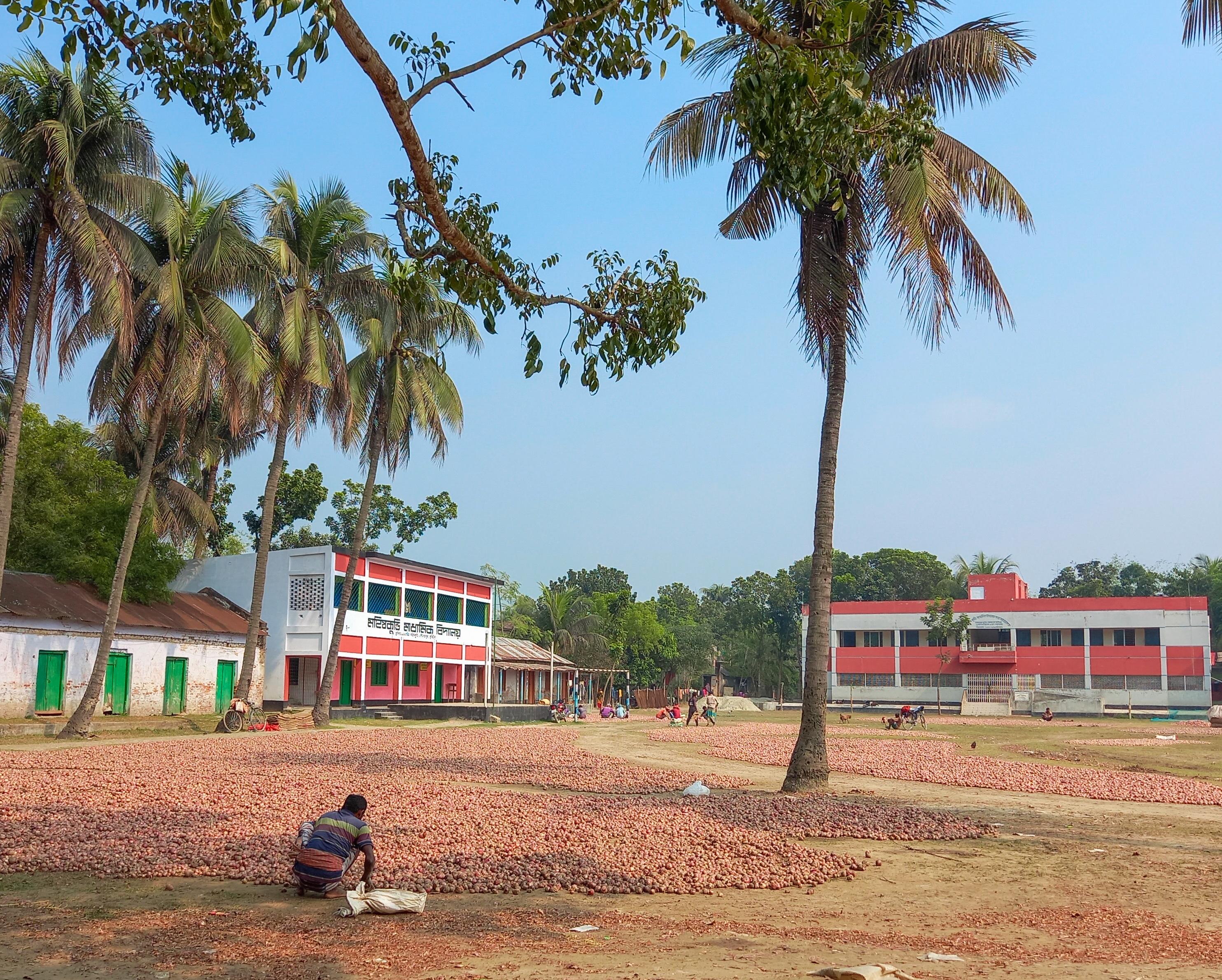
Storage is another problem. Professor Zahiruddin said onions cannot be kept in potato cold stores: they need 60 percent humidity and a temperature of 8 to 12 degrees Celsius, and the country had too few suitable stores.
Market monitoring and ways out of the crisis
Dr Md Kismatul Ahsan, who teaches economics at Dhaka University, argued that a country need not be self-sufficient in every crop and that a sudden shortage called for closer market monitoring rather than a push for production. Authorities, he said, had to find out whether prices rose because of a supply and demand imbalance or because traders and middlemen had created an artificial crisis. He added that the government should have acted early, since ordering and shipping onions from other countries takes time.
Agriculture Minister Dr Md Abdur Razzaque told BBC Bangla that the government never imagined India would suddenly stop supplies, but that it should have anticipated it. He said the government would try to raise production somewhat, that cold storage would make onions far dearer than imports from India, and that rain before the season had hurt that year's crop.
Professor Zahiruddin said developing faster, higher-yielding varieties or importing high-yielding seed suited to Bangladesh's climate could ease the problem, and urged people to use less onion in the meantime. Dr Ahsan said proper government monitoring, and traders giving up the pursuit of excess profit, could prevent such crises.
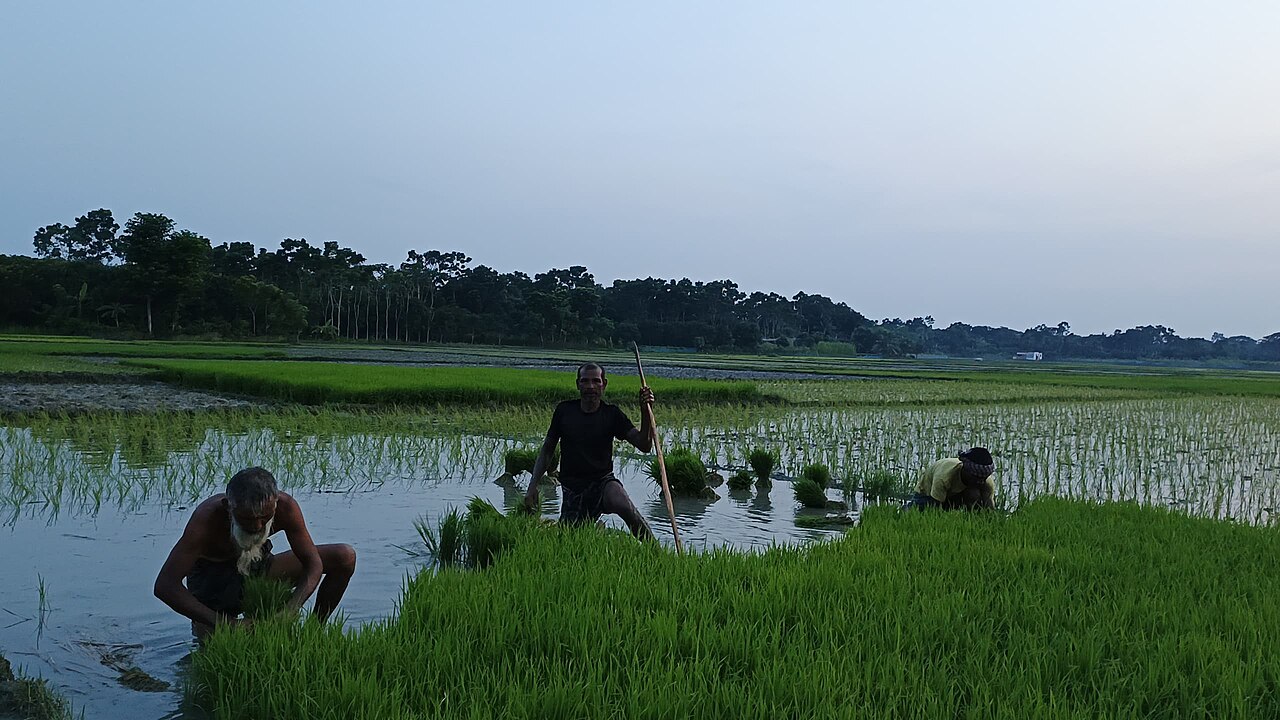
Photo: Salim_Khandoker / Wikimedia Commons (CC BY-SA 3.0)
Sources: BBC Bangla, The Daily Star, Business Today, Bangladesh Agro-Meteorological Information System (BAMIS)


Comments
(0)