
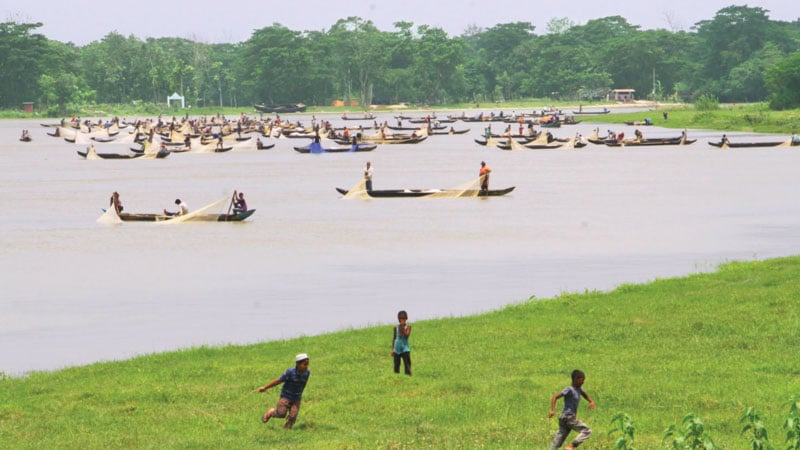
The government has completed its bid to have the Halda River declared a biosphere reserve, sending the nomination dossier to the international committee of UNESCO's Man and the Biosphere (MAB) programme. The Halda, in Chattogram, is Bangladesh's only natural fish spawning ground, and the aim is to pair conservation of its biodiversity with sustainable development for the people on both banks.
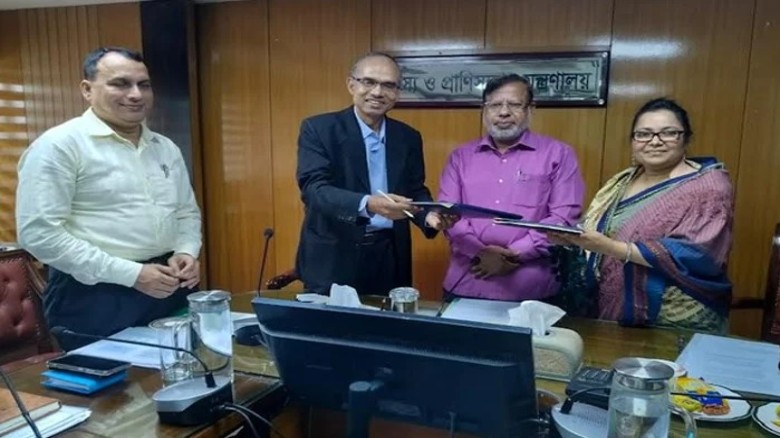
Bangladesh's 18-member national MAB committee, chaired by the secretary of the environment and forests ministry, provisionally designated the river a reserve and forwarded the papers for final approval. The decision to submit the dossier was taken at the 38th session of MAB's International Co-ordinating Council in Paraguay on 3-6 June; the Department of Environment prepared the bid, and on 31 August a meeting chaired by acting secretary Dr Fahmida Khanam gave the national committee's approval.
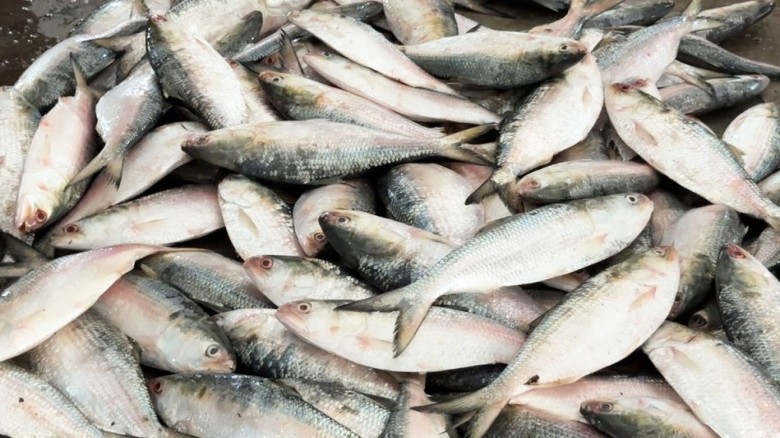
The committee's case rests on the Halda being Asia's only tidal river where carp spawn naturally, on its rare and endangered fish, dolphins and other aquatic life, and on the livelihoods and culture of more than a hundred thousand people along its banks. Recognition, it argues, would support sustainable local livelihoods, bring international research support for the ecosystem and make the river a centre for fisheries science and environmental education.
The proposal takes the Hazarikhil Wildlife Sanctuary in the Halda basin as the core area (2,709 hectares, 2,514 residents), the river channel and a 300-metre strip on either bank as the buffer zone (10,588 hectares, 123,835 people) and the rest of the basin as the transition zone (159,606 hectares, 1,166,614 permanent residents). The main river through Chattogram, Khagrachhari and Rangamati, its hill streams, tributaries and connected canals are all included, with commitments to protect and restore a 20-metre vegetation belt on the banks, to map land use including industrial pollution sources, and to fund reliable research.
The MAB programme currently lists 797 biosphere reserves in 145 countries. Dr Fahmida Khanam said the national committee had given its approval, all the groundwork was done and the ministry hoped for the international committee's decision soon.
Tayan Kumar Tripura, executive engineer of the Water Development Board's Rangamati circle, welcomed the conservation effort but warned that reserve status could sharpen conflicts between people and environment over bank erosion, tides and floods on both sides of the river, and could all but halt development works such as sluice gates. The Halda's carp eggs and fry underpin the country's hatcheries and pond farming, so the decision matters to fish farmers and egg collectors alike. The report is by Samakal.
Source: Samakal
Comments
(0)