
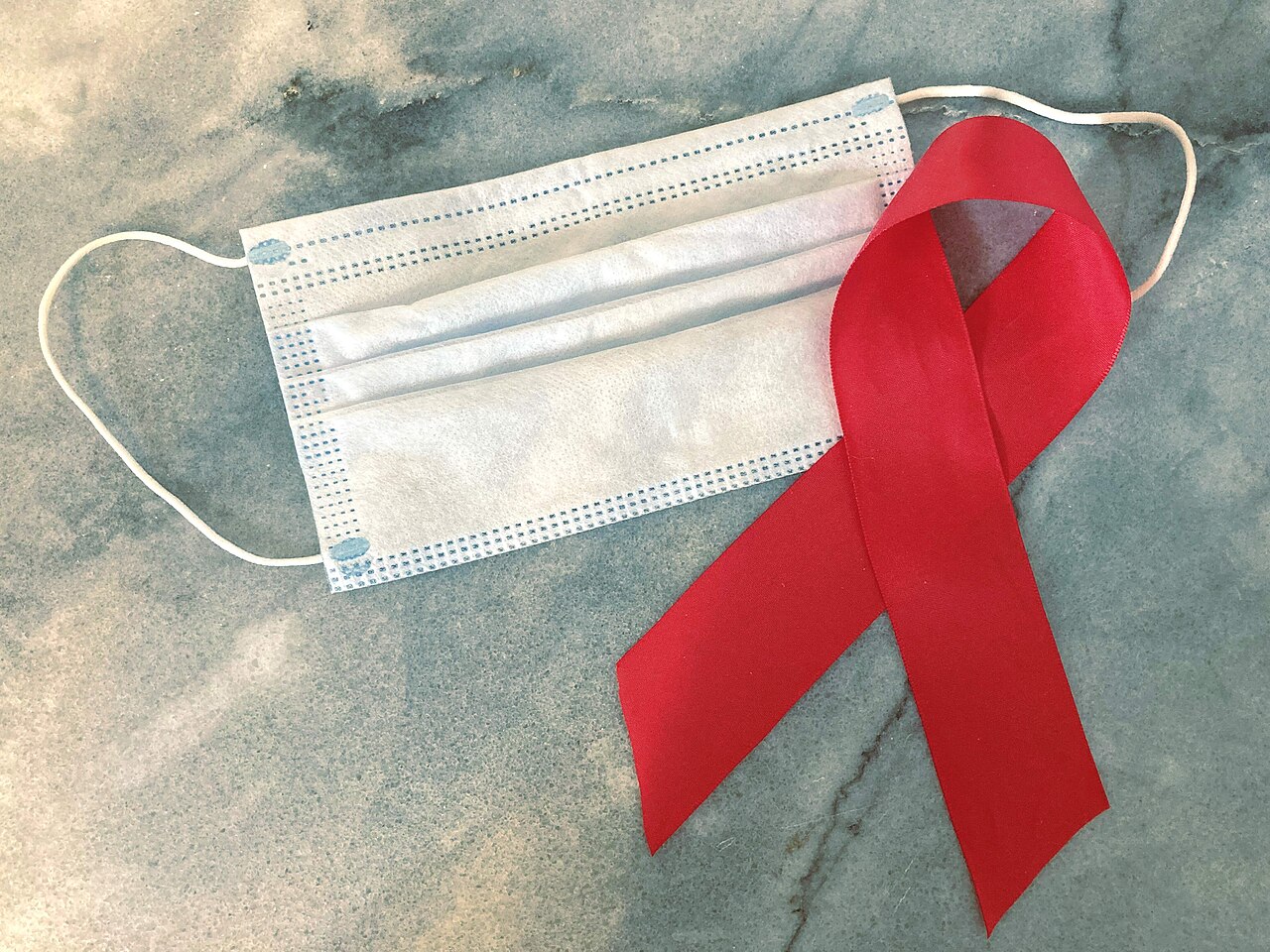
Of the 1,891 people newly diagnosed with HIV in Bangladesh in 2025, 321 were students, or 16.97 percent, according to the National AIDS/STD Control programme of the Directorate General of Health Services (DGHS), as reported by the Daily Janakantha. The share is more than double what it was in 2021.
Students made up 7.13 percent of new diagnoses in 2021 and 4.43 percent in 2022. The share then rose to 14.50 percent in 2023 and 15.50 percent in 2024.
The age figures also point to young people's risk. People aged 20 to 24 accounted for 21.05 percent of new diagnoses and those aged 15 to 19 for 4.87 percent. The largest group, 62.61 percent, was aged 25 to 49.
There are gaps in diagnosis and treatment too. An estimated 17,480 people were living with HIV in the country in 2025; 14,313 of them had been formally diagnosed and 8,579 were on antiretroviral therapy (ART). That leaves about 3,167 people undiagnosed and 5,734 diagnosed people not on treatment.
HIV testing is not equally available everywhere, especially outside the big cities, so infections are found late, the report says. Public health experts have called for stronger prevention and awareness work, with accurate information on how infection spreads and on testing and treatment given in schools, colleges and universities. There is also concern about whether young people can get tested confidentially.
Photo: NIAID / Wikimedia Commons (CC BY 2.0)
Source: Daily Janakantha
Comments
(0)