
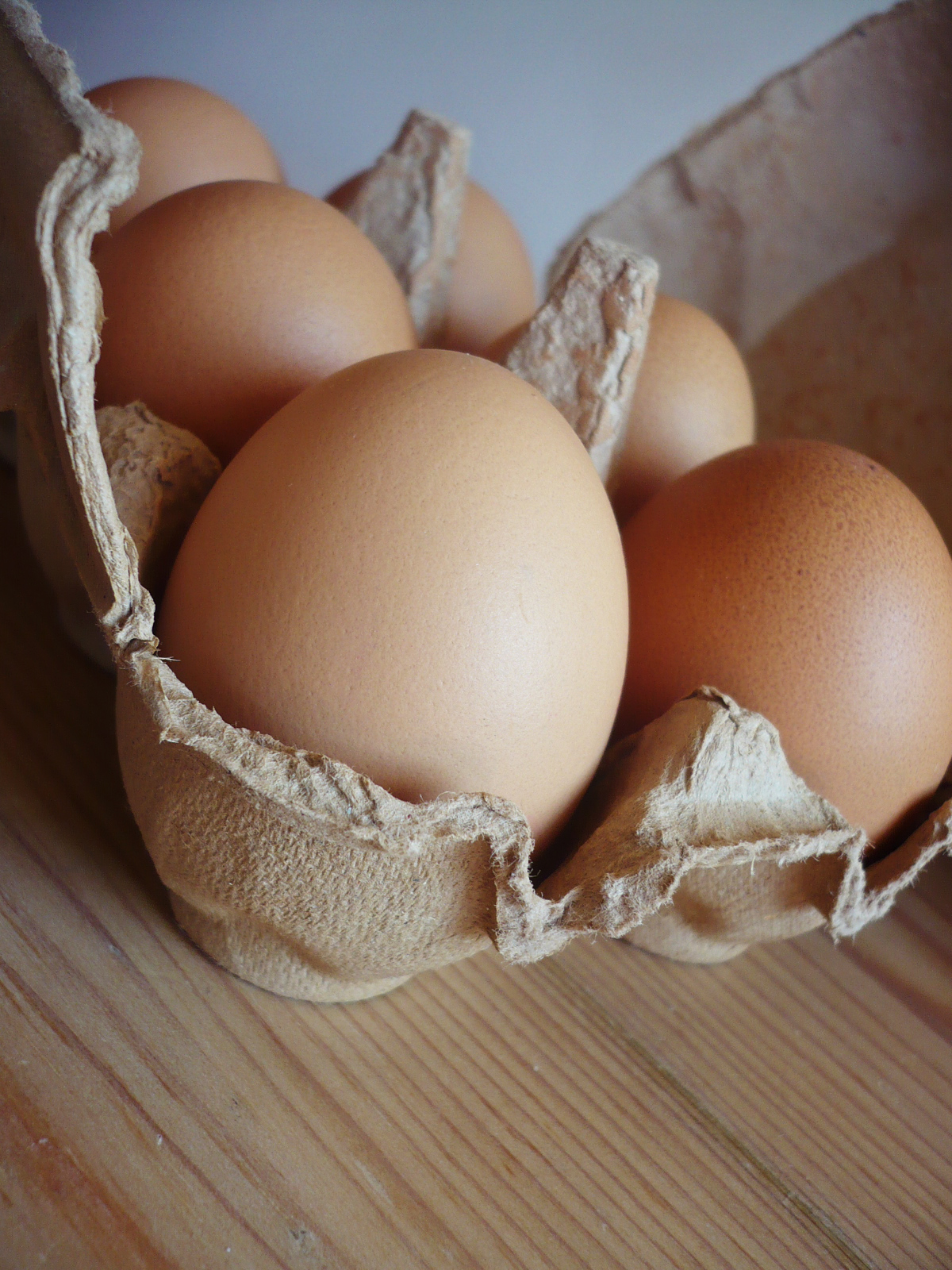
A dozen eggs now costs Tk 160 in Bangladesh, more than in neighbouring India, Pakistan or even Sri Lanka. In Dhaka's retail markets a hali (four eggs) sells for Tk 55, up Tk 5 in a month and more than 10 percent in a year. Many working-class and low-income households have halved the eggs they eat; families that ate eggs twice a day now manage once.
By the report's figures, converted to Bangladeshi taka, a dozen eggs averages about Tk 146 in India's West Bengal, Tk 116 in Islamabad and about Tk 138 in Sri Lanka. Only conflict-torn Myanmar is dearer, at Tk 492. Leaving Myanmar aside, Bangladesh now has the highest egg prices in South Asia.
Sellers blame wholesale prices and production costs: dearer poultry feed, medicines, farm electricity and transport. Some also point to a sudden rise in demand for eggs after monsoon rain damaged vegetables. But many traders say manipulation by wholesalers and large dealers, more than any supply shortage, is the main driver.
Agricultural economist Dr Jahangir Alam said a powerful syndicate is always at work in the egg market. With production and supply increasingly dependent on a handful of large corporate firms, competition is shrinking, he said. Expanding rural family poultry farms would bring supply from many sources, break the monopoly and restore balance.
Mohammad Zahirul Islam, director general of the Directorate of National Consumer Rights Protection, said regular monitoring drives are under way at wholesale markets and depots, with fines for irregularities. But monitoring has to be kept at a level that does not push traders to halt supply and create an artificial shortage, he said.
The report is from the Dinajpur TV desk.
Photo: Gisela Francisco / Wikimedia Commons (CC BY 3.0)
Source: Dinajpur TV

Comments
(0)