
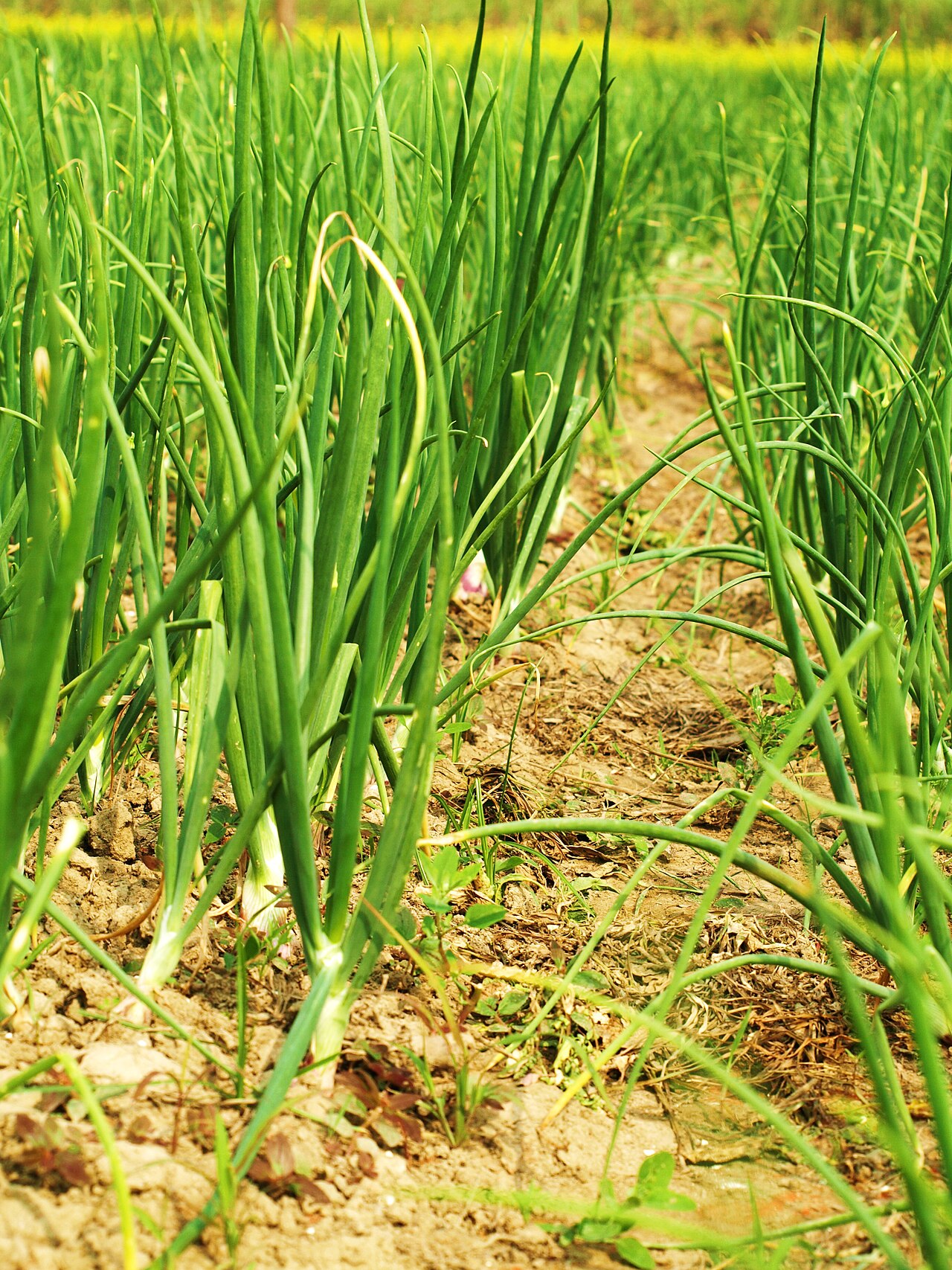
Bangladesh is close to self-sufficiency in onions, yet onion has been left out of this year's rabi incentive. On 2 November the agriculture ministry issued a government order for about Tk 199 crore in incentives to expand seven crops: mustard, groundnut, soybean, mung bean, lentil, grass pea and pigeon pea get free seed and fertiliser, but there is no allocation for onion. Several sources in the ministry and the Department of Agricultural Extension (DAE) said incentives for other crops may also be phased out.
DAE figures show onion output of 3,911,200 tonnes in 2023-24, 4,448,700 tonnes in 2024-25 and 5,090,900 tonnes in 2025-26, a rise of 1,179,700 tonnes or about 30 percent in two years. Last fiscal year 141,900 onion farmers received incentives.
People in the sector put the cost of growing a kilo of onion at Tk 40-42, while early-season prices at the arat are Tk 800-1,000 a maund, or Tk 20-25 a kilo. Because onions rot, farmers must sell in season and can lose up to about Tk 20 a kilo. Free seed and fertiliser, and storage with airflow machines, had helped offset that loss.
Dr Jamal Uddin, a former additional director of DAE's field wing, said the government spends only Tk 20-30 crore a year on onion incentives and storage but has saved about Tk 30,000 crore in import costs; support with seed, fertiliser and airflow machines should continue for at least five more years, he said, or the country could fall back into the hands of syndicates and importers. Agricultural economist Dr Jahangir Alam called ending the subsidy self-defeating, with irrigation and fertiliser costs rising and the country not yet in surplus.
Golam Mawla, an onion grower in Baliakandi, Rajbari, said farmers used to receive 10 kg of DAP, 10 kg of urea and 1 kg of seed; now they will have to buy them at higher market prices. Farmers in Faridpur and Pabna have also asked for the support to continue.
Obaidur Rahman Mondal, director of DAE's Field Services Wing, said leaving onion out was a policy decision taken at the highest level of the ministry. Farmers and experts say support should continue until full self-sufficiency is reached. The report is by Gazi Shahnewaz of Amar Desh.
Photo: Shmunmun / Wikimedia Commons (CC BY-SA 3.0)
Source: Amar Desh

Comments
(0)