
Australia's calf crop is forecast to stay broadly steady in 2027 at 10.4 million head, only marginally below the 2026 estimate of 10.45 million, according to the US Department of Agriculture's Foreign Agricultural Service (FAS) in Canberra.
The national herd is expected to remain large even though slaughter is running at record levels. For years the industry has read a female slaughter rate above about 47% as a sign that the herd is shrinking. FAS says that rule of thumb has become less reliable: better reproductive performance means fewer replacement heifers are needed to hold breeder numbers, so more females can go to slaughter without the contraction that would once have followed.
FAS points to three causes: favourable seasons, gradual gains in herd genetics and better on-farm management. Rainfall from January to August 2026 was above average across large areas of inland and northern Australia, where most cattle are run and pasture depends mainly on summer wet-season rain, leaving a strong feed base for the 2026/27 wet season. The October to December outlook is favourable across much of the north and west, while outcomes in southern regions are more mixed.
On genetics, the growing use of Wagyu and Wagyu-cross cattle is lifting reproductive efficiency in suitable regions, and commercial genomic breeding values for fertility traits are now available for northern purebred, composite and crossbred cattle, helping producers identify and keep their most productive females. Management reinforces those gains: better nutrition and pasture use, breeder body-condition management, controlled joining, pregnancy testing, earlier identification of non-performing females, bull management, vaccination and reproductive disease control.
These incremental improvements, FAS said, explain why the female slaughter rate has stayed around or above its 10-year average since 2024 without the herd contraction once associated with such rates. Industry sources across the main cattle regions report strong cattle availability and the ability to supply high slaughter numbers over the coming year, provided seasons do not deteriorate materially.
FAS expects only a modest fall in beef cow numbers in 2027 and a stable calf crop rather than a sharp cyclical contraction. It puts the 2026 calf crop at 10.45 million head, broadly unchanged from 10.5 million in 2025, with the national herd at around 29 million head. The report was written up for The Cattle Site by Melanie Epp.
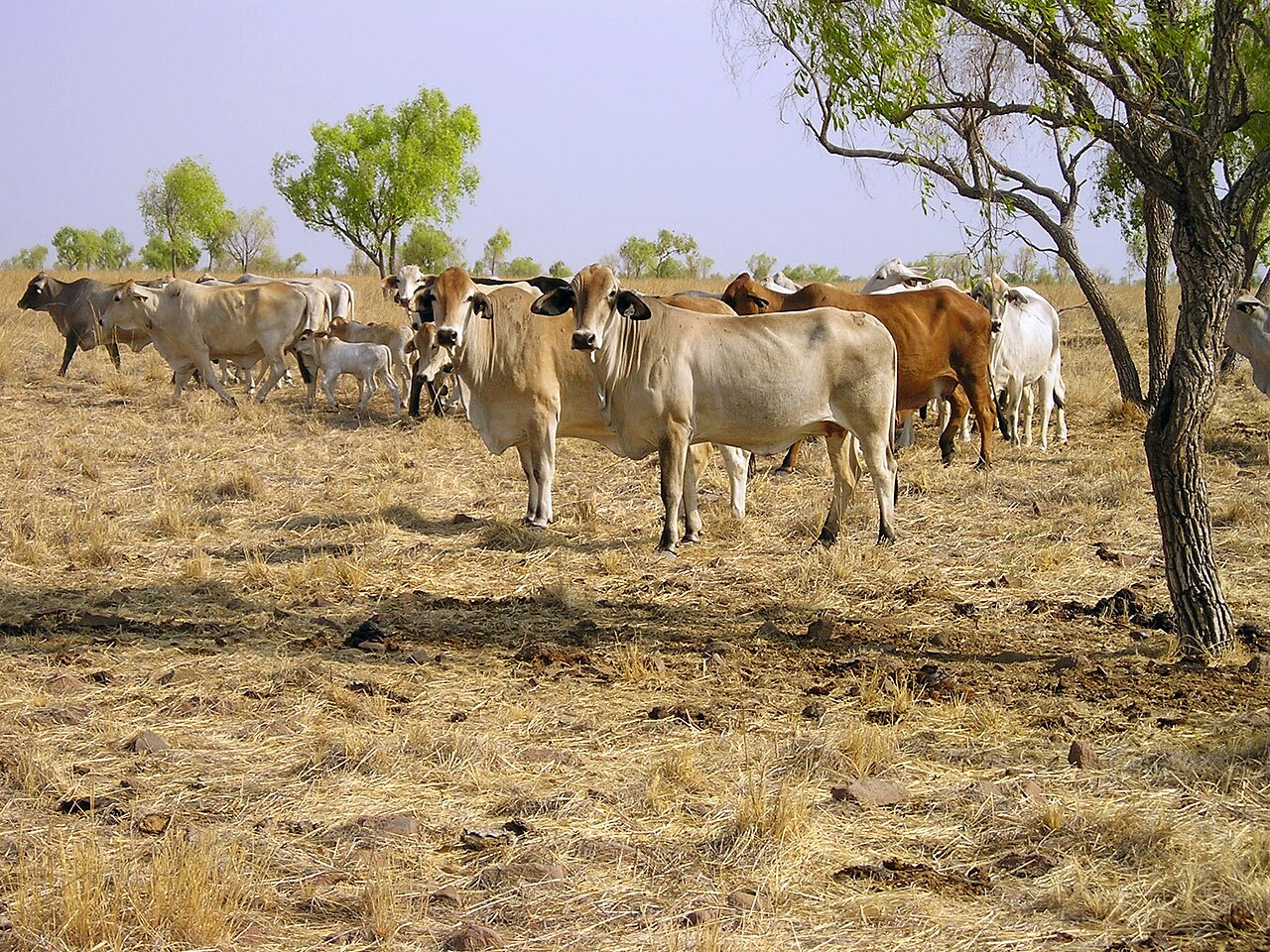
Photo: CSIRO / Wikimedia Commons (CC BY 3.0)
Source: The Cattle Site

Comments
(0)