
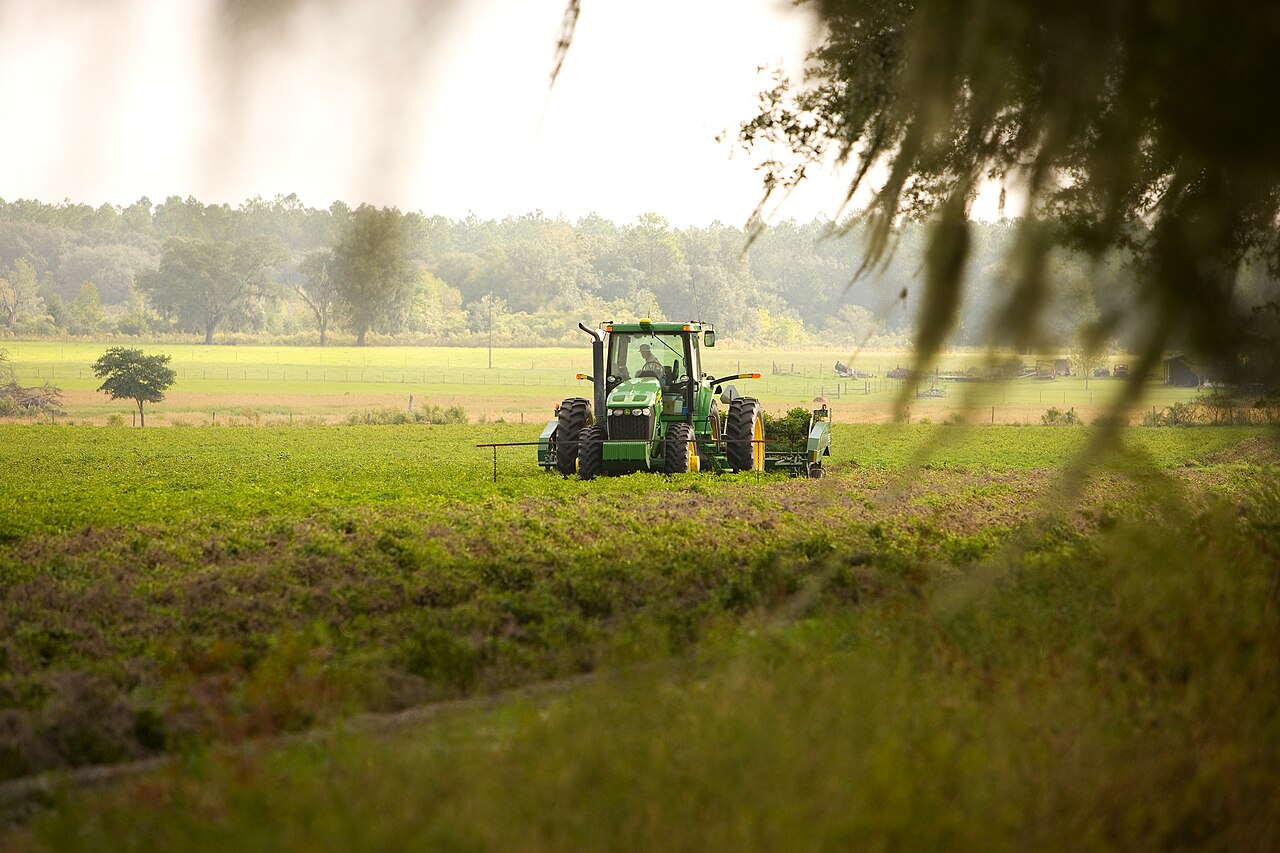
Arkansas farmers have finished their cotton and soybean harvests and are close to the end of peanut harvest, but frost now threatens the last peanuts in the field and drought is holding back winter wheat, the University of Arkansas Division of Agriculture said, in figures compiled from the USDA National Agricultural Statistics Service and reported by Farms.com.
"Freshly dug peanuts that are still high in moisture are susceptible to frost damage of the kernels, which could lower the grade and devalue the crop," said Zachary Treadway, adding that frost could now come most mornings and that he hoped to see the last 2 percent of the crop out soon.
Winter wheat planting was 86 percent complete, improved on previous weeks but behind both last year's pace and the state's five-year average, because dry soils delayed fieldwork and emergence. About 42 percent of the crop was rated good to excellent.
"The light rains that came over the past few weeks have helped get the crop going, but some fields still need more rain to get a full stand. Wheat that emerges in late November and December won't get the fall growth, which usually results in lower yields," said Jason Kelley. Strong wheat futures earlier in the year and crop insurance prices at multi-year highs had encouraged growers to plant more wheat.
Drought remains the main problem. Topsoil moisture was rated 89 percent short to very short and subsoil moisture 91 percent, all of Arkansas is in some level of drought, and more than half of the state is in the most severe category. Topsoil is where seeds germinate and young roots grow; subsoil holds the deeper reserves that carry crops through dry spells.
Growers are now protecting peanut quality from frost while watching wheat fields and hoping for meaningful rain, which would help the wheat establish and refill soil moisture. Scott Stiles also contributed analysis to the university's report.
Photo: Scott Bauer, USDA Natural Resources Conservation Service / Wikimedia Commons (public domain)
Source: Farms.com
Comments
(0)