
Antibiotics are vitally important for both animals and people, and they become essential in any serious illness. The worry is that, over time, the germs in the human body are becoming resistant to them, so they no longer work properly in treatment. Taking antibiotics without following medical rules is causing this crisis, and large numbers of people around the world are dying. At the same time, unregulated antibiotic use in farm animals, and eating those animals as protein, is sharply raising the health risk. The World Health Organization (WHO) and experts say that using antibiotics in animals excessively or without following the rules is having a severe effect on the environment and on the human body.
How resistance travels from farm to plate
Antibiotic-laced feed creates antibiotic-resistant germs in cattle, chickens and fish, which then enter the human body through food. These germs can also spread among animals and into the environment, for example on farms, at livestock markets and during transport. When animals are slaughtered or processed for food, the germs can contaminate meat and other animal products. Animal waste can also carry antimicrobial-resistant germs, and fruit, vegetables and other produce can be contaminated through soil or water that comes into contact with untreated or composted animal waste.
The WHO has advised against the routine use of antibiotics in agriculture and the food industry to fatten animals or prevent disease. According to the organisation, in many countries around 80 per cent of all antibiotics produced are used in animal production.
Research by the Bangladesh Livestock Research Institute (BLRI) has found that about 71 per cent of the germs taken from the country's broilers, layers, cattle, goats and sheep are resistant to more than one antibiotic.
Many countries are reported to have already taken steps to reduce antibiotic use in meat-producing animals because of the harm it does. The European Union banned the use of antibiotics to fatten animals from 2006, and demand has grown among consumers in those countries for meat produced without routine antibiotics.
Experts' warnings
Dr Sania Tahmina, former director general of the Directorate General of Health Services and president of the Society of Microbiology, told Jagonews that animals are given antibiotics for the same kinds of reasons people take them. With or without a vet's advice, animals are given antibiotics as soon as they have a fever, she said. Often they are given in advance to prevent disease. The dose also rises with the animal's weight, and antibiotics are mixed into fish and chicken feed. As a result, the meat and eggs of these animals become antibiotic-resistant.
Nitish Debnath, vice-chancellor of Chattogram Veterinary and Animal Sciences University, told Jagonews that animals fall ill too and need antibiotics, but they must be used in the right amounts and on vets' advice, not at the farmer's own discretion. Not all antibiotics are banned for use in animals, though many are.
"The drug administration has recently banned some antibiotics. In some places, sales staff deal with farmers directly and advise them to use antibiotics, which is why antibiotic use in animals is rising. If resistance develops in animals, it can come into the human body with food, enter the human food chain and harm people," he said.
Mohammad Habibur Rahman, livestock scientist and national technical adviser at the UN Food and Agriculture Organization (FAO), told Jagonews that animals carry both good and bad germs, and germs spread very quickly; with the slightest contact they can pass to another germ. If an antibiotic-resistant germ enters a person's body, it passes that resistance on to all the other germs, good and bad, and the antibiotic no longer works in that body. With the amount of antibiotics being fed to animals in Bangladesh, he said, resistance is developing not only in the animals but in the environment through their dung and urine, and in our bodies through meat.
Habibur Rahman said that because of this alarming situation the WHO has voiced concern and drawn up guidelines to stop the general use of some antibiotics, so that they can be kept for life-or-death cases in intensive care units (ICUs). The UN has drawn up a policy on the use of 30 types of antibiotics for treatment, in three groups: 11 that can be given routinely, nine to be given after assessing the patient's illness, and 10 that must not be used except when absolutely necessary.
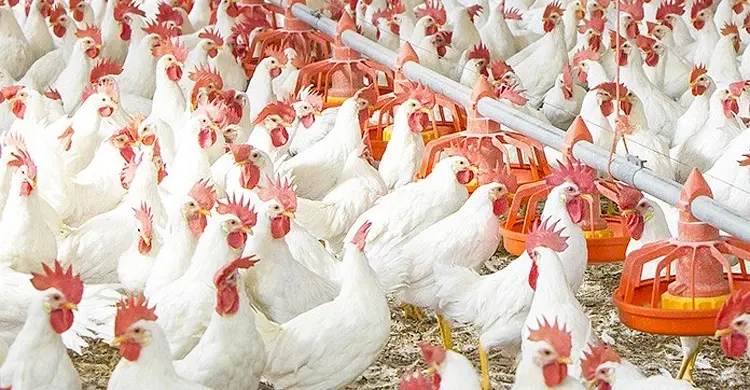
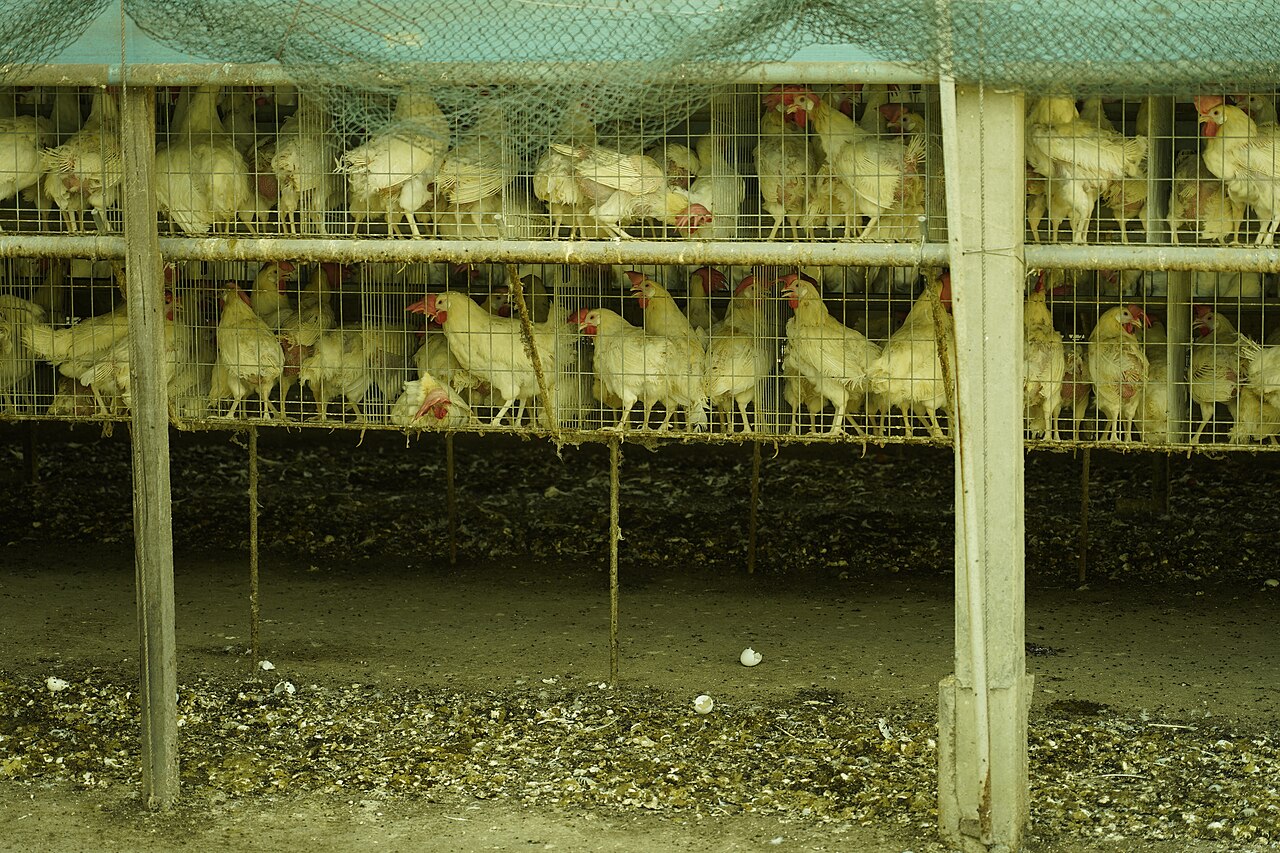
The worst antibiotic use is on poultry farms, he said. With cattle and other large animals, only the sick animal is usually treated, but in poultry, when a few birds fall ill, the whole flock is given antibiotics. If resistance develops in the birds, it passes to people who eat them. Germs in chicken waste also mix with water and soil and create resistance there.
He said the Bangladesh AMR Response Alliance, funded by the international donors Fleming Fund UK and USAID with technical assistance from the world food body, is working on guidelines for antibiotic use in Bangladesh. It has already produced guidelines for antibiotic use in people and poultry, and guidelines for cattle and fish will follow.
Resistance found in patients
A recent study by the government's Institute of Epidemiology, Disease Control and Research (IEDCR) found that antibiotics are not working properly against the germs behind several diseases, including diarrhoea and pneumonia. Its AMR surveillance update for 2017 to 2022 collected and tested samples from 27,438 patients in total, and found germs resistant to every type of antibiotic in 8 per cent of cases. Of 273 samples tested this year, 48 per cent of the bacteria carried a chemical enzyme, produced by the bacteria themselves, that can render antibiotics ineffective.
What should be done to avoid antibiotic resistance
- Antibiotics must not be used without a doctor's advice.
- Doctors should not prescribe antibiotics for any minor illness.
- Medicines for cattle, poultry and other animals should be used on the advice of vets.
- The WHO's antibiotic guidelines should be followed.
- The sale of antibiotics without a prescription should be stopped.
Source: Jagonews24. First published in Bengali on The Agro News.

Comments
(0)