
Bangladesh's banks stepped up lending to agriculture in the first half of the 2025-26 fiscal year, July to December. Citing Bangladesh Bank data, Jagonews24 reported on 27 January 2026 that a total of Tk 21,000 crore in farm loans was disbursed in the period, Tk 4,749 crore or 29 percent more than in the same period of the previous fiscal year.
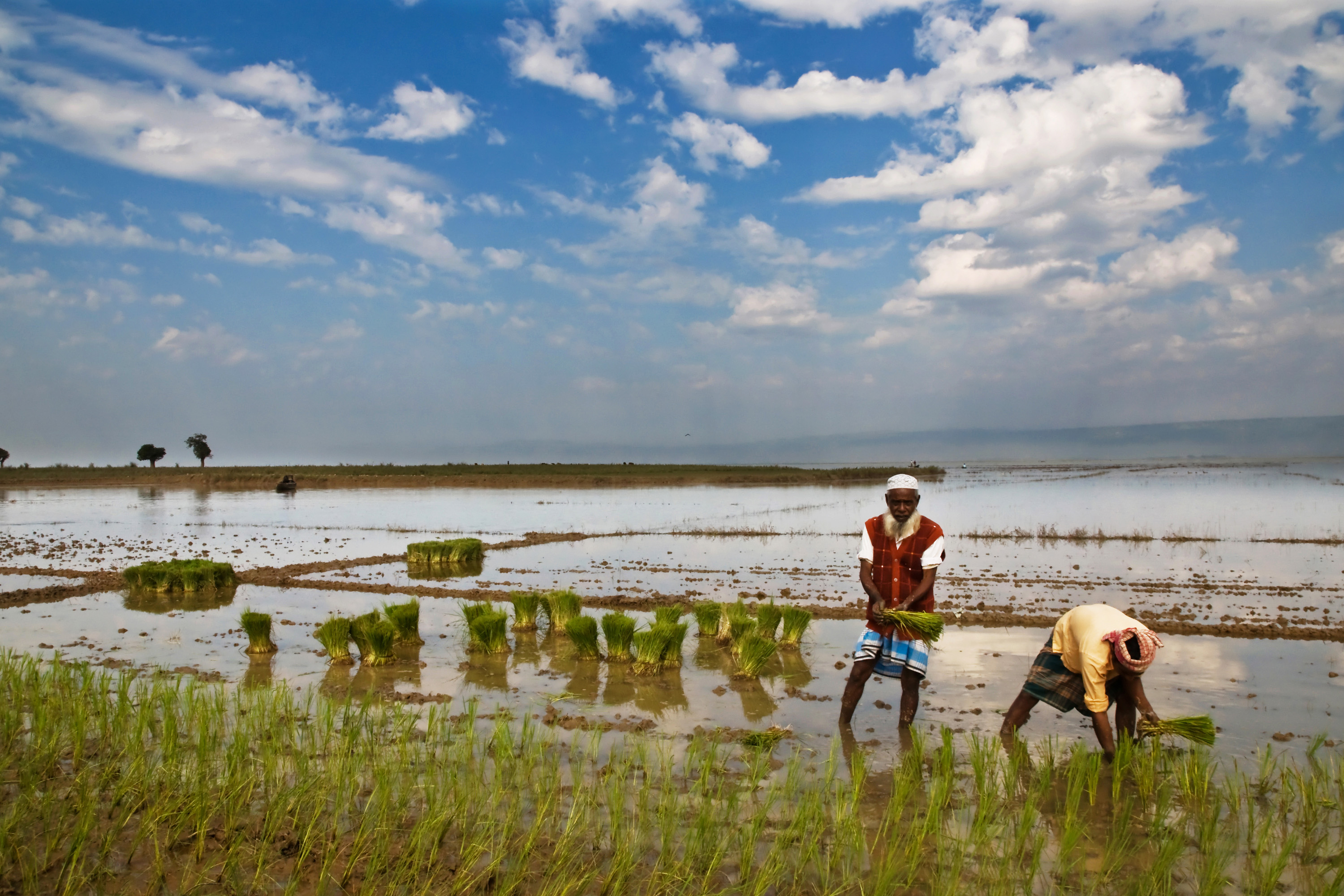
53.87 percent of the annual target in six months
Bangladesh Bank had set an agricultural and rural credit target of Tk 39,000 crore for FY2025-26. According to Jagonews24, 53.87 percent of that target was reached in the first six months.
The Business Standard and the Bangladesh Post reported on 12 August 2025 that the new agricultural and rural credit policy was announced at a press conference at the central bank's headquarters. The target for the previous year, FY2024-25, had been Tk 38,000 crore, and the new one was 2.63 percent higher. New Age reported that banks disbursed Tk 37,326 crore in farm loans in FY2024-25.
Lending had picked up from the start of the fiscal year. On 6 December 2025 New Age reported that banks released Tk 11,928 crore in farm loans in July-October, against Tk 9,391 crore in the same period a year earlier, a rise of 27 percent. The paper said disbursement had picked up again as stability improved and banks came under pressure to support food production.

Recovery and outstanding loans also rose
Bangladesh Bank data showed recovery rising alongside disbursement. In the six months, Tk 21,774 crore was recovered from the farm sector, Tk 2,657 crore or 13.90 percent more than in the same period of the previous year. Total outstanding farm loans stood at Tk 62,723 crore at the end of December 2025. New Age had put the outstanding figure at Tk 59,880 crore at the end of October.
Central bank weighs raising the 2.5 percent rule
The central bank requires banks to lend at least 2.5 percent of their net loan disbursement to agriculture. Jagonews24 reported that Bangladesh Bank was considering raising this target.
A central bank report presented at a recent meeting with banks' managing directors said agriculture contributes 10.94 percent of the country's GDP and employs about 46 percent of the total labour force. Yet, the report said, although lending grows by an average of 5 percent a year, agriculture is not getting the priority it should.
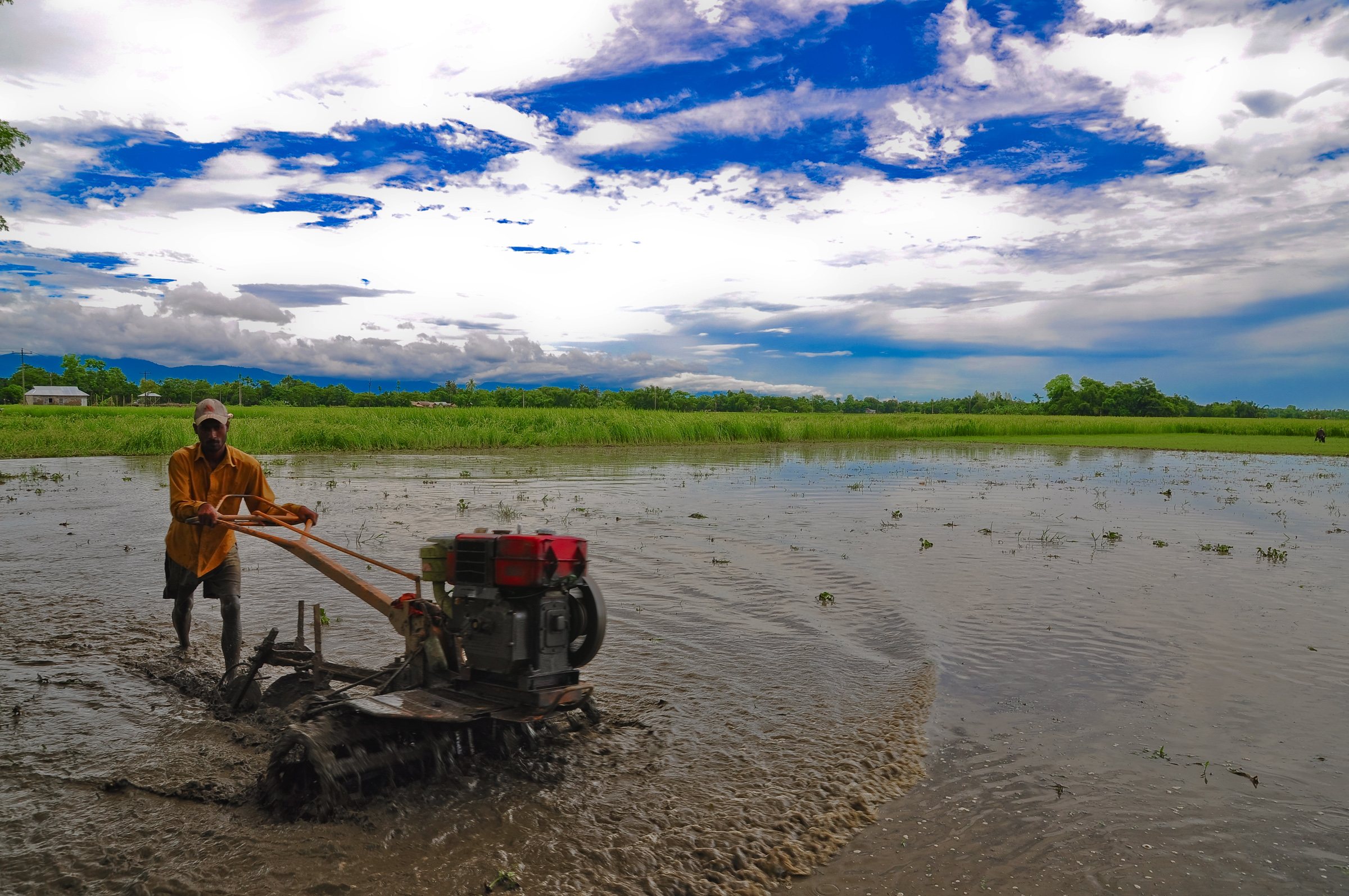
The report called the 2.5 percent target inadequate in the present situation. Adequate financing, it said, is needed to meet challenges such as rising production costs, climate risk, the use of modern technology and food security. With credit limited, the investment needed for higher productivity, mechanisation, improved seed and fertiliser, irrigation management and climate-resilient farming is being held back, the report said, raising risks to food security and the reduction of rural poverty.
Steps to widen farm lending
A Bangladesh Bank official told Jagonews24 that the central bank was taking various initiatives for food security and the overall development of farmers and the farm sector. Open and group lending programmes had been strengthened to improve transparency and awareness, and banks had been told to expand farm lending beyond their branches through agent banking, sub-branches, contract farming, the area approach and, where needed, links with microfinance institutions (MFIs).
The FY2025-26 credit policy, as reported by The Business Standard and the Bangladesh Post, included:
- a larger allocation for livestock, raised to 20 percent
- a 2 percent allocation for irrigation and farm machinery
- a waiver of CIB service charges for loans up to Tk 2.5 lakh
- wider coverage of contract farming and agent banking
- new crops in the policy: cucumber, taro stems, beetroot, black cumin, ginger, garlic, turmeric and date molasses
- region-specific lending guidelines based on production potential
Bangladesh Bank had also instructed banks to lend at a subsidised 4 percent interest rate for growing pulses, oilseeds, spices and maize, New Age reported.
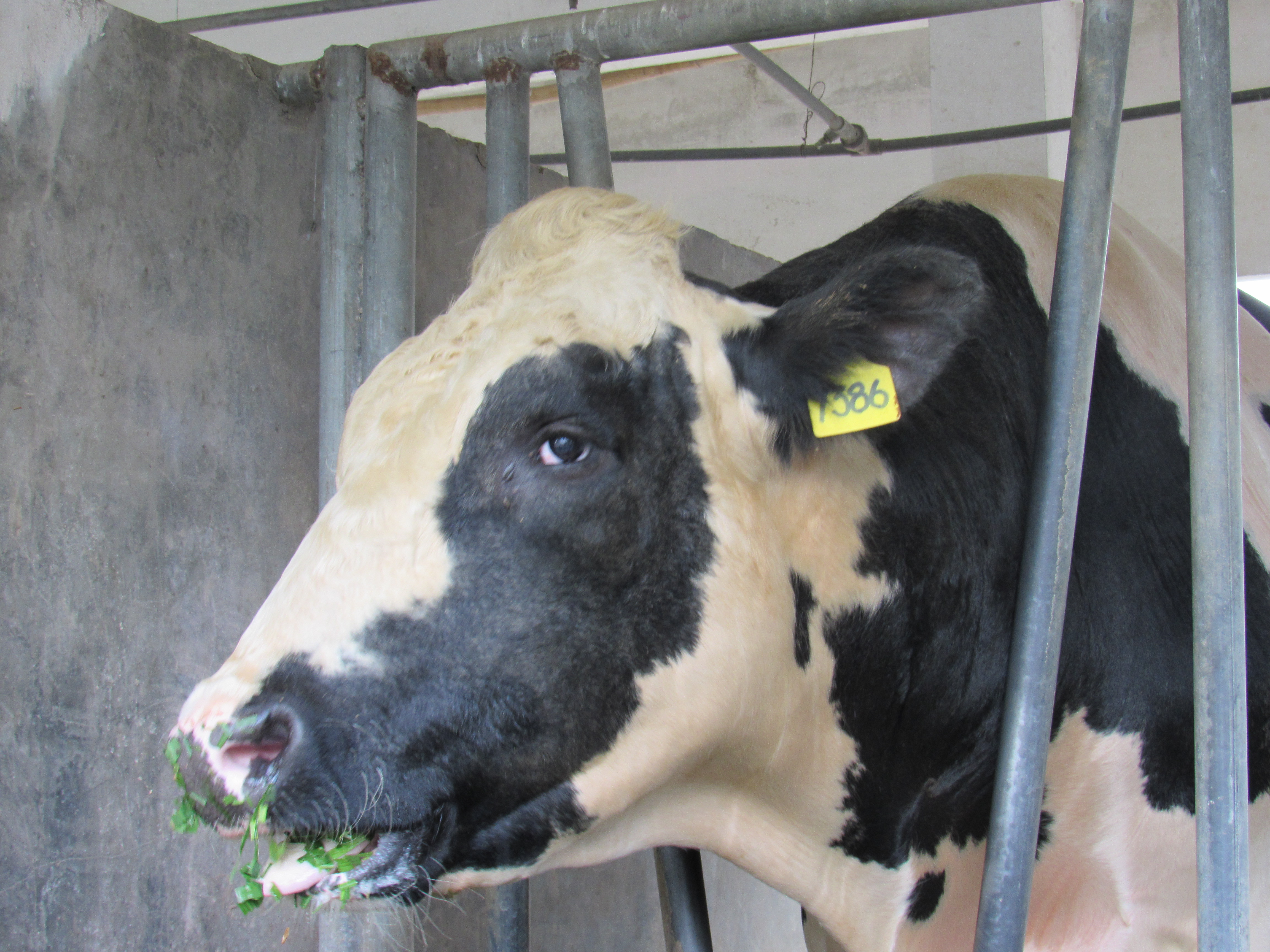
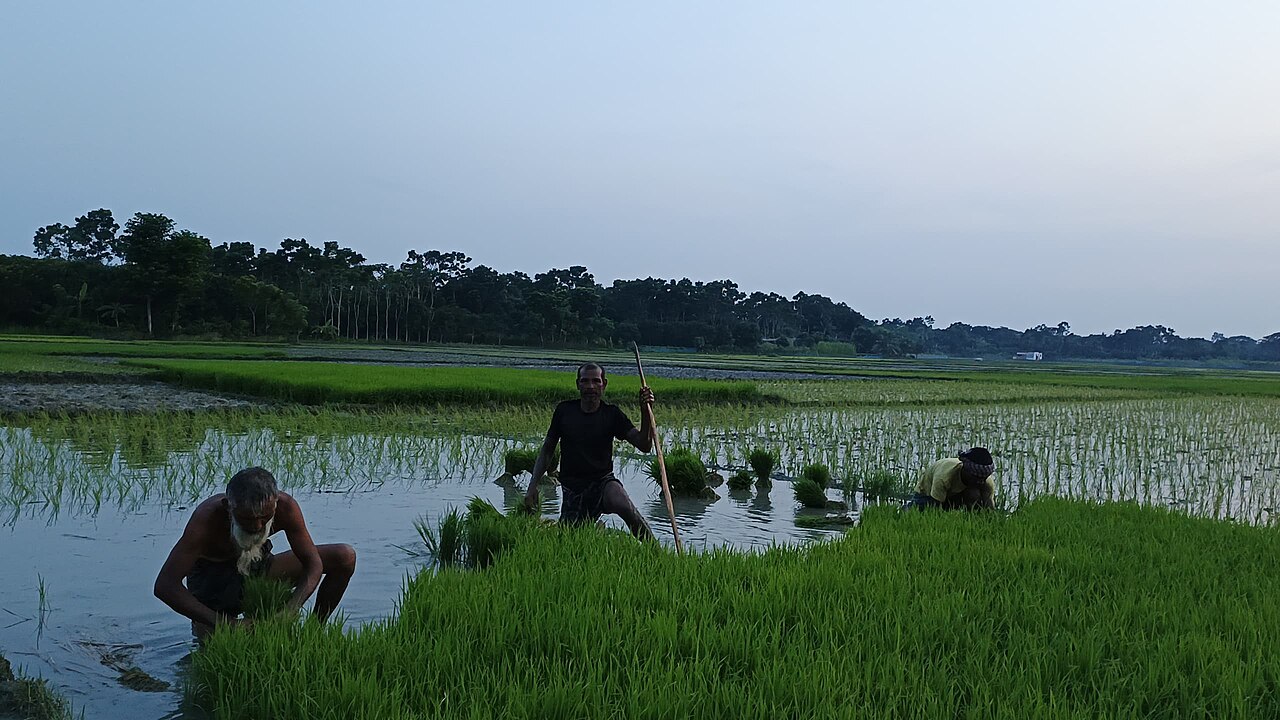
Photo: Balaram Mahalder / Wikimedia Commons (CC BY-SA 3.0)
Sources: Jagonews24, The Business Standard, Bangladesh Post, New Age

Comments
(0)