
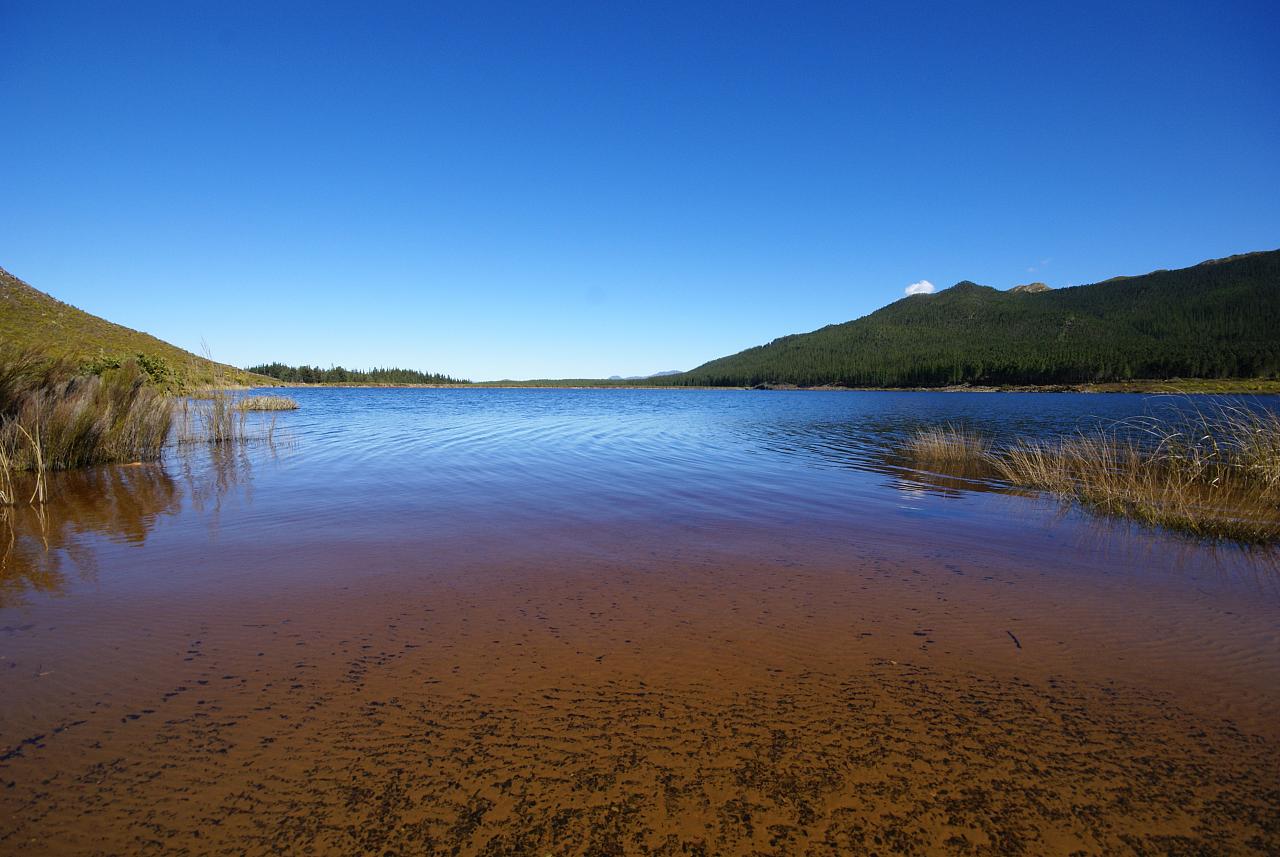
Agri Western Cape has objected to new restrictions from South Africa's Ministry of Water and Sanitation that cut irrigation allocations from the province's water supply system by 15 per cent, while domestic and industrial users lose 7 per cent. In volume, agriculture gives up 29.6 million cubic metres a year; domestic and industrial users together lose 27.2 million cubic metres.
Jannie Strydom, the organisation's chief executive, said the cut comes at a critical point in the production cycle for table and wine grapes, stone fruit, berries, vegetables and citrus, and threatens export earnings and rural jobs. "The agricultural sector supports responsible water management and wants to prevent a repeat of a potential Day Zero," he said, but the Western Cape ships 58 per cent of South Africa's primary agricultural exports and its farms provide 250,000 permanent jobs, a quarter of the country's farm employment, from only 10 per cent of its productive land.
Strydom also disputed the explanation that below-normal winter rain is the main reason for low dams. Poor maintenance of critical infrastructure also affects storage, he said, a point the farmers have raised in several meetings with the department. "We cannot hamstring a productive sector amid such waste of this scarce resource."
Water and Sanitation Minister Pemmy Majodina said combined storage in the Western Cape Water Supply System stood at 72.5 per cent (646.5 million cubic metres) on 2 November 2026, against 84.4 per cent (694 million cubic metres) a year earlier. That is well above the levels of the 2016-2017 drought but below the preferred operating threshold of 80 per cent and about 11.9 percentage points under the ten-year average of 84.49 per cent.
The system supplies Cape Town, the West Coast, Stellenbosch, Paarl, Franschhoek and Wellington as well as many farms. Protecting it was "not only a water management responsibility but also a socio-economic imperative," Majodina said, urging municipalities, businesses, farmers and households to use water efficiently. "Let us act now, not when our dams are empty."
The story was reported by Tiisetso Manoko.
Photo: Danie van der Merwe / Wikimedia Commons (CC BY 2.0)
Source: Food for Mzansi

Comments
(0)