
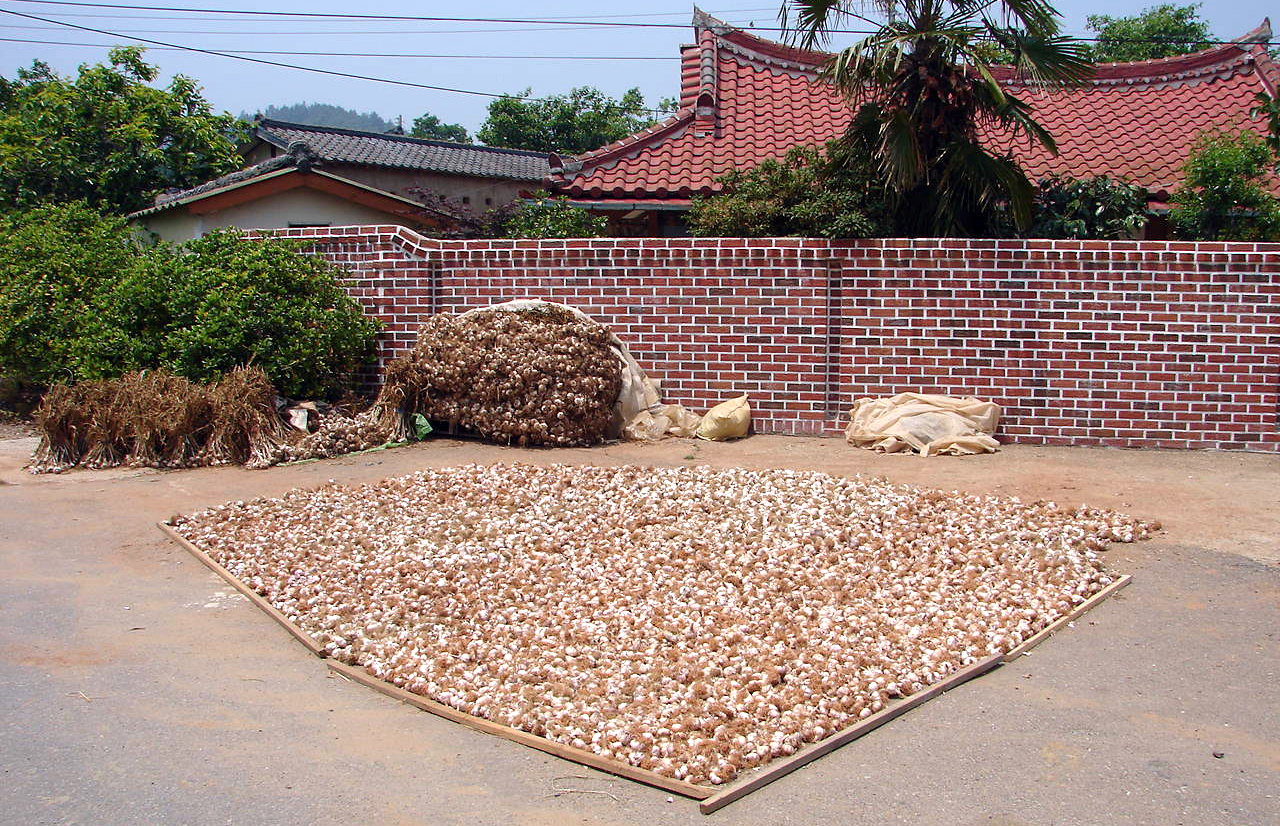
Vietnam is seeking deeper cooperation with China to strengthen its garlic industry, reduce supply constraints and develop higher-value products, AgNavigator reports. "The garlic sector may not be the largest area in bilateral trade, but it demonstrates the ability to shift from mere commodity exchange to deeper cooperation across the entire agricultural value chain," said Do, Vietnam's Agricultural and Environmental Counsellor to China.
Garlic is a small crop in Vietnam beside rice, coffee and fruit, grown mainly in central coastal and northern provinces, and the country lacks data on its planting area, production, consumption and imports. Limited domestic output and strong competition from imports have left it reliant on imported garlic, while demand is spreading from fresh bulbs to black, peeled and dried garlic, powder, minced garlic and garlic oil.
Vietnam proposes pilot projects that pair Chinese know-how in large-scale production, mechanisation, irrigation and post-harvest handling with local varieties; joint breeding for yield, quality, shelf life and pest resistance while protecting native germplasm and geographical indications; and cooperation on processed products. Chinese suppliers could provide raw material for processing plants in Vietnam that serve the home market and export to third countries.
Over the longer term Vietnam wants to build exports of premium varieties such as Ly Son garlic, grown in the volcanic soil of Ly Son Island, through better quality, traceability, food safety and branding. China grows garlic on about 850,000 hectares, producing more than 16 million tonnes a year, and its garlic and related exports earn over $3.5 billion annually.
Photo: Steve46814 / Wikimedia Commons (CC BY-SA 3.0)
Source: AgNavigator

Comments
(0)