
American farmers are leaning harder on credit to cover the cost of doing business, and the US Department of Agriculture estimates that inflation-adjusted farm interest expenses will reach their highest level on record in 2026, according to the American Farm Bureau Federation.
Credit has always bridged the months between buying inputs and selling a crop, Farm Bureau economist Faith Parum said, but the amount of debt producers carry and the cost of servicing it are drawing more attention as input costs stay high and commodity prices lag. "Using credit doesn't mean necessarily that the farm or the farm economy is in bad financial health," she said. "USDA actually says that this is the highest interest rate expenses in 2026 dollars that they've ever estimated. So, you know, taking on debt is not a bad thing, but we want to make sure it's in a sustainable manner."
Farm Service Agency figures show the demand. In fiscal 2025 the agency obligated US$6.74 billion through 27,792 farm loans, against US$5.39 billion across 24,555 loans the year before — a 25 per cent rise in dollars and 13 per cent in loan numbers. Operating loans made up nearly 60 per cent of FSA lending; guaranteed operating loan obligations rose 37 per cent and guaranteed farm ownership obligations 41 per cent.
Beginning farmers relied on the agency most: 15,552 loans worth US$3.53 billion went to them, about 56 per cent of all FSA loans and 52 per cent of the dollars. At the same time the loan limits set in the 2018 farm bill — US$600,000 for direct farm ownership loans and US$400,000 for direct operating loans — cover a shrinking share of what producers need as land values and production costs rise.
Parum said the next farm bill is "the easy button". The proposed Agricultural Act of 2026 would raise direct farm ownership loan limits to US$850,000 and direct operating loans to US$750,000, lift guaranteed farm ownership loans to US$3.5 million and guaranteed operating loans to US$3 million, and double microloans from US$50,000 to US$100,000.
The pressure is not easing: USDA projects that production costs for several major crops will hit record highs in 2027, after several years of tight or negative margins, making affordable credit more important for cash flow, annual production and investment in land and equipment.
AGDAILY Reporters wrote the account from the American Farm Bureau Federation's analysis.
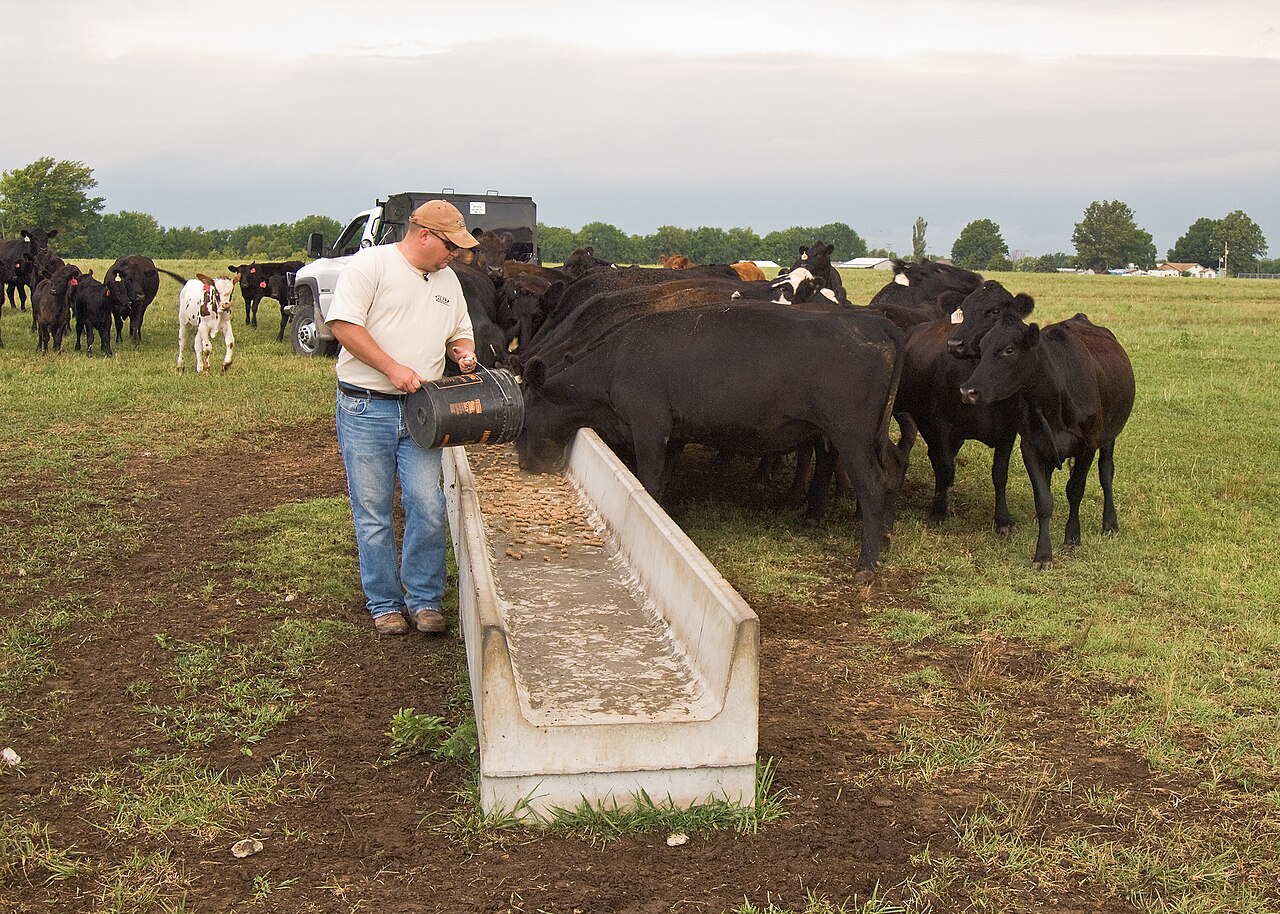
Photo: US Department of Agriculture / Wikimedia Commons (Public domain)
Source: AGDAILY



Comments
(0)