
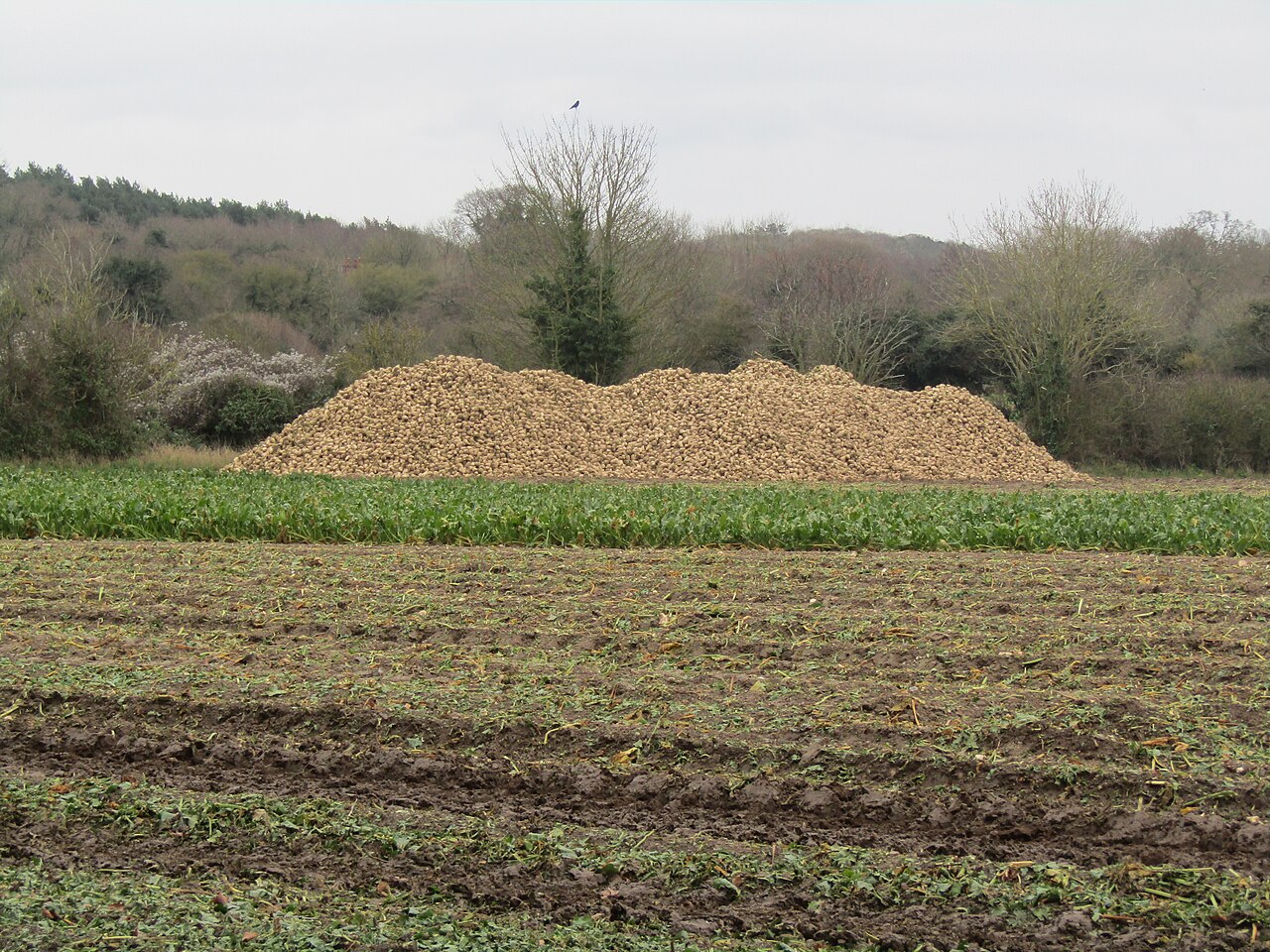
Texas Tech University has released an update of its 2019 report on foreign sugar subsidies, describing the policies the world's largest sugar producers use to favour their own industries. The study was written by Darren Hudson, director of the university's International Center for Agricultural Competitiveness, and assistant director Shawn Wade.
The report covers 29 countries that account for more than 86 percent of global sugar production and 87 percent of exports. It finds that virtually all sugar-producing countries offer subsidies, market protection or trade restrictions, making sugar one of the most distorted commodity markets in the world. The United States is not included.
Rob Johansson, director of economics and policy analysis at the American Sugar Alliance, the US growers' group, said the report benchmarks how far the market is distorted and urged policymakers to "modernize U.S. trade policies". US sugar policy combines import quotas with loans repaid with interest; the country is the world's third-largest sugar importer.
Photo: Kolforn / Wikimedia Commons (CC BY-SA 4.0)
Source: American Ag Network
Comments
(0)