
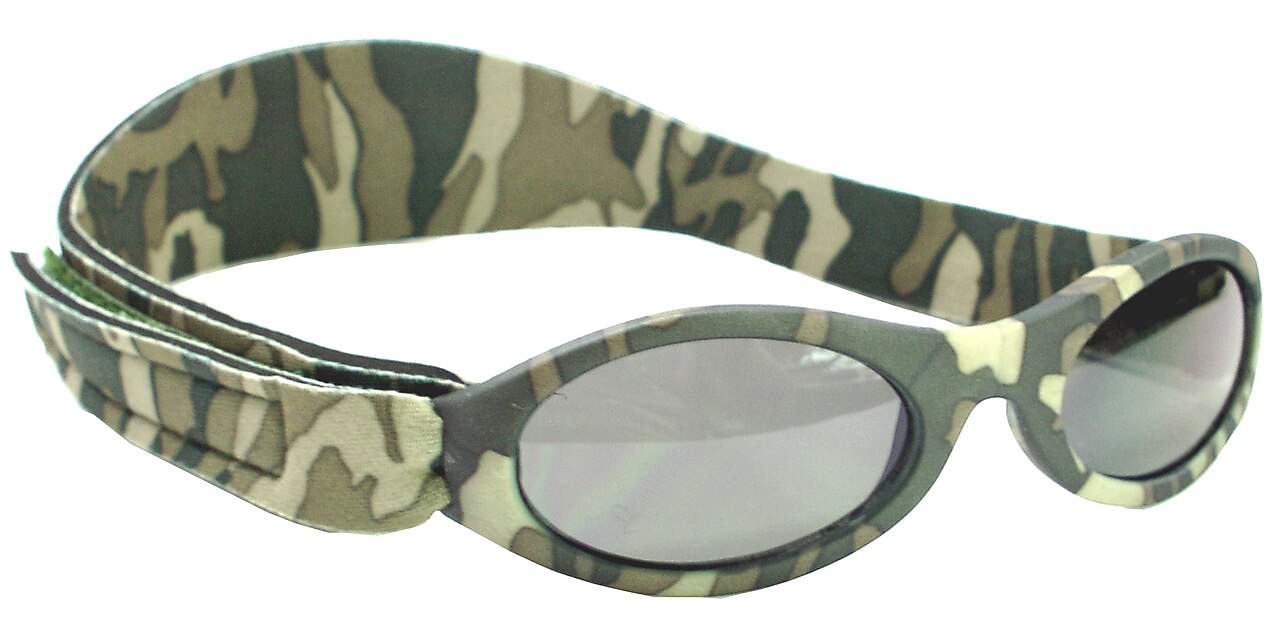
Children should wear sunglasses outdoors just as adults do, according to Dr Tasnuva Khan, paediatrician and assistant professor at the Sreenagar Upazila Health Complex in Munshiganj. Speaking to Prothom Alo's Rafia Alam, she said the harmful effects of sunlight can be much greater on children's eyes than on adults'.
Long exposure to ultraviolet light, she explained, can raise the risk of problems such as cataracts and macular degeneration, which reduce eyesight. It can also cause a yellowish tinge or raised spots on the white of the eye. The damage is not noticed at once; it builds up slowly.
There is no minimum age for sunglasses, she said: children should start wearing them as soon as they can, in every season and even on cloudy days. Near water, on sandy places such as beaches, on riverbanks, in open fields or among concrete, a wide-brimmed hat should go with them.
When buying, check the label to make sure the lenses block 99 to 100 per cent of UVA and UVB rays, often marked UV 400. Darker lenses do not mean better protection, and an expensive pair is not necessarily a safe one. Shatter-resistant polycarbonate or Trivex lenses and flexible frames suit children best, and the glasses should cover as much of the area around the eyes as possible without being too loose or too tight. Colourful children's sunglasses of many designs are sold on footpaths, so she advises checking their quality and buying from a trustworthy seller. Polarised glasses are good for sport, as long as they also block ultraviolet light.
She advised adults to wear sunglasses themselves so children copy them, to use a strap so the glasses are not lost, and to teach children not to share them. Babies under six months should not be taken into direct sun at all; a cap or umbrella should shield their eyes and skin.
Photo: Babybanz / Wikimedia Commons (CC BY-SA 3.0)
Source: Prothom Alo

Comments
(0)