
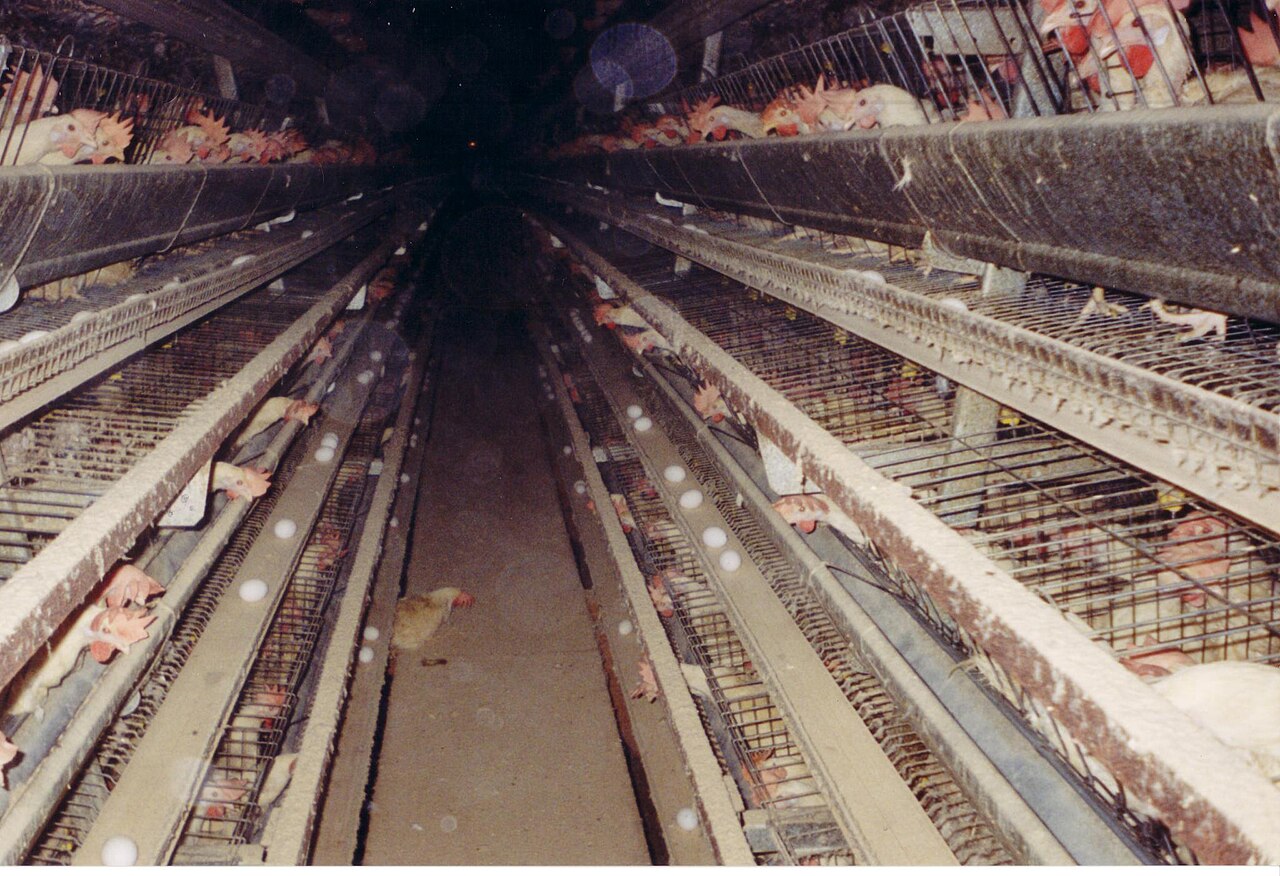
South Korea confirmed 58 cases of highly pathogenic avian influenza (HPAI) on chicken and duck farms during the 2025-26 winter and spring season, and layer farms took the worst of it: about 11.3 million laying hens, 13.6% of the national layer flock, were culled, according to a USDA Foreign Agricultural Service report on the country's poultry sector.
Losses among broiler parent stock, the breeding birds on which the chicken-meat industry rests, turned out larger than first estimated. About 400,000 of them, roughly 5% of the total, were destroyed, which caused considerable alarm in the industry. Fewer adult parent birds made it hard to place chicks and left the broiler supply unstable through the peak summer demand season.
To make up for the culls, 17 million hatching eggs were imported from European countries including Belgium and Spain in two shipments through August, and the country's poultry integrators have been competing to restock parent flocks.
The shortage of layers sharply reduced daily egg output and pushed table egg prices up, which in turn lifted prices across other livestock products. The Ministry of Agriculture, Food and Rural Affairs (MAFRA) announced plans to import about 200 million table eggs from countries including the United States and Thailand to stabilise prices.
Overall numbers have recovered. South Korea's total chicken inventory rose 1.2% to 201 million birds in June 2026, driven mainly by broiler placements, which rose 1% to 111 million. Broilers, including samgye and indigenous chickens, made up 55.1% of the inventory, layers 39.2% (79 million) and parent stock 5.7% (11 million).
The report was summarised by Melanie Epp for The Poultry Site.
Photo: Mercy For Animals / Wikimedia Commons (CC BY 2.0)
Source: The Poultry Site

Comments
(0)