
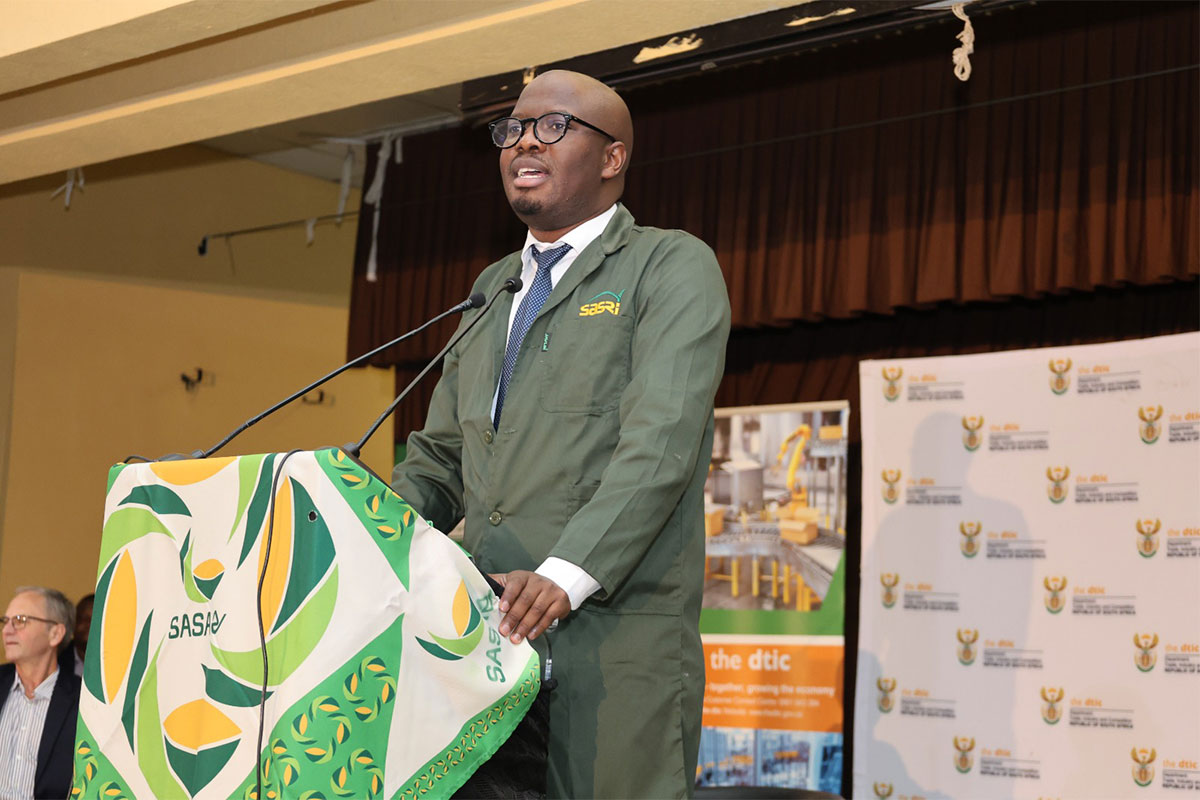
South Africa's government plans to bring development finance institutions, commercial banks and the sugar industry together to design a funding framework suited to sugar cane growers, Deputy Minister of Trade, Industry and Competition Zuko Godlimpi said at a two-day Grower Imbizo.
The imbizo, hosted by the trade and agriculture departments with the South African Sugar Association, included farm visits on 17 September and a grower dialogue the next day. "Our funding institutions might not necessarily understand the specific circumstances that the sugar cane growers are facing," Godlimpi said, announcing a capital-raising workshop with grower organisations and lenders. He also stressed longer-term support for land-reform growers: production know-how, offtake negotiation, machinery maintenance and mentorship.
Vince Drew, owner of LV Sugar Estate, cited a neighbouring farm whose output rose from about 2,900 tonnes to around 8,000 tonnes after replanting and support, with the funding repaid within two and a half years — but said finance alone is not enough without financial management and farming knowledge.
Godlimpi called for predictable, institutionalised tariff reviews. The dollar-based reference price for imported sugar was recently raised from US$680 to US$785 a tonne; Manini Masithela of the International Trade Administration Commission (ITAC) said the commission had found the industry uncompetitive against imports and that US$785 would adequately cover production costs, with a review due in three years or sooner if conditions change. "Capital follows confidence," said Tim Crookes of Ellingham Estate, warning that deferred replanting leads to ageing cane and falling yields.
Ethanol was also on the table. Dr Thomas Funke, chief executive of the South African Cane Growers Association, said Illovo's Sezela Mill, which crushes about two million tonnes of cane a year, has ethanol potential, and that the industry is ready to supply the fuel market, subject to legislative and regulatory changes and possible subsidy support. Crookes said growers would benefit only if some of the added value flows back to them.
The report was written by Henning Naude.
Source: Farmers Weekly South Africa


Comments
(0)