
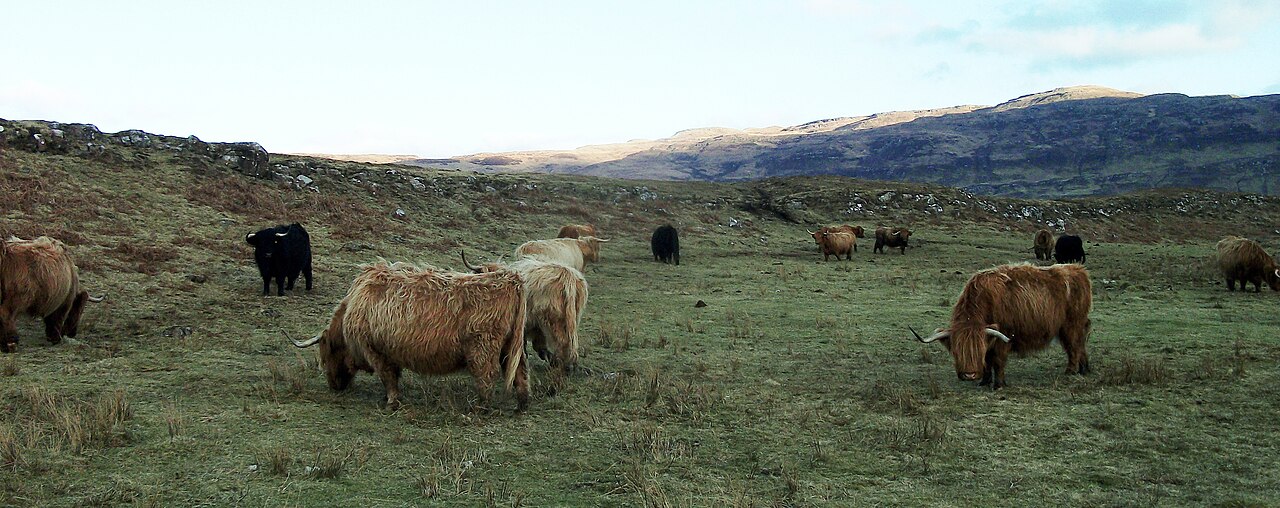
Scotland's livestock sector could face renewed pressure to cut emissions if the UK government waters down its electric-vehicle targets, the Scottish government has suggested. Gillian Martin, cabinet secretary for climate action and rural affairs, told the Scottish Parliament's Climate Action Committee on 17 September that ministers might face "very difficult decisions" if the emissions savings expected from transport do not materialise.
Her evidence came as Westminster considers changes to the Vehicle Emissions Trading Scheme, under which 80 percent of new cars and 70 percent of new vans sold by 2030 must be zero-emission; the changes under discussion could ease the pressure on manufacturers to meet those targets. Martin said any weakening of those assumptions could force ministers to reassess how Scotland's statutory climate targets are met.
The Scottish government's Climate Change Plan 2026–2040 explicitly rejects proactively reducing livestock numbers, despite the Climate Change Committee's advice that cutting cattle and sheep populations would help deliver future carbon budgets. Ministers have instead pledged to cut the emissions intensity of livestock production through better animal health, genetics, feed efficiency and emerging methane-reduction technologies. A shortfall in transport, however, could push them to look for savings elsewhere and revive the CCC's proposals.
Scottish Conservative MSP James Adams said the SNP had "casually shown their hand" over its plans for livestock farms, warning that cutting numbers could drive family farms out of business, threaten food security and "decimate communities across Scotland". The Scottish government insists it has no policy to reduce cattle or sheep numbers and aims to help farmers lower emissions while keeping productive livestock businesses. Scotland is legally committed to net-zero greenhouse gas emissions by 2045 under statutory five-year carbon budgets.
Photo: Peter Evans / Wikimedia Commons (CC BY-SA 2.0)
Source: Farmers Weekly

Comments
(0)