
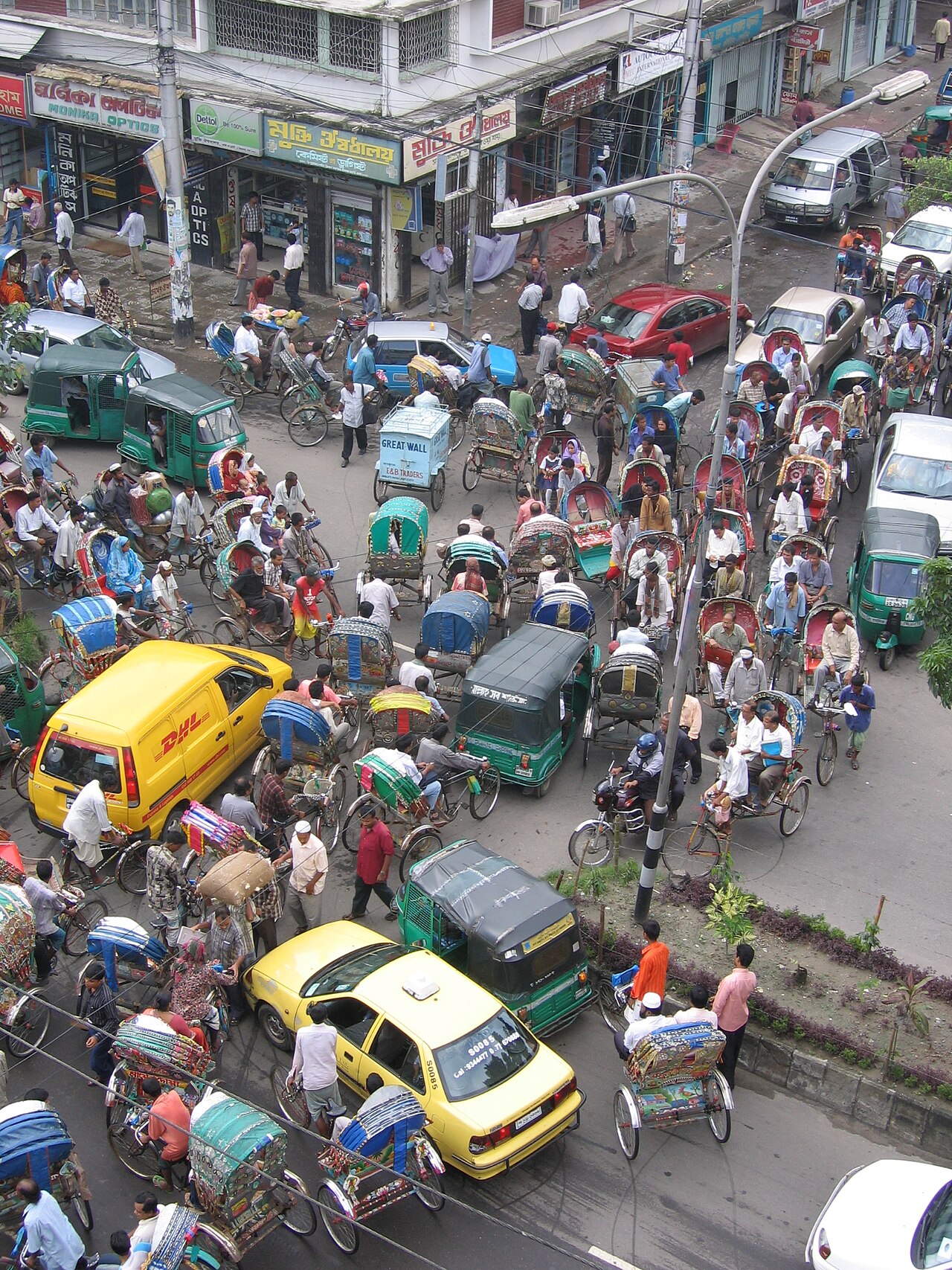
A road is no one's private space; everyone who uses it has a right to it. That is the starting point of a piece on road safety in Islamic teaching by Iftekharul Haque Hasnain, an Islamic scholar and essayist, in Prothom Alo's religion pages. The views are the writer's own.
He recalls that the Prophet (peace be upon him) told his companions not to sit by the road and, where they had to, to give the road its rights: lowering the gaze, harming no one, returning greetings, and encouraging good and forbidding wrong (Sahih Bukhari, hadith 6229). Removing something harmful from the road is described as a branch of faith (Sahih Muslim, hadith 35).
Today, he writes, this reaches further: building materials dumped on the road, rubbish thrown anywhere, occupied footpaths and needless obstructions all put people at risk. Speeding, reckless driving and careless overtaking endanger the driver and others alike, so restraint at the wheel fits Islam's wider principles.
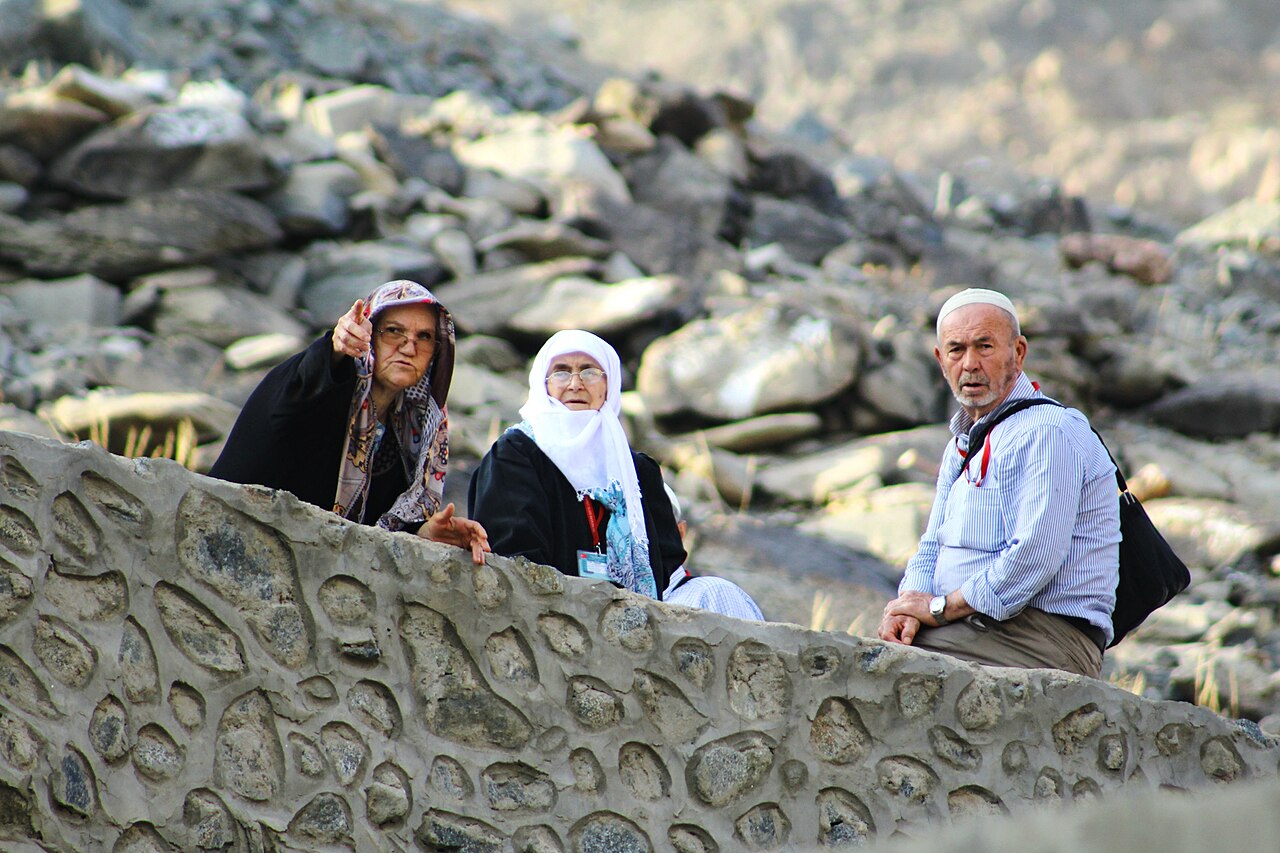
The piece stresses the right of pedestrians, children, women, the elderly and people with disabilities to move safely. Helping someone onto a mount or lifting their luggage is called charity (Sahih Bukhari, hadith 2989), and so is showing a lost person the way (Sunan Tirmidhi, hadith 1956). Sahih Muslim (hadith 1914) tells of a man forgiven for moving a harmful branch out of people's path.
On the worth of a human life he cites verse 32 of Surah Al-Ma'idah, and notes that the Quran sets compensation and expiation even for unintended killing (Surah An-Nisa, verse 92).
His argument ends on shared responsibility: drivers must be careful, pedestrians must follow the rules, transport owners and workers must take care, and the state must provide effective laws and safe infrastructure. Treating others' rights on the road as seriously as our own is what makes it safe.
Photo: ~Pyb / Wikimedia Commons (CC BY 2.0)
Source: Prothom Alo

Comments
(0)