
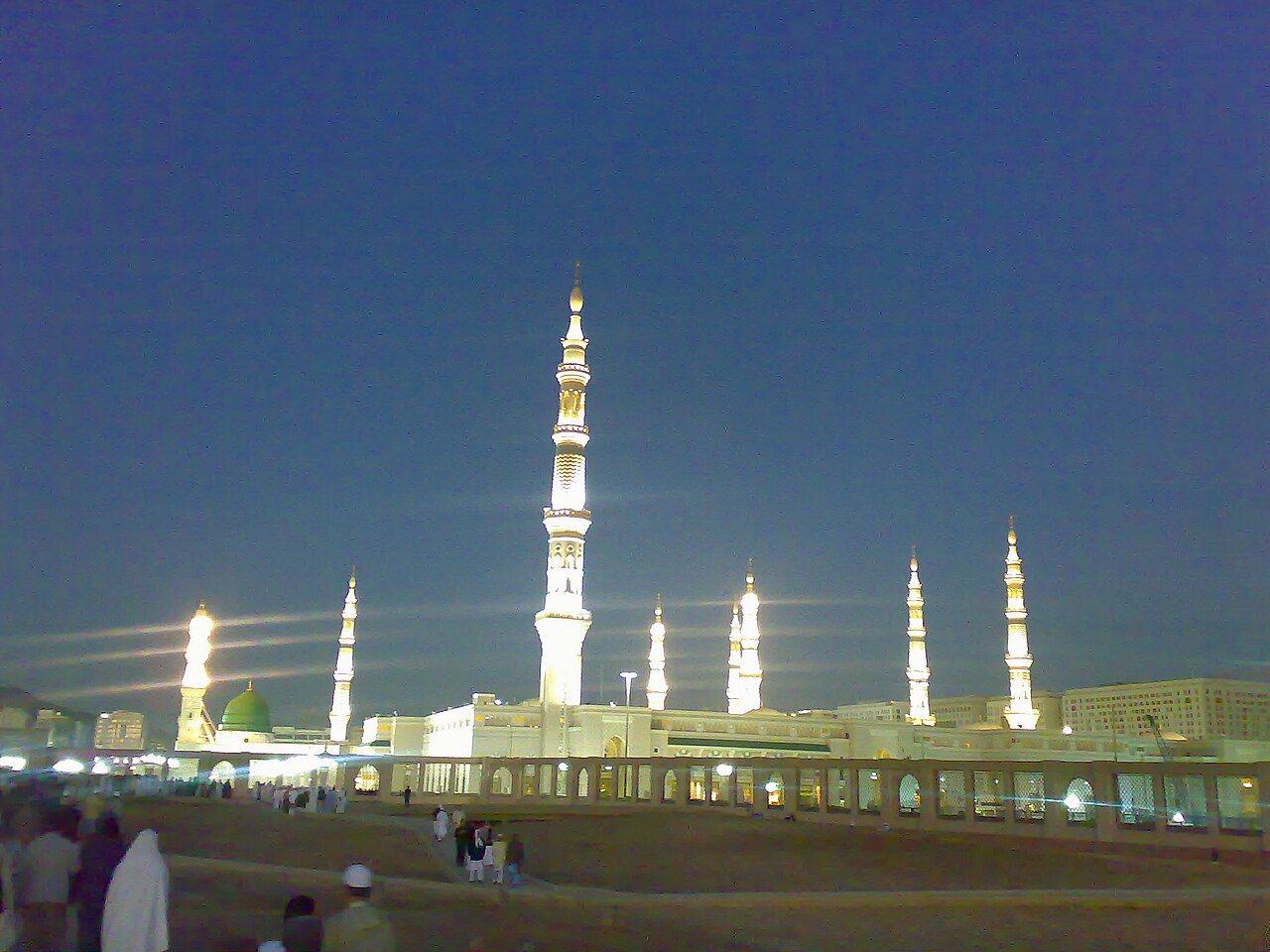
"No time" is the commonest complaint of modern life. Yet the Prophet Muhammad (peace be upon him), who led a newly formed state, kept a day that was orderly and calm, and neither his family nor the people of Medina complained that he had no time for them. Manzurul Haque draws this picture from the hadith on Prothom Alo's religion page.
In the morning, after asking after his family, he prayed two rak'ahs in Masjid an-Nabawi and sat among his companions. It was an open audience for the people of Medina: teaching the Quran, settling problems of society and state, and receiving delegations from distant tribes. He had no special seat, so that visitors would ask, "Which of you is Muhammad?" (Sahih Bukhari, hadith 63).
Until midday he went out to people himself. He visited his daughter Fatimah and held his grandsons Hasan and Husain (Sahih Bukhari, hadith 5994), visited sick companions and comforted bereaved families. If a woman, an old man or anyone in need stopped him in the street, he stood and listened until the matter was settled (Sahih Muslim, hadith 2326).
Returning home before noon, he first used the miswak (Sahih Muslim, hadith 253), prayed the voluntary Duha prayer and asked whether there was food; if there was none he would say, "Then I am fasting today" (Sahih Muslim, hadith 1154). At home he helped with the housework, mended his own clothes and sandals and milked the goats, and when the call to prayer came he left everything for the mosque, Aishah (may Allah be pleased with her) said (Sahih Bukhari, hadith 676).
Before Zuhr he took a short rest known as qailulah (Sahih Bukhari, hadith 6281). At Bilal's call to prayer he rose, made wudu, prayed four sunnah rak'ahs at home and went to the mosque (Sahih Muslim, hadith 730). After Zuhr he gave advice when needed, then went out with his companions on the city's business or stayed in the mosque until Asr.
Photo: Vago / Wikimedia Commons (Public domain)
Source: Prothom Alo


Comments
(0)