
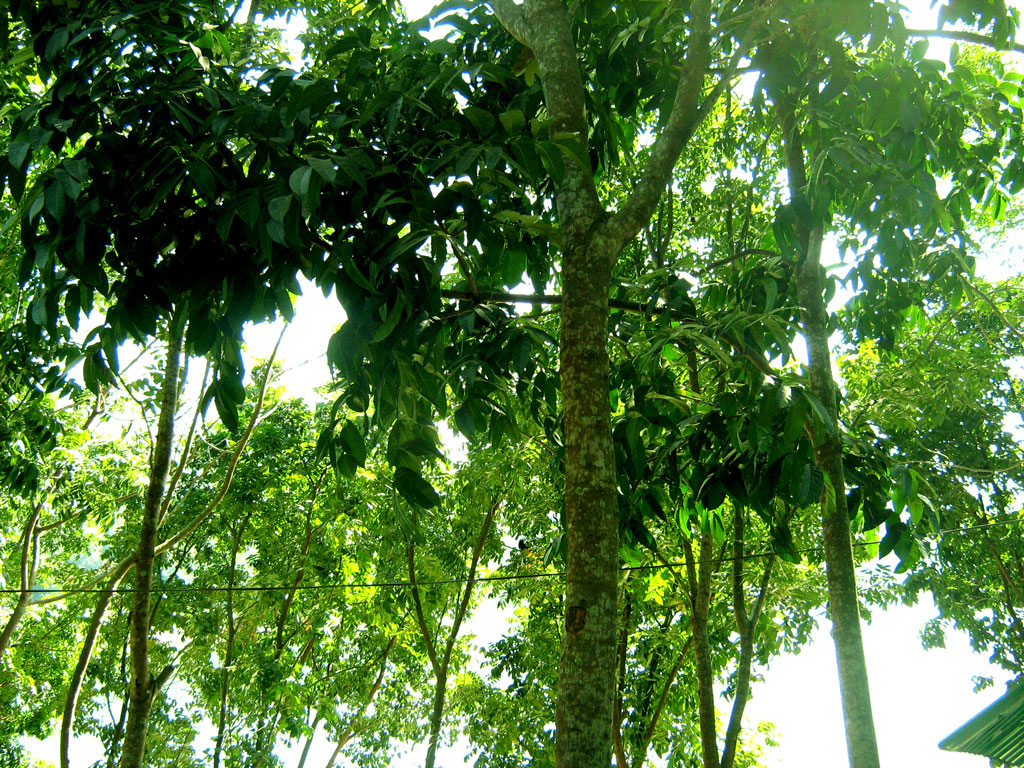
Researchers surveying two protected forests in the Chittagong Hill Tracts for 75 days have found four snake species that had never been recorded in Bangladesh. Three are non-venomous and one is mildly venomous. The forests, Kaptai National Park and Dudhpukuria-Dhopachhari Wildlife Sanctuary, hold 36 snake species between them.
The four additions are the striped keelback, the Bindi keelback, Haas's bronzeback tree snake and Wall's bronzeback. The striped keelback was found in Kaptai and the other three in Dudhpukuria-Dhopachhari. Herpetologist Md Sohel Rana of the Bangladesh Wildlife Centre told Prothom Alo that the Bindi keelback, though mildly venomous, is not harmful to people.
The study was published on 18 November in the international journal Ecology and Evolution. The team was Sohel Rana, Sajib Biswas of Nanjing Forestry University in China, Mahi Wasim of the University of Alabama in the United States, and Ashish Dutta, assistant professor at Jahangirnagar University. Between November 2023 and December 2024 they searched forests, hill streams, wetlands, forest edges and the surroundings of villages by day and night, walking 488.3 kilometres.
The survey found 26 species in Kaptai and 23 in Dudhpukuria-Dhopachhari; some occur in both, giving 36 in all. In Kaptai, 12 species were found in the vegetation along forest edges and roadsides and 10 in hill streams and wet areas. In Dudhpukuria-Dhopachhari it was the other way round: 15 species in streams and wet areas and eight along forest edges and roads.
The researchers identify deforestation, fire, pesticide use on farms and road kills as the main threats to the snakes. Counts of Bangladesh's snake species differ; a 2025 study by the zoology department of the University of Chittagong recorded 89 species and suggested 33 more might occur.
According to Sohel Rana, the forests of the south-east are rich in wildlife, but scientific information on shy, nocturnal animals such as snakes is lacking, and no full snake survey had been done in these two forests before.
Photo: Saifur / Wikimedia Commons (CC BY-SA 3.0)
Source: Prothom Alo


Comments
(0)