
Fuel and fertiliser markets are unlikely to get quick relief even if the Russia-Ukraine and US-Iran conflicts ended immediately, the Dutch bank Rabobank has said. Supply chains, factories and the supply of key raw materials have been badly damaged, and repairing them could take months, keeping prices high into 2027. The bank sees little chance of a significant fall in costs before the next spring planting season.
Nitrogen and phosphate fertilisers are the most exposed, and urea prices are especially vulnerable to any further escalation. The Strait of Hormuz carries nearly 30 percent of world urea shipments, 25 percent of ammonia trade and 47 to 49 percent of global sulphur exports, which phosphate makers need. A September paper by the International Food Policy Research Institute (IFPRI) estimated that outbound shipments of these products from the Gulf were either close to zero or 80 to 83 percent below pre-crisis levels.
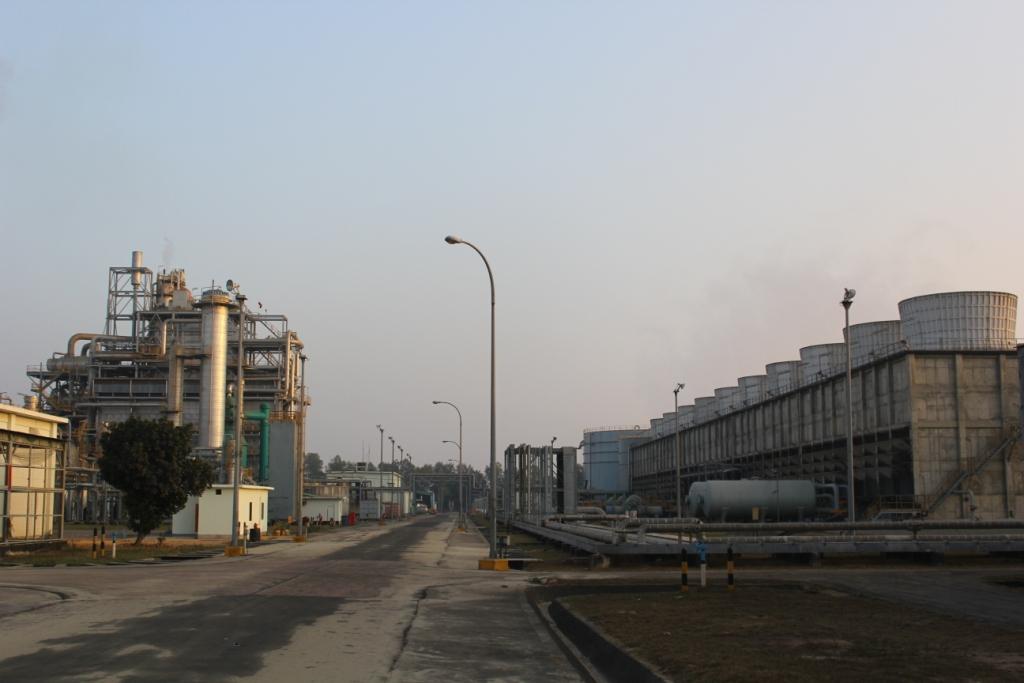
An August report by the US farm lender CoBank counted 31 ammonia plants in the Middle East that were hit by the conflict or had stopped production, and 49 plants in India, Pakistan and Bangladesh running at reduced capacity or shut for lack of feedstock. At least 20 plants in Russia, the world's largest fertiliser exporter, were damaged by Ukrainian drone attacks. Phosphate prices could stay above pre-war levels through 2028.
Farmers are already cutting back. A survey by the American Farm Bureau earlier this year found that about 70 percent of US farmers could not afford all the fertiliser they needed for their 2026 crops. Rabobank says phosphate demand fell 20 percent year on year in the fourth quarter of last year, and Brazil's fertiliser use is projected to drop from 59 million tonnes in 2025 to 41 million tonnes in 2026. Australian farmers are moving to legumes that need less nitrogen.
Regions with fertile soils, such as parts of the United States, Canada, Argentina and Ukraine, can absorb a short cut in application. A second season of reduced use, however, could hurt yields, especially if shipping restrictions last through 2027.
Rabobank says this crisis differs from the 2022 price shock, which came from changed trade routes. This time production capacity itself is damaged, and rebuilding it will need large investment and time after the fighting stops. The bank warns the situation could worsen if the conflicts go on or if damage to liquefied natural gas plants and refineries in the Middle East grows.
The report is by Rajasree Singh.
Source: Rural Voice

Comments
(0)