
Prediction markets, the exchanges where users bet yes or no on an event, are edging into agriculture, and the economists who study farm markets are of two minds. Bernt Nelson, an economist with the American Farm Bureau Federation, wrote in a June report that Kalshi added a "commodities" tab on 16 April; most of its commodity contracts concern oil and gold, and although contracts on coffee, sugar, corn, soybeans, wheat and cattle appeared earlier in the year, they had been removed by early August.
An event contract is cash-settled on a yes/no question such as "Will December corn futures go above $5 by Nov. 30?". "You're just making a peer-to-peer exchange, as low as a dollar, if you want to," said Jamey Kohake, senior risk manager at the advisory firm Pinion. The exchanges rest on the wisdom-of-crowds idea; Scott Irwin, agricultural economist at the University of Illinois Urbana-Champaign, said real money makes the crowd try harder than a survey does, and prices then adjust as information changes.
Nelson called the idea a double-edged sword: event contracts could add price information and market sentiment, but with no minimum deposit, unlike futures accounts, they invite more speculators. Kohake said uncertainty over how the markets are regulated and function within agriculture keeps many people away, and Irwin said little is known about how they sit within existing frameworks. Nelson wants to see how liquidity, price discovery and farmers' risk management would work.
The sharpest worry is insider trading. Irwin asked what would stop a USDA employee from trading on report knowledge, and pointed to the Department of Justice's case against Army Master Sgt. Gannon Ken Van Dyke, alleged to have used inside knowledge of the US operation in Venezuela to enter 13 Polymarket contracts worth $33,000 for a profit of more than $400,000; the case is unresolved. In agriculture, he noted, contracts now exist on the number of screwworm flies detected in the United States, and Polymarket lists one on the date of a confirmed US screwworm case in livestock beyond Texas, although there is no evidence of manipulation.
The potential upside is a cheaper hedge. Irwin said contracts could eventually be tied to USDA report outcomes or let farmers tailor risk plans to specific events; Kohake sees longer-term use against weather disasters, elections or interest-rate rises; Nelson wrote that they could let small and medium farms hedge with less capital than a futures position requires, provided they do not undermine the risk-management and price-discovery role of agricultural futures. Irwin does not expect them to replace grain futures, which absorb many events at once: "Price is the ultimate event." Reporting by David Geiger.
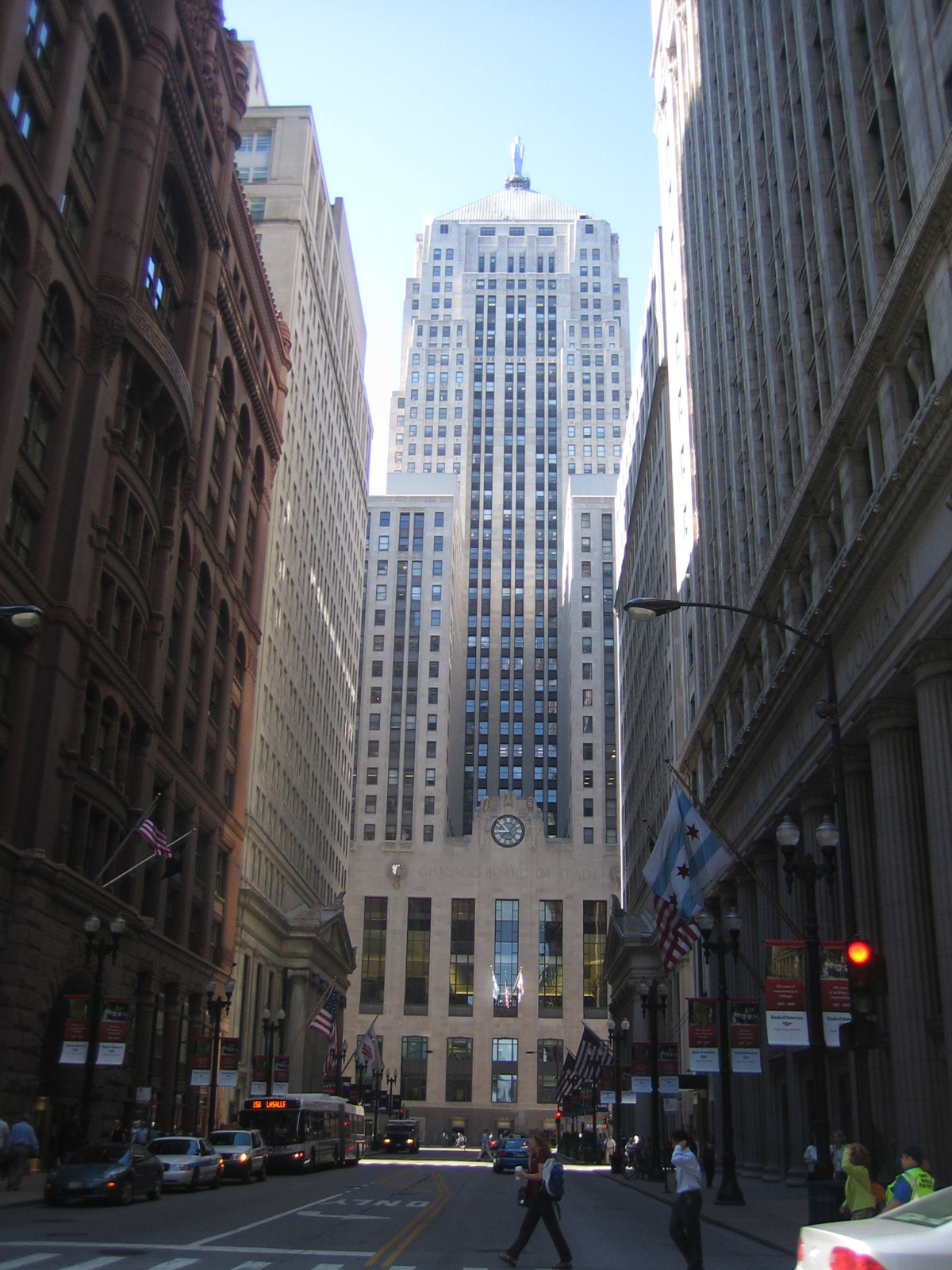
Photo: Nikopoley / Wikimedia Commons (CC BY-SA 3.0)
Source: Successful Farming

Comments
(0)