
The Pesticides Manufacturers & Formulators Association of India (PMFAI), which represents more than 220 domestic agrochemical makers, has urged the government and the Ministry of Agriculture & Farmers Welfare to reject calls from multinational companies and importer groups for a five-year Regulatory Data Protection (RDP), or data exclusivity, provision in the forthcoming Pesticide Management Bill, AgriBusiness Global reports.
The association says several ministries have examined the issue over 16 years and advised against it, and that the Parliamentary Standing Committee on Agriculture, in its 36th report in December 2021, concluded that India's 20-year patent protection, in force since January 2005, gives innovators ample time to recover research costs.
According to PMFAI, most molecules for which data protection is sought are already off-patent and registered elsewhere; granting exclusivity would reward past gains rather than new discovery, delay cheaper generics and force small and marginal farmers with one to five acres to pay 35% to 50% more for crop protection. It also calls such exclusivity a "TRIPS-plus" barrier that would weaken India's generic manufacturing and exports.
"The registration framework should not become a vehicle for securing indirectly what has previously been rejected through the legislative process," said PMFAI president Pradip Dave.
The claims are the association's; the multinational companies seeking data protection argue it is needed to bring new molecules to India, a claim PMFAI disputes.
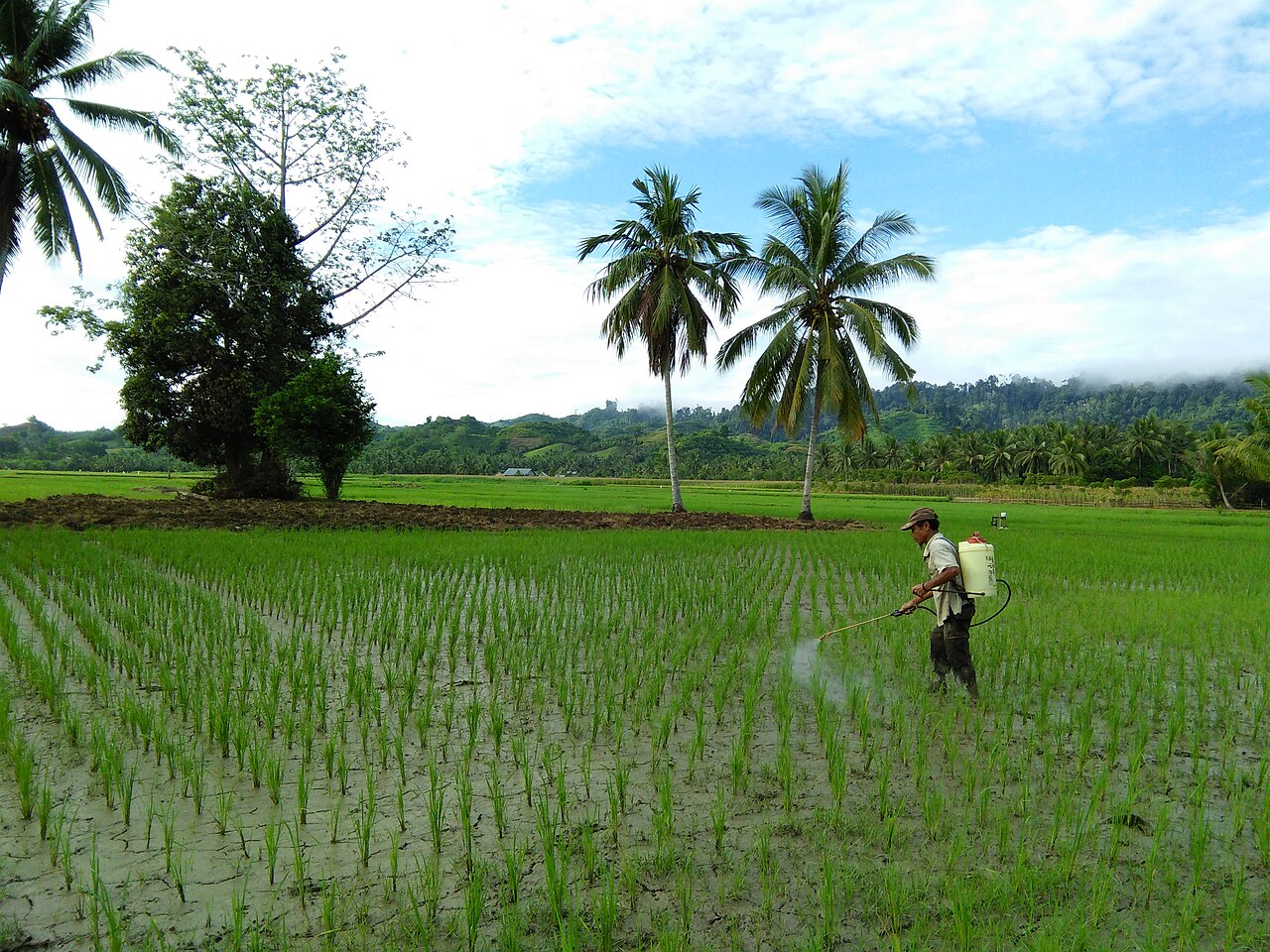
Photo: T. R. Shankar Raman / Wikimedia Commons (CC BY-SA 4.0)
Source: AgriBusiness Global



Comments
(0)