
The Philippine Department of Agriculture has vaccinated nearly 500,000 pigs against African swine fever (ASF) as it tries to rebuild a hog industry hit by seven years of recurring outbreaks, AgNavigator reports. Agriculture Secretary Francisco P. Tiu Laurel Jr. said vaccination must speed up and reach more farms if the repopulation programme is to return the industry to its level before the disease arrived.
Bureau of Animal Industry director Christian Daquigan said 499,008 of the 500,000 doses available under the programme, from 2024 to the first half of 2026, have been used, a utilisation rate of 99.8 percent. The campaign covered 54 farms in seven provinces, commercial, semi-commercial and smallholder, plus one government farm. Tarlac had the most pigs vaccinated, 287,620, followed by Batangas with 92,021 and Bulacan with 88,107; farms in Rizal, Laguna, Quezon and Pampanga were also reached.
ASF first reached the Philippines in 2019, and the national herd remains far below the roughly 13 million head recorded that year. Almost 65 percent of previously affected areas have recovered. As of 22 October, active infections were reported in 236 barangays across 23 provinces, and 716 cities and municipalities, 64.68 percent of the previously affected areas, had been reclassified as buffer or surveillance zones.
In August the bureau approved Vietnam's AVAC ASF Live Vaccine for commercial sale in the Philippines, and sales began in September. Tiu Laurel said a commercially approved vaccine gives hog raisers another tool to protect healthy animals.
Vaccination is only part of the effort. Backyard hog raisers, who are highly vulnerable to the disease, are the target of farm and community biosecurity programmes. The Community Animal Biosecurity Interventions programme, piloted in North Cotabato in 2022, has spread to Ilocos Norte and Negros Oriental and is under way in Quezon, covering 14 barangays and 258 backyard farmers with training and starter materials. A biosecurity champions training programme will expand in 2026 to 14 municipalities in Ilocos Norte and to areas of Albay and Cagayan, and the government has paid PHP49.8 million in compensation to ASF-hit farmers in eight regions.
The report is by Amanda Lim.
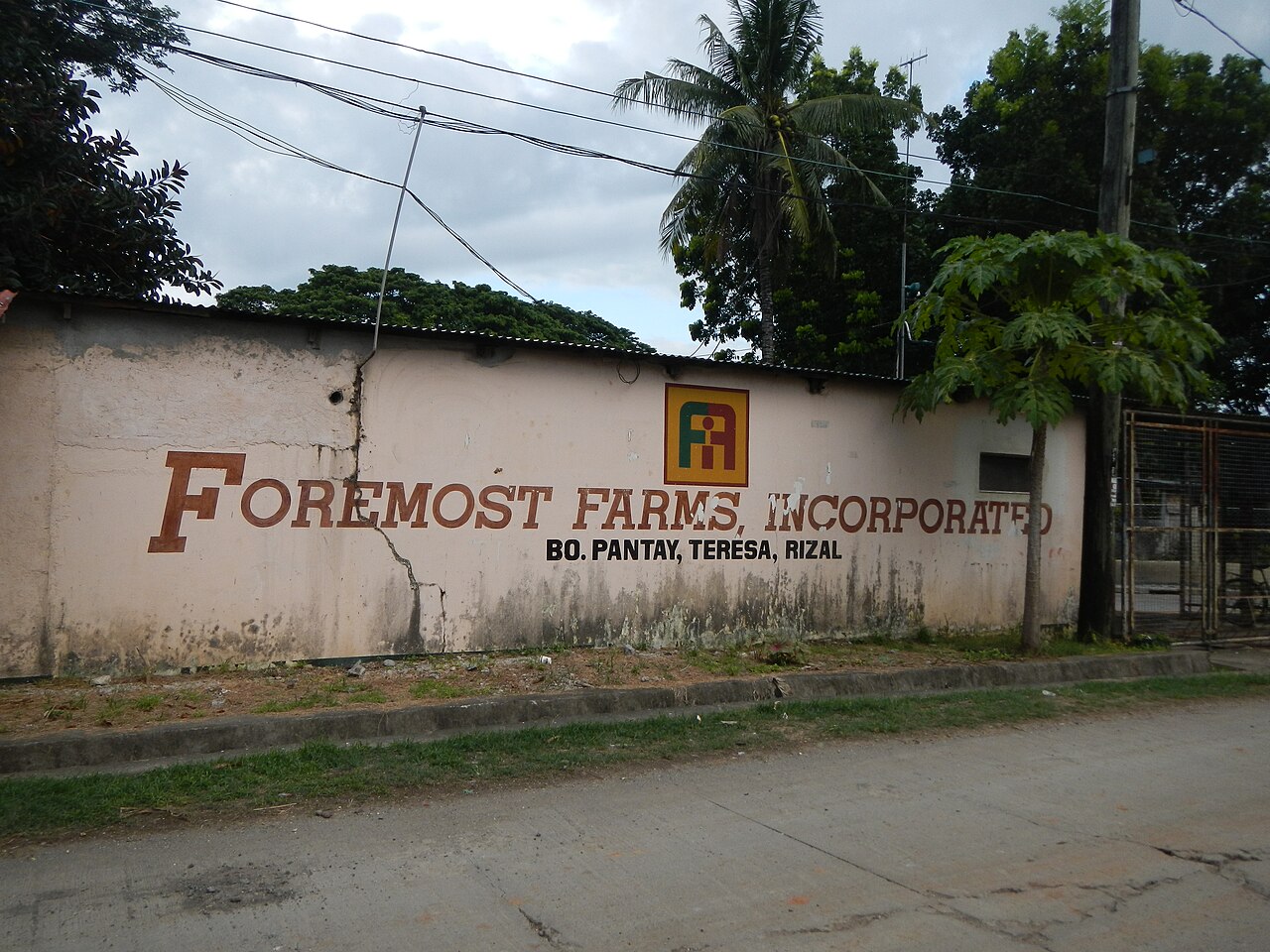
Photo: Ramon FVelasquez / Wikimedia Commons (CC BY-SA 3.0)
Source: AgNavigator

Comments
(0)