
Majedul Islam left a well-paid job in Malaysia after two years abroad and came home to Kaluhati village in Jhenaidah Sadar upazila to raise ducks. After all costs, the farm now earns him Tk 50,000 to 55,000 a month.
Before starting, he sought advice from entrepreneurs and farmers and learned the work by hand. Early last year he leased 10 kathas of land beside a canal in the village fields, built sheds of bamboo and wood, and began with 600 Khaki Campbell ducklings.
The farm now holds about 1,700 ducks of all ages, around 400 of them layers, giving an average of 350 to 380 eggs a day. He is raising another 1,200 or so Campbell ducklings. Local buyers collect eggs at the farm and the rest go to town markets; egg sales bring in about Tk 20,000 a week, and selling ducks adds more.
Keeping costs down is part of the plan. The farm has its own feed, but the ducks spend most of the day on the canal, foraging for natural food. Majedul handles feeding, vaccination and care himself, with one hired worker.
"Many people laughed when they saw me keeping ducks by a canal in an empty field, but I did not give up on my goal," he said. Vaccination, choosing feed and husbandry all had to be learned along the way, he added, and government training in duck rearing would bring more young people into the trade.
Unemployed young people from the area now visit the farm for advice. Dr Monojit Kumar Mondal, district training officer at the Jhenaidah District Livestock Office, said rearing ducks and cattle lets young people create jobs easily, and that the office gives young entrepreneurs advice and support and stays in regular contact with Majedul.
The farm shows how duck rearing can pay in villages beside canals and wetlands: free foraging cuts feed costs, and steady local demand for eggs keeps sales going. Agricare24 published the report on the basis of information from the state news agency BSS.
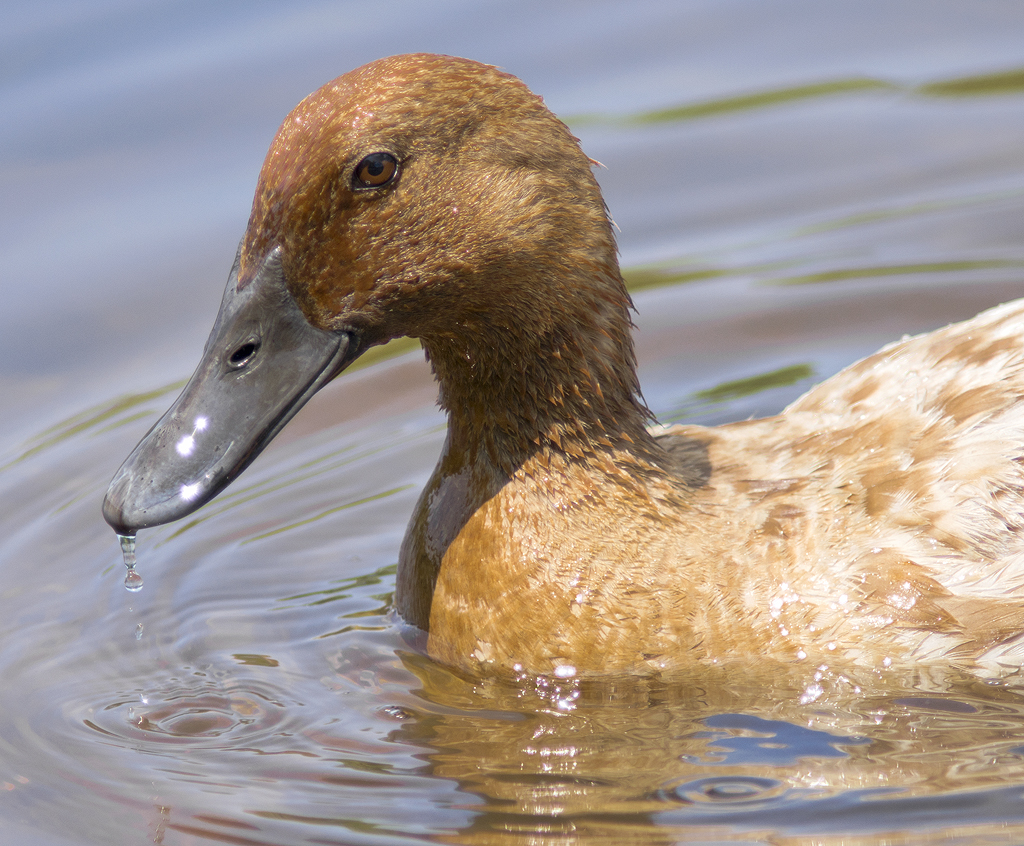
Photo: Keith / Wikimedia Commons (CC BY 2.0)
Source: Agricare24

Comments
(0)