
Researchers at Oregon State University in the United States have grown potatoes in artificial soil made to resemble the Moon's. In the laboratory they prepared a soil mix that copies the properties of lunar soil and set the test conditions with the Moon's environment in mind. Growing a fast-maturing potato in it showed that potatoes can develop there, given suitable conditions and the necessary organic matter.
The problem is food supply. For long stays in space, sending food from Earth by spacecraft every time is very costly and complicated. A permanent presence on the Moon or Mars will require food to be produced there, since large amounts of fertiliser, soil or food cannot be carried from Earth.
The Moon is hostile to farming: it has almost no atmosphere, temperatures swing widely and gravity is low. Lunar soil, called regolith, is mostly rock dust, mineral grains and material formed by long bombardment by meteorites; it lacks the organic matter and natural fertility of farmland on Earth.
To grow the potatoes, the researchers had to mix some organic matter into the soil, so a lunar-like material alone is not enough; crops need nutrients and the right conditions. The significance of the result is that, with the necessary nutrients, farming is possible even in a lunar-like setting. Technology to grow food from local resources could cut the cost of space missions considerably.
Potatoes were chosen for good reason: they are rich in carbohydrate, provide some vitamins, minerals and fibre, and can yield well in relatively little space. But potatoes alone cannot meet astronauts' full nutritional needs, and long missions will need systems to grow a range of vegetables, fruit and protein-rich foods.
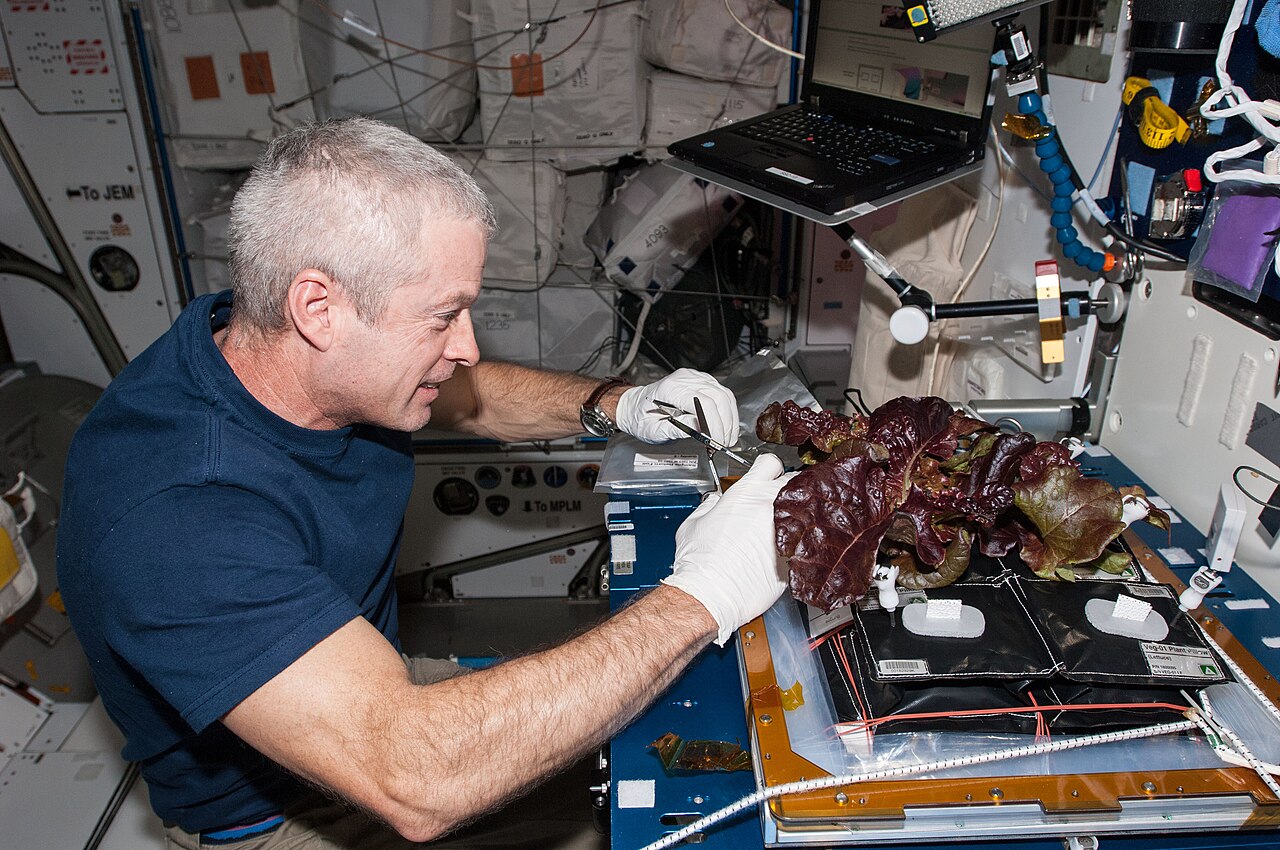
Farming in space is not a new idea. Lettuce, radishes, chillies and other plants have been grown experimentally on the International Space Station (ISS). The next big task for scientists is to adapt this laboratory work to real lunar conditions and to find which crops give the most food for the least water and nutrients.
Photo: NASA / Wikimedia Commons (public domain)
Source: Share Biz
Comments
(0)