
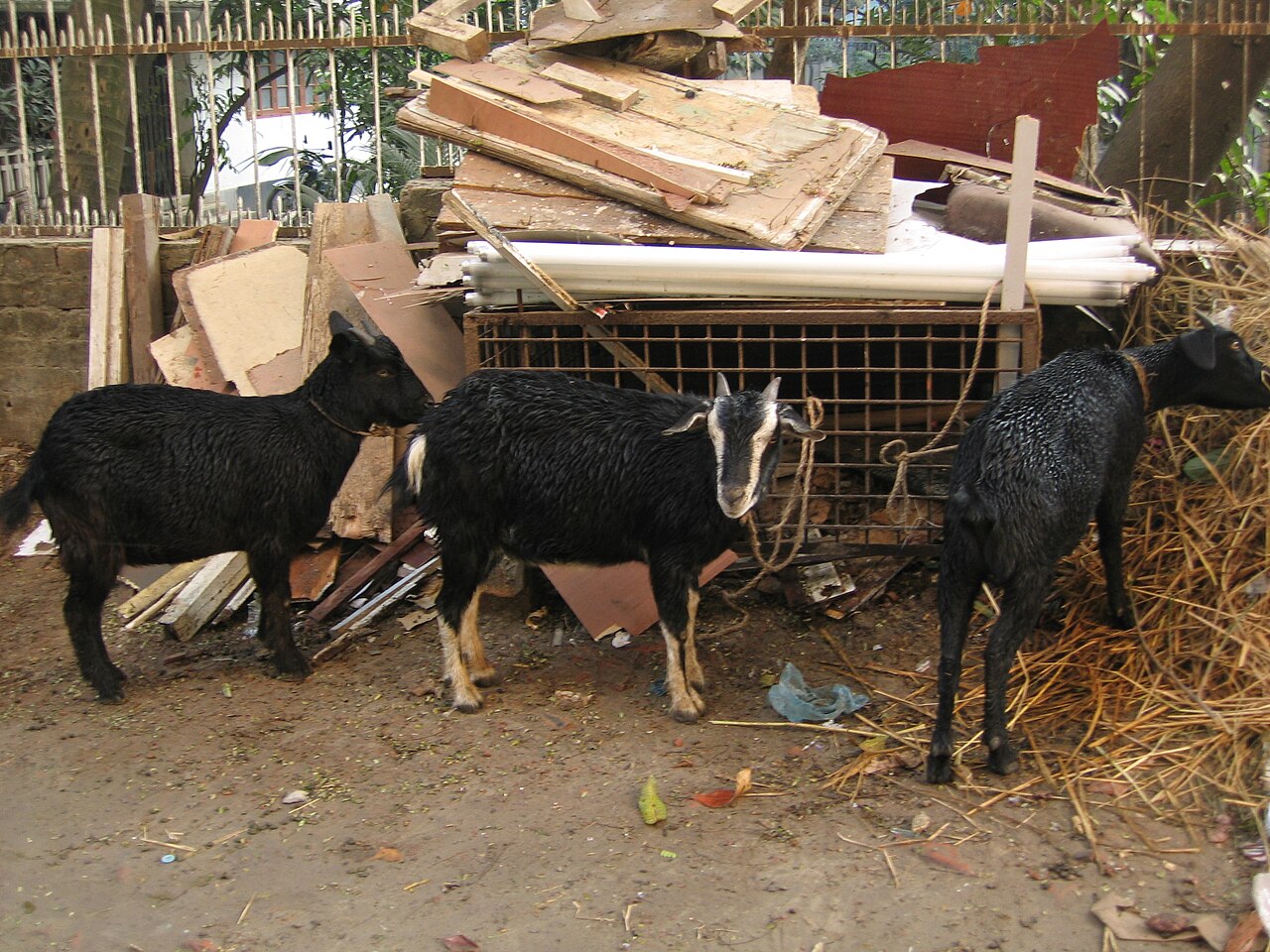
In a column published by Krishi Shomoy for National Livestock Week, Krishibid Md Samsul Alam, public relations officer at the Fisheries and Livestock Information Office, argues that with planning, modern technology, international standards and good market management, Bangladesh's livestock sector could both meet the country's demand for animal protein and become a major earner of foreign exchange. The views are the writer's own.
He writes that in the 2025-26 fiscal year the sector contributed 1.81 percent of GDP and 16.56 percent of agricultural GDP, with growth of 3.30 percent, and that about 20 percent of people depend on it directly and about 50 percent indirectly. Department of Livestock Services (DLS) figures for that year put milk output at 15.753 million tonnes (157.53 lakh), meat at 9.07 million tonnes (90.70 lakh) and eggs at 25.0941 billion.
Citing DLS data, he writes that exports of animal products and by-products earned USD 3.298 million (32.98 lakh) in the six months from September 2025 to February 2026, rising to USD 10.463 million (104.63 lakh) from March to August 2026, about 217 percent more. Meat, dairy products, yoghurt, rasmalai and other sweets, gelatin, duck feathers, cattle and buffalo horns and veterinary supplements are shipped to the Maldives, Canada, the United States, Singapore, Nigeria, China and other countries. On 28 June 2026 Kazi Farms exported 10,440 "Ross 308" broiler parent hatching eggs to Nigeria for the first time, a consignment worth about USD 19,000.
He notes that Bangladesh ranks fourth in the world for Black Bengal goats, fifth for goat meat and 14th in Asia for eggs, and that 16 animal and animal-derived products hold geographical indication status, 11 of them sweets. This year's Livestock Week theme is "Build the country with export-oriented livestock, Bangladesh first"; it runs from 26 to 28 November at the old trade fair ground in Agargaon, and National Livestock Awards are planned in nine categories.
The challenges he lists are infectious animal diseases, uncontrolled antibiotic use and weak biosecurity; a shortage of internationally accredited laboratories, modern slaughterhouses, processing plants and cold chains; production costs and the availability of quality feed; and the difficulty of meeting sanitary standards, halal certification and traceability rules.
His four proposals are: disease-free production zones, backed by quarantine, laboratories and farm biosecurity; lower costs and higher productivity through better breeds, balanced feed and technology; public-private partnership, cooperative and contract farming, easy credit, insurance and export incentives, with a separate export and branding strategy aimed at the halal market; and turning by-products such as horn, bone, hide, feathers and gelatin into high-value goods.
Photo: Ragib Hasan / Wikimedia Commons (CC BY-SA 4.0)
Source: Krishi Shomoy

Comments
(0)