
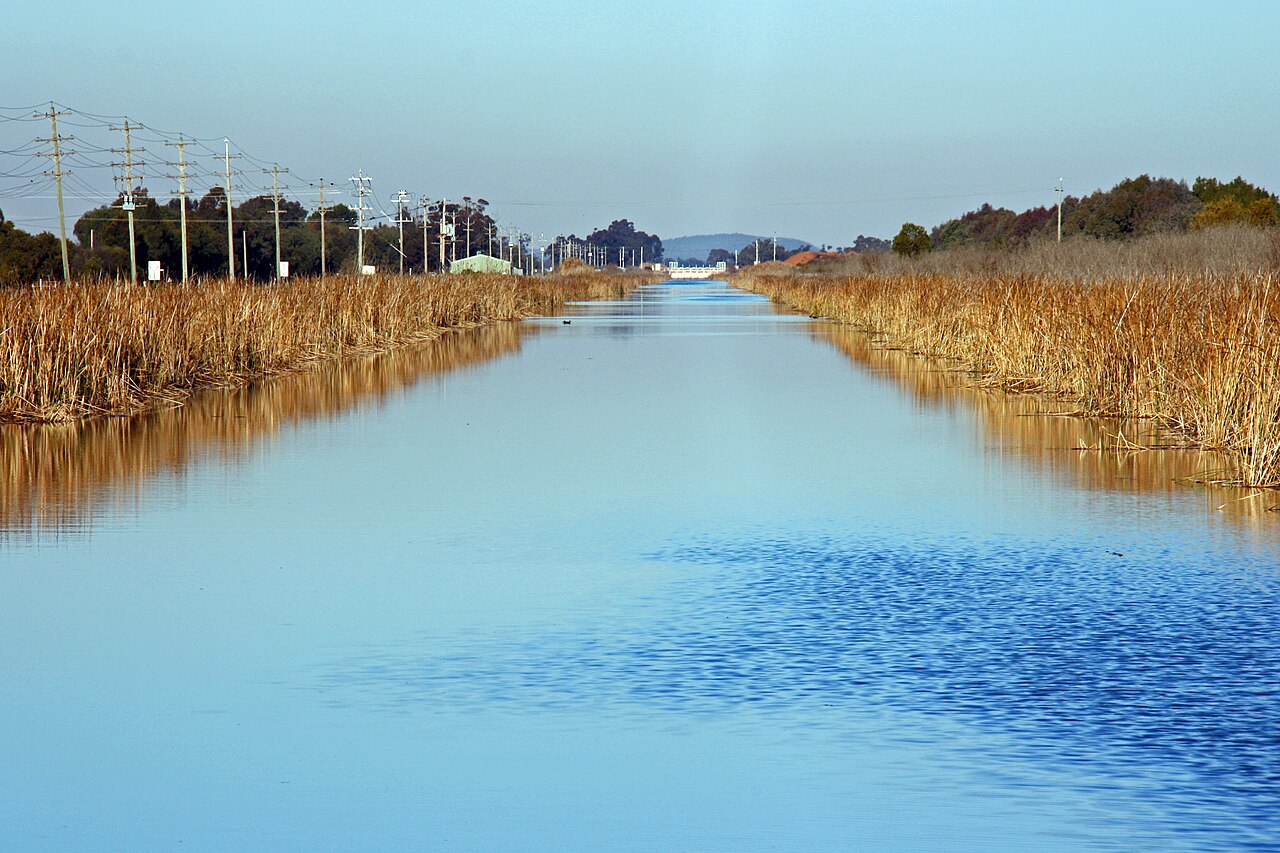
Irrigators and the One Nation party are calling for water held for the environment in the Murray-Darling Basin to be made available for farming this season, as a dry year and El Niño shrink the summer crop. The Commonwealth Environmental Water Holder manages a portfolio of more than 3,200 gigalitres bought to improve the basin's health.
SunRice, Australia's largest rice processor, laid off 80 workers at its Leeton and Deniliquin mills last month because of low crop production and has asked the federal government to consider selling some environmental water to irrigators this summer. David Farley, One Nation's member for Farrer, put a motion to federal parliament last week proposing that 75 percent of available environmental water be allocated to irrigators through a "transparent and market-based process", and wants an answer by early October, before summer planting. "Miss it and our regional economies contract for another year, catch it and they respond immediately," he told parliament.
Simon Banks, the Commonwealth Environmental Water Holder, said the government's entitlements are subject to the same allocation rules as irrigators' and shrink in the same dry years. Federal water minister Murray Watt said in a statement that policy "ensures water is sold fairly and without bias, when and where it won't harm the environment, rather than just picking winners". Craig Wilkins, co-director of the Murray-Darling Conservation Alliance, rejected the idea that environmental water is "just sitting there doing nothing" and said wetlands need it this summer to protect birdlife under El Niño and bird flu.
ABARES' September crop report forecasts rice production falling a further 22 percent to about 130,000 tonnes, with cotton planting down by a third because of the dry season. Recent rain has lifted allocations for general-security licences by 10 points to 28 percent of entitlement in the NSW Murray valley and by 7 points to 41 percent in the Murrumbidgee.
At Burraboi, Brian and Alex Martin have set aside 60 hectares for rice; since water buybacks began, an estimated half of the irrigated farmland in the Edward Kolety-Wakool region is no longer irrigated, which Martin said has hollowed out the towns. "Unless they want to stay out of the water buybacks or sell some water back to us, you'll see a definite trend in the price of food and cost of production," he said. Berrigan farmer Noel Baxter will put his larger allocation into cotton and maize rather than rice, which he has not grown for 25 years because water has become scarce and expensive; uncertainty over water, he said, means many growers no longer plant summer crops at all. Reporting by Emily Doak; ABC's own photographs are not reproduced.
Photo: Tim Keegan / Wikimedia Commons (CC BY-SA 2.0)
Source: ABC Rural
Comments
(0)