
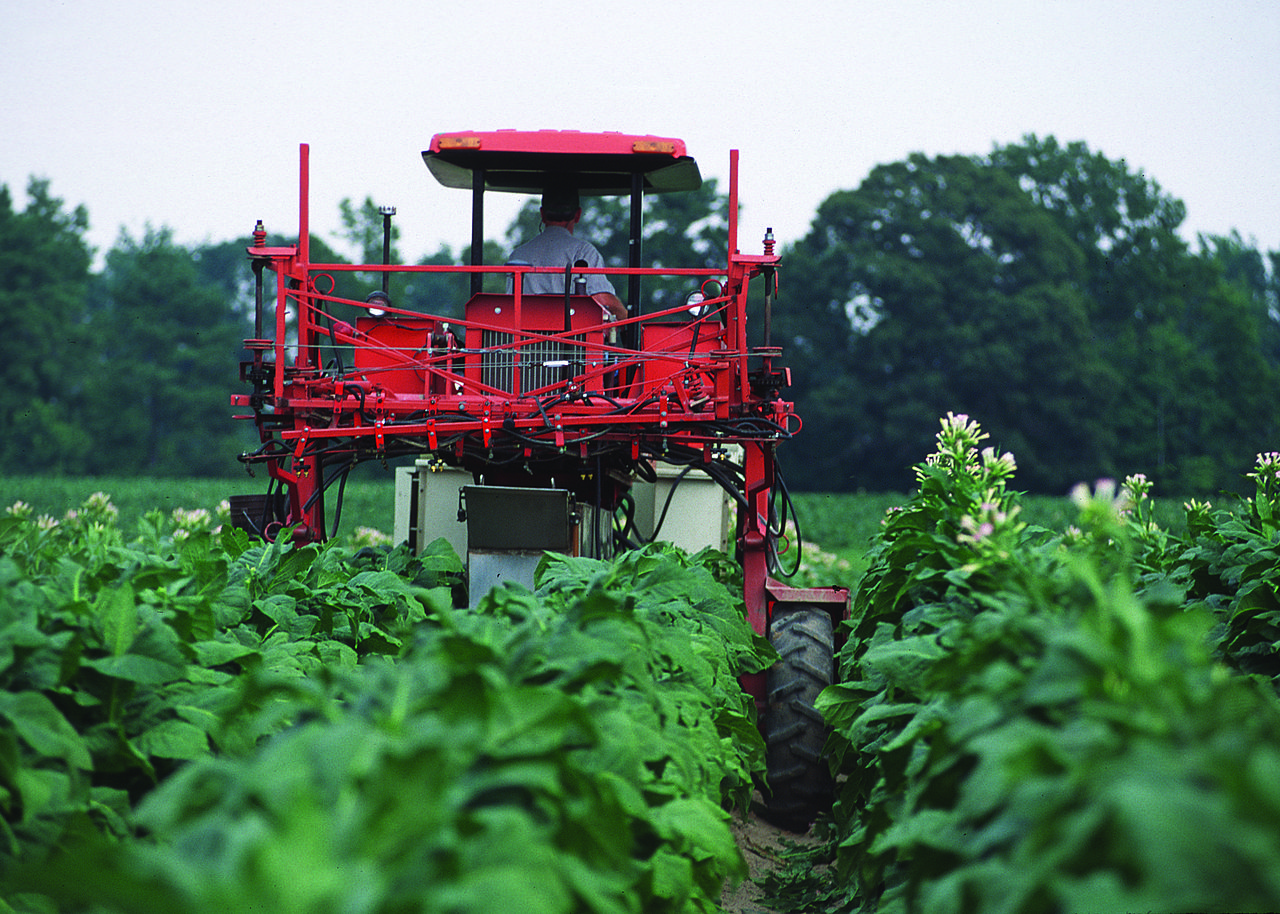
North Carolina will have roughly US$54 million to spend on farmland preservation in the coming year — nearly half of everything the state has committed to the effort over the past two decades, according to Commissioner of Agriculture Steve Troxler.
The money comes through the newly enacted state budget and is largely a one-time appropriation: almost US$47 million in one-off funds, Troxler said, alongside US$2 million in recurring money. It follows several years in which the programme had little to spend. In his 21 years working on farmland preservation the state has spent about US$108 million in total; "now we're going to spend half of this in this coming year," he said, calling the allocation "a big win for the ag community".
Troxler has long described the disappearance of farmland as the biggest threat to the future of agriculture in the state. North Carolina ranks second in the nation for the probability of farmland loss between now and 2040, he said, with data-centre construction and housing driving conversion across every county, including rural ones.
He pointed to the Interstate 85 and Interstate 40 corridor as the clearest evidence of the pace of change. On a recent drive between Greensboro and Raleigh, he said, he counted only two agricultural fields visible from I-40, and one of those was "iffy".
Even with the larger budget, Troxler said the state is not preserving land fast enough to offset what it loses. "So we can't do it fast enough, and we've got to pick the pace up," he said.
AGDAILY says the article was prepared with automated tools and human research and verified by its editorial team.
Photo: Bob Nichols, USDA Natural Resources Conservation Service / Wikimedia Commons (Public domain)
Source: AGDAILY
Comments
(0)