
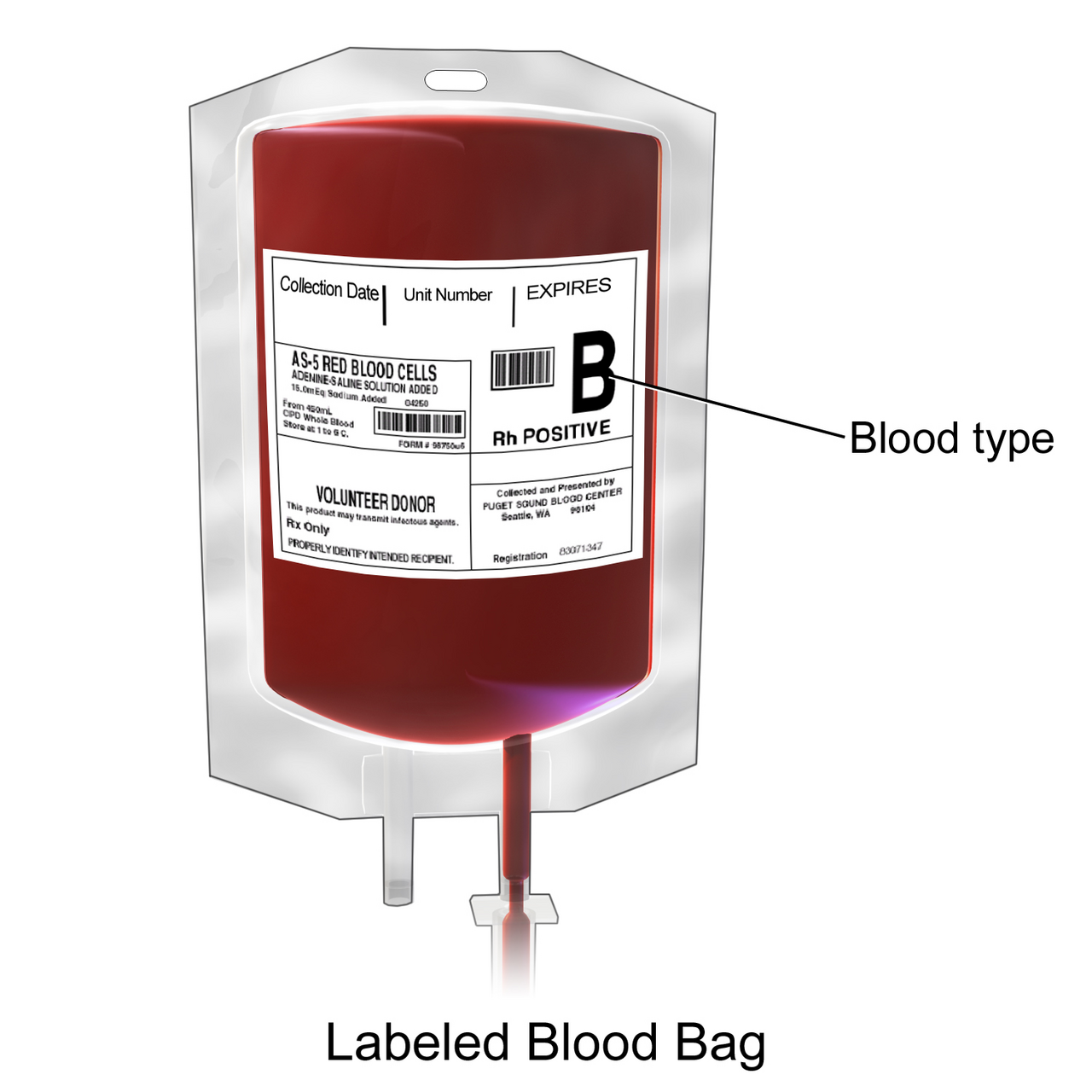
Nandita Pal was diagnosed with congenital thalassaemia at the age of three: her red blood cells break down early, so she will need other people's blood all her life. At first her family mistook it for anaemia or jaundice and spent time and money on village healers, charmed water and amulets. Only when she was taken to Cox's Bazar Memorial Hospital at nine did they learn in detail how thalassaemia is treated. She told her story to Prothom Alo.
Even then, regular treatment was out of reach. She should have had transfusions at regular intervals, but sometimes went months without, and her haemoglobin fell to four or five. In class five her enlarged spleen had to be removed. She did not grow properly and classmates laughed at her, but she never thought of giving up her studies.
Money troubles took the family back from Chittagong to Fulgazi in Feni, where she passed her SSC and HSC. In 2010 she entered Chittagong University, starting with a Tk 700 tuition job; to support a younger brother who also has thalassaemia and a younger sister, she also worked as a salesperson at Aarong, standing six hours a day. A childhood ear problem worsened into hearing loss and she now uses a hearing aid; she could not afford the operation a doctor in India advised, which would cost about 2 million Indian rupees.
After finishing her master's in 2016 she faced humiliating remarks at job interviews, and at work was passed over for responsibility and promotion as a woman and as someone with a chronic illness. Still she worked with Rohingya and host communities in Cox's Bazar and on jobs for people with disabilities. She now works for ActionAid Bangladesh on women's protection in a Ministry of Women and Children Affairs project in Bandarban. Between 2023 and 2025 she also had operations for a liver tumour, her gall bladder, tonsils and appendicitis.
Many people gave blood when she needed it, she says; a teacher at BEPZA Public School and College, Momin, once rushed to donate himself, and many teachers refused fees for private tuition. Families should not treat a child with thalassaemia as a burden or stop her schooling, she says; Bangladesh needs effective steps to make thalassaemia testing compulsory before marriage, and treatment, medicines and blood should be easier for patients to get.
The point of her story, she says, is that people can live with a long-term illness: however hard each day is, it is possible to fight on and live.
Photo: BruceBlaus / Wikimedia Commons (CC BY 3.0)
Source: Prothom Alo

Comments
(0)