
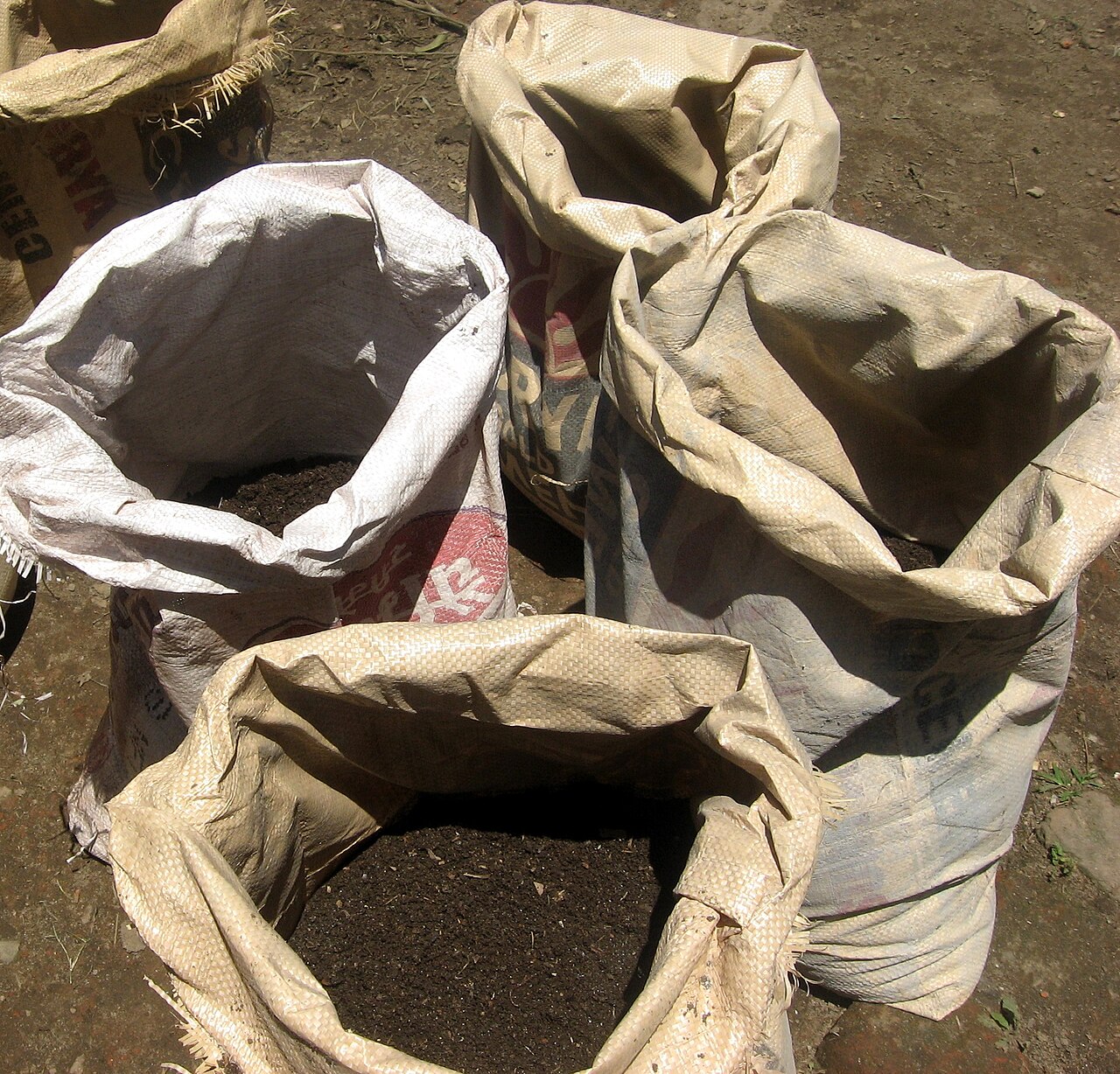
Vermicompost, or earthworm compost, has become a familiar answer for farmers who want to rely less on chemical fertiliser and improve their soil. It is made by feeding earthworms cow dung, leaves, straw, water hyacinth and other biodegradable material, and it can be produced in a small space at home or on a farm.
Agriculture specialists say vermicompost carries a range of plant nutrients and beneficial microorganisms, which is why it helps improve soil quality. It is also an easy way to deal with a farm's organic waste.
Two kinds of worm are commonly used, the local earthworm and the red worm. The red worm, Eisenia foetida, is preferred for fast commercial production, though local earthworms also play a part in keeping local soils healthy.
There are three ways to make it: a pit, a tank and a bed. The bed method is the most popular with farmers and small entrepreneurs because it is cheap and simple. A bed about four feet wide and roughly a foot and a half high is built on a concrete floor or other suitable spot, and the organic material is laid on it in layers.
The biggest caution concerns the dung. Fresh cow dung placed directly on the worms produces too much heat and can kill them, so it should be left for a few days to cool, then mixed with straw, water hyacinth, weeds and leaves and allowed to decompose partly. Only then are the worms released onto the bed.
Water must not stand on the bed, but it must not dry out either: sprinkling water regularly as needed keeps it moist. The bed also needs shelter from direct sun and excess heat.
Production can start on a small scale with local dung and crop waste and no major infrastructure. Compost beyond what the farm needs can be sold to neighbouring farmers or nurseries. For commercial production, specialists say, more attention is needed to choosing the right worm, controlling moisture and temperature, preparing the raw material properly and storing the finished compost.
Photo: Mousumi / Wikimedia Commons (CC BY 3.0)
Source: Agricare24
Comments
(0)