
Europe's crop protection industry has invested €2.9 billion in biopesticide innovation, reaching 73% of the €4 billion it has committed to invest by 2030, the trade body CropLife Europe said, while warning that slow approvals are keeping the new products away from European farmers.
It currently takes an estimated 7 to 10 years to bring a biological pesticide to the European market, the association said. In the United States and parts of Asia approval can take around three to four years, and in Brazil considerably less. European farmers therefore wait far longer than their competitors for new biological tools.
The figures were released as the European Parliament negotiates the European Commission's Food and Feed Safety Simplification Package, also called the Food and Feed Safety Omnibus. CropLife Europe welcomed the steps already proposed to ease access to biocontrol, including a definition of biocontrol in law, and asked for more: a clear and future-proof definition, more efficient and predictable approval procedures, and enough resources for regulators to carry out timely, science-based assessments.
"Our sector is delivering on its investment commitments. Now Europe needs to ensure that this innovation can reach farmers without unnecessary delays," said Olivier de Matos, Director General of CropLife Europe. "We cannot ask farmers to adopt more sustainable practices without ensuring they have timely access to the tools that can help them do so."
The European Commission has acknowledged that limited resources contribute to the delays, the association noted. For the industry, it said, the bottleneck is not only a regulatory question but one of whether European investment in agricultural innovation turns into practical tools for European farmers, while keeping Europe's standards for human health and the environment. With the right regulatory framework and adequate implementation, it said, Europe can speed access to biocontrol without lowering those standards.
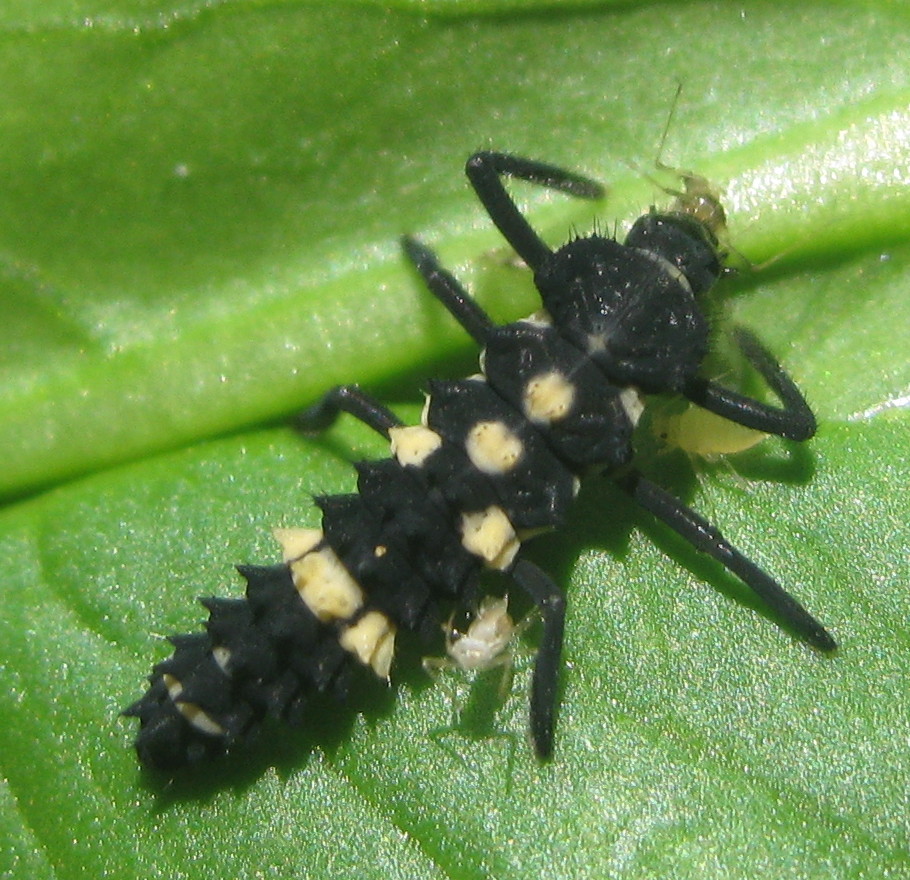
Photo: Ton Rulkens / Wikimedia Commons (CC BY-SA 2.0)
Source: Global Agriculture

Comments
(0)