
Combining mineral fertilisers with organic inputs, soil biology and precise irrigation can raise nutrient-use efficiency and protect farm margins, speakers told the two-day SADC Plant Nutrition Symposium in Stellenbosch, South Africa, which opened on 19 November.
The organiser, Dr Michael Southwood, an independent consultant and owner of Southern Cross Trust, said the aim was to take plant nutrition "from world-class research to your soil and crop". The first day dealt with fitting fertiliser into regenerative production without short-changing the crop, and the recurring message was that mineral fertiliser remains necessary but can be used more efficiently.
Gavin Olsen of Radicle Group said organic and mineral fertilisers are not mutually exclusive: organic inputs build soil carbon and microbial biomass, and enriched products combine both. "Baseline NPK remain essential for yield," he said, adding that the right mix depends on soil, crop, transport cost and the return per plant-available kilogram of nutrient. Marc Slabber of Talborne Organics warned that farms can keep their yields while their soils become steadily more expensive to manage. "The soil is productive capital. Maintain it," he said, adding that the farmer must be better off too, not just the soil.
Dr Pieter Raath of Labserve Laboratories urged growers to correct soil acidity before planting orchards and vineyards that may produce for 20 to 30 years, mixing the lime requirement into the future root zone during soil preparation, because lime is hard to work in once trees are planted. He advised using an accredited laboratory and asking for the extra acidity test, saying the Eksteen method offers a simple, proven way to calculate actual lime needs.
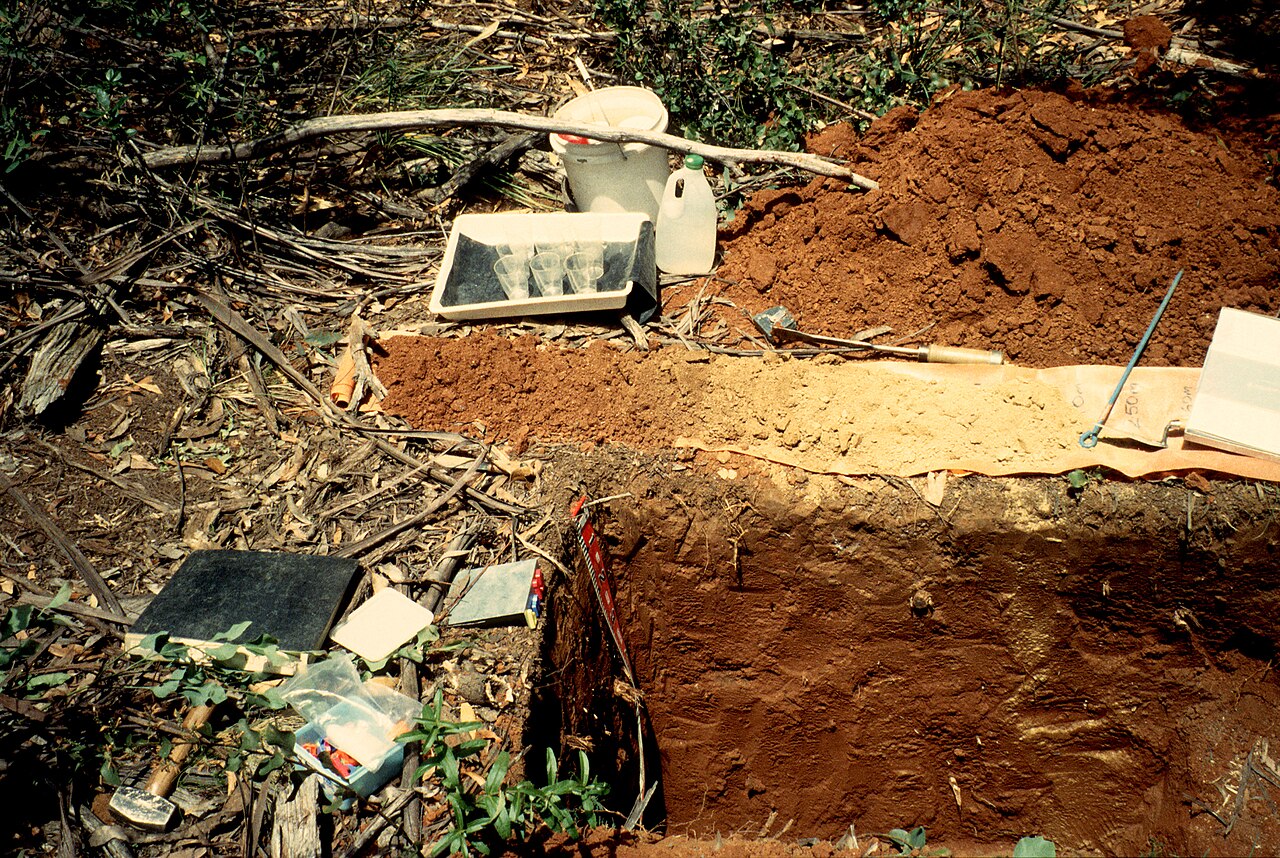
Agronomist James Dick of Crop Walker Consultancy told farmers to dig profile holes to see the effective root depth, root growth and water movement, and to know how much nutrient their soil can hold; fertiliser should follow crop stages such as bud break, flowering and fruit set rather than a calendar. Christo van der Westhuizen of Netafim South Africa said slower, controlled irrigation keeps water and dissolved fertiliser in the root zone. In a Netafim citrus case study, 20% over-irrigation cost R4,346.21 a month in unnecessary spending.
Michael Koch of Haifa Group said controlled-release fertilisers, which use a coating, release nutrients at a predictable rate and are not the same as slow-release products, whose release depends on microbes, soil chemistry and moisture. They can reduce losses in dry El Nino conditions but cannot replace water. Lauraine van Zyl of 9Five Integrated Nutrient Systems said soil microbes support nutrient cycling, carbon storage and soil structure: "Biodiversity is not decoration; it's functional insurance." The report is by Clayton Swart.
Photo: P.Ryan, CSIRO / Wikimedia Commons (CC BY 3.0)
Source: Farmers Weekly South Africa



Comments
(0)