
Khandaker Badiuzzaman Bulbul
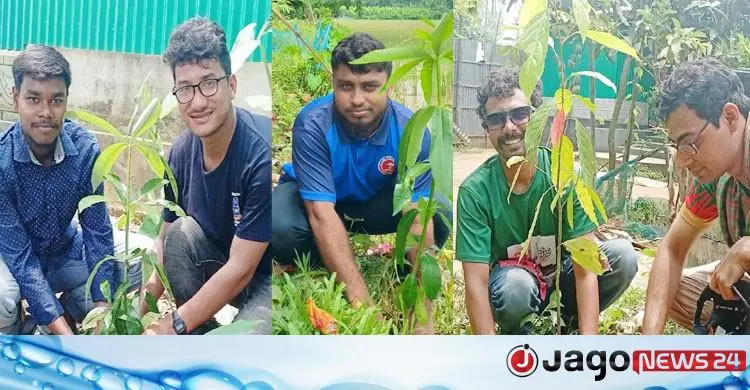
We walk through the forest carrying fruit and ornamental saplings in our hands. The sun beats straight down on us. The forest should be cool, but it is not; we are gasping in the heat and cannot keep walking without rests. Still, we stop at different places, dig the red soil with spades and plant environment-friendly trees. We plant trees at mosques, temples, churches and homes, and give advice on protecting the forest.
There are very few trees inside the forest. Pineapple and banana plantations rule. When I heard the decision to plant trees in the Madhupur tract, I said, "There are trees in the forest already. Let's plant where there are none, or few." Environmental activist Ratul bhai smiled a little and said, "The forest is no longer a forest. There is no alternative to planting trees if the Madhupur tract is to come back to life."
A forest on its deathbed
Seeing the scorched state of the forest, I felt some tenderness towards the sal forest. Human aggression has left it on its deathbed. It was once the mainstay of the people of this region; over time that has gone. The Madhupur forest is the country's third-largest forest area. It once stood proudly, but aggressive human behaviour has shrunk it drastically. In this forest, famous for its sal trees, it is very hard to find an old sal tree.
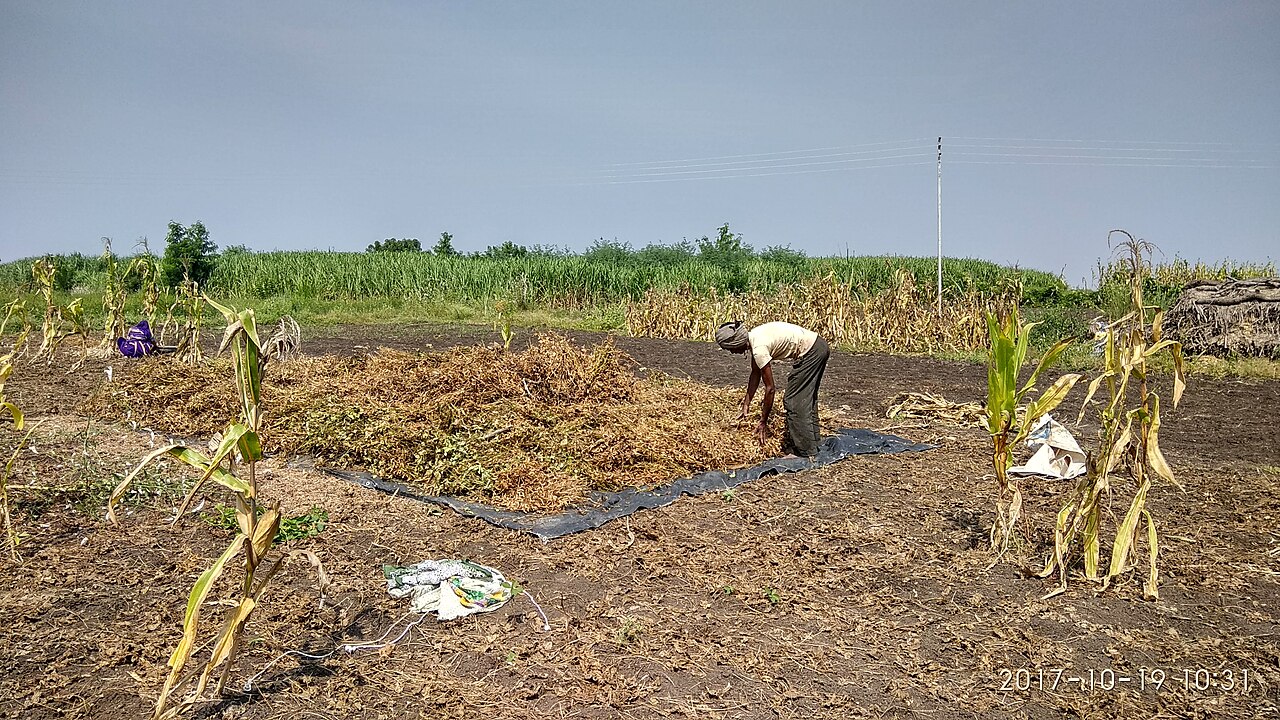
Acre after acre of sal forest has been cleared for pineapple. Papaya, turmeric and other crops are grown freely as companion crops, using excessive hormones, pesticides and uncontrolled fertiliser. This upsets the balance of nature and endangers the environment. Sal and associated trees have also been cleared to plant eucalyptus and acacia (akashmoni), which are harmful to the environment. Buildings are going up in the heart of the forest.
Any conscious person would be shocked to see the real wounds inside the forest. The sal forest is being destroyed indiscriminately under the nose of the administration, as if no one is watching. Sometimes it is set on fire; sometimes the bark is stripped and salt, soda or chemicals are applied to push the trees slowly towards death. With such novel methods, land grabbers are comfortably seizing the forest.
The forest lost its beauty and splendour long ago, along with its valuable trees and wildlife. Leopards, elephants, wild buffalo and peafowl once lived in the Madhupur forest, but they are no longer seen. With fewer trees, the region, like the rest of the country, is feeling the adverse effects of the weather. Excessive rain, drought and unbearable heatwaves are making life miserable.
What must be done
Tackling the adverse weather and saving the sal trees and sal forest of the Madhupur tract needs a collective effort. Just as the joint actions of people in the region are exhausting the forest, they are also the ones best placed to revive it. Those who have occupied the forest to grow crops are big fish. They must be resisted firmly. We must love the forest.
Forests are an inseparable part of nature. They do not just supply our oxygen; they give wildlife shelter and food, and their natural and wild fruit help meet our nutritional needs. Protecting the forest needs proper enforcement of the law, so that no offender goes unpunished. The state must also act to stop further encroachment, and turn its attention to recovering the forest that has been lost.
The writer is a student at Ananda Mohan College, Mymensingh.
Source: Jagonews24. First published in Bengali on The Agro News.
Comments
(0)