
Fonterra's senior management says it is confident of meeting the climate targets it set for its own processing operations by 2030, but admits the goal that covers emissions from its farmers' paddocks is the harder half of the job. Speaking at the release of the co-operative's 2026 annual result, the executives said Fonterra remains "100% committed" to its emissions reduction targets.
The co-operative is working to two numbers. It has a target of reducing the on-farm emissions intensity of its dairy by 30%, and of cutting absolute Scope 1 and 2 emissions — the fuel it burns and the energy it buys — by 50.4% by 2030, both measured against a 2018 baseline.
In 2026 the co-op recorded a 6.2% reduction in the intensity of its Scope 1 and 3 dairy greenhouse gas emissions and a 28.7% cut in absolute Scope 1 and 2 emissions from that 2018 base year.
Chair Peter McBride said the farm-level target is banking on new technologies passing regulatory approval and then being taken up by farmers — two steps a processor cannot take on a supplier's behalf. "Farmers are focused on it, 96% of our farmers have done their GHG emissions report," he said. "It's a challenge and we are investing heavily as well," he added, a reference to Fonterra's work with the AgriZero NZ joint venture.
On the emissions Fonterra controls directly, chief executive Richard Allen said the past five years have brought significant progress in the decarbonisation of its plants, with the company moving out of coal in the North Island and making headway in the South Island. "In our capital plans and capital forecast we are planning on completing that Scope 1 and 2 reduction," he said, describing the projects as complex but going well.
Allen framed the factory work as more than a climate commitment. "It's as much about emissions reductions now as it is about energy resilience," he said. "For us, this journey is about ensuring as a co-op we have the right energy in the right place to ensure we can process our farmers' milk for the years to come."
The split Fonterra describes is the one facing every large dairy processor: the boiler can be changed with capital, while the cow cannot, and the Scope 3 number will move only when approved tools reach the farm gate.
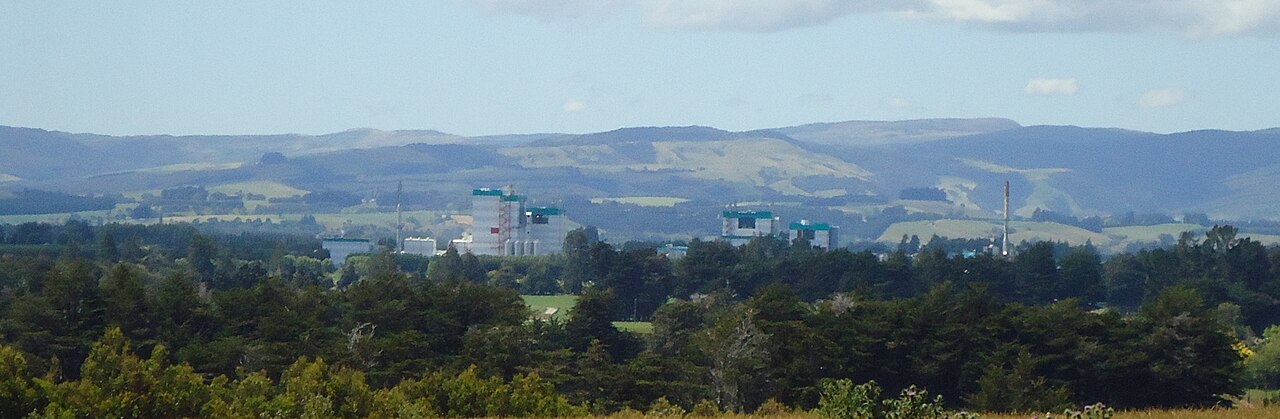
Photo: Daveosaurus / Wikimedia Commons (CC BY-SA 3.0)
Source: Farmers Weekly NZ
Comments
(0)