
By Naima Tasnim
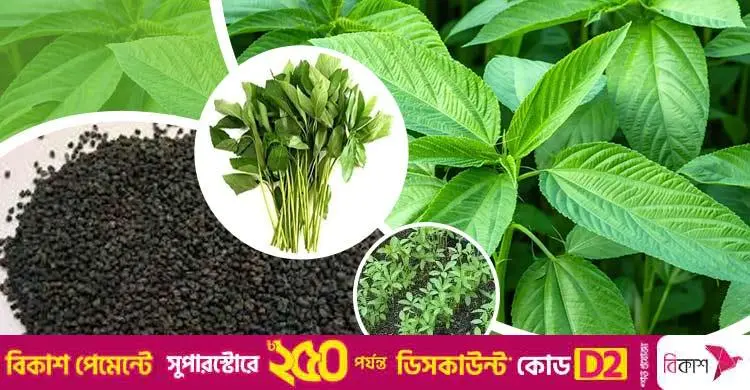
Jute, the "golden fibre", has deep historic importance in Bangladesh's farming. But a shortage of quality seed has become one of the main challenges for jute growers. Bangladesh needs about 6,000-7,000 tonnes of jute seed every year. BADC supplies only 10-12 per cent of demand, about 1,300 tonnes, through government channels, and about 4,500-5,000 tonnes are imported privately each year to meet demand. Against this background, late (nabi) jute seed production is becoming an important subject. It is known as a modern method of producing jute seed.
Sowing seed
Jute seed should be sown between the start of Srabon (mid-July) and the end of Bhadro (mid-September). In lines, sow 10g of seed per decimal, or 2.5kg per hectare; broadcast, sow 16g per decimal, or 4kg per hectare.
Planting stem cuttings
In Srabon (mid-July), select stems and tips from healthy, vigorous mother plants in the fibre crop that have not yet flowered but will flower within a few days. Cut them at a slant, 20-25cm (8-10 inches) long, with a sharp knife or blade. Planting the tips on a cloudy day or in the late-afternoon sun is best. Plant them in rows 30cm (1 foot) apart, with 10cm (4 inches) between tips. Push about 5cm (2 inches) of each tip into the soil at a 45-degree angle.
Raising and transplanting seedlings
Sow 50-100g of seed in a seedbed during Srabon. Seedlings are ready to transplant at 25-40 days old. Seedlings from seed sown in Srabon can be transplanted from Bhadro to mid-Ashwin. Lift the seedlings from the seedbed and keep them in the shade. Leave two or three leaves at the tip of each seedling and cut away the rest with scissors, leaving the leaf stalks. It is best to transplant into the main field on the same day the seedlings are lifted. Keep rows 1 foot apart and about 4 inches between seedlings.
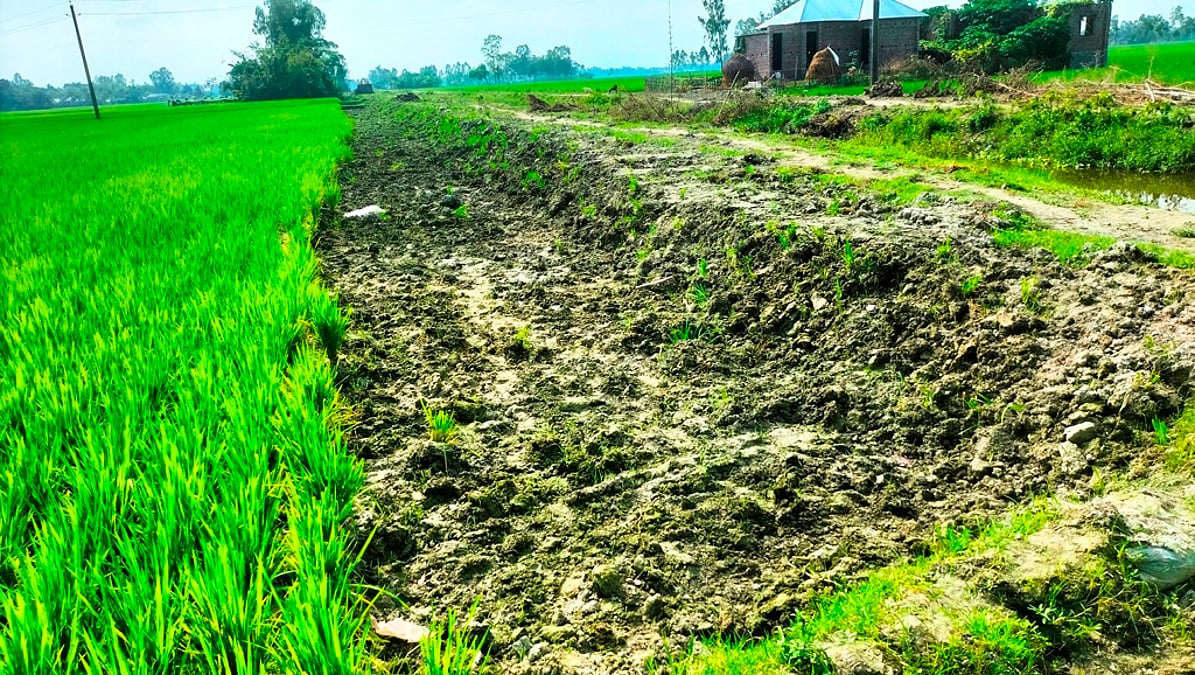
Late jute seed production produces seed at low cost and in a short time. The technology is quite sustainable, but its main problem is the availability of land: very little land suits a jute-seed-based cropping pattern. Farmers can therefore meet their own seed needs by growing jute as a companion crop with chilli, radish and winter vegetables, and by planting seedlings around the edges of winter fields.
Harvest and storage
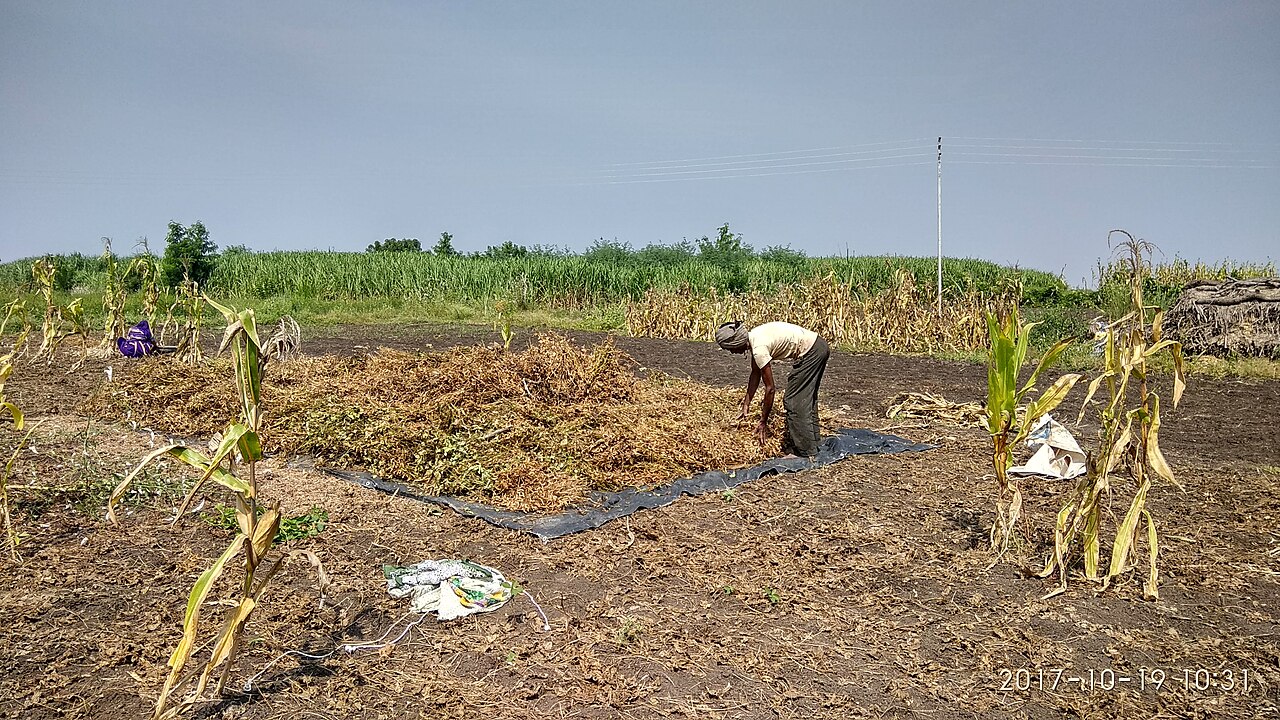
For both deshi and tossa varieties, harvest by cutting plants at the base when 50 per cent of the pods have turned brown (80 per cent for Falguni tossa).
Seed keeps well when its moisture is below 9 per cent. Most farmers in Bangladesh are smallholders with small quantities of seed, so they can store it in airtight containers such as tin boxes and plastic cans.
Through late seed production farmers can produce quality seed, which will help reduce dependence on imports and secure seed supply at national level. But this needs adequate government support, training and infrastructure development.
The writer is a scientific officer at the Bangladesh Jute Research Institute.
Source: Jagonews24. First published in Bengali on The Agro News.

Comments
(0)