
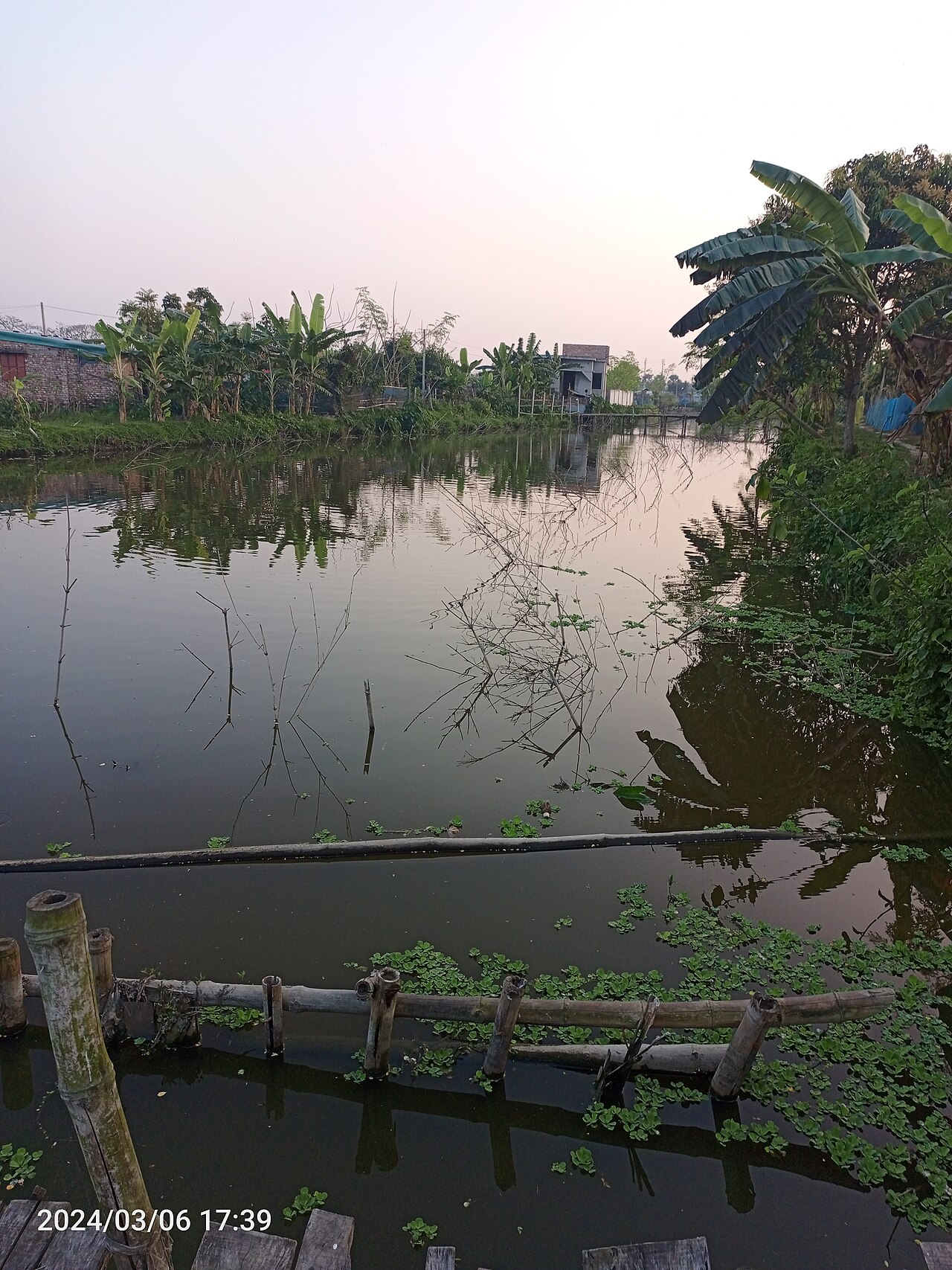
The Department of Agricultural Extension (DAE) has sent the agriculture ministry eight recommendations to end waterlogging in Khulna, most of them about re-excavating key canals. DAE Khulna's deputy director Md Nazrul Islam sent them to the ministry last month.
By the department's count, about 9,764 hectares in Khulna district lie fallow because of waterlogging, which holds back boro rice in the rabi season. When water cannot drain in the monsoon, vegetables, chilli, watermelon and aman seedbeds suffer too. Heavy rain in mid-July this year damaged aus, summer vegetables, chilli, watermelon and transplanted aman seedbeds; vegetables alone were lost on about 235 hectares.
The canals named for re-excavation are: 1.5 km from Hamkura to the Mayur river, 4 km from Horhoria to Madhugram, 2 km of the Narayan canal from Katenga to Tolna, 25 km from Baruna beel to Hoglakhati, 3 km from Rudaghara to Madhugram, 800 metres from Beel Tawalia to Keoratala, and 5.5 km of the Adir canal.
The department lists many reasons the water lingers: excessive rain, the silting of the Chandkhali canal, mismanaged sluice gates at Paikgachha, government-owned canals not kept open, fewer outlets from low land, weaker flow in the Atharobeki river and unplanned shrimp enclosures. The depth of Naronia beel and badly planned roads, bridges and culverts also block drainage, officials said.
Alongside the canal work, the DAE has urged quick, effective steps to improve drainage. Bringing the waterlogged land back into use would return boro and rabi cropland to Khulna's farmers. The report is by the Agricare24 desk.
Photo: Nasim331 / Wikimedia Commons (CC BY-SA 4.0)
Source: Agricare24


Comments
(0)