
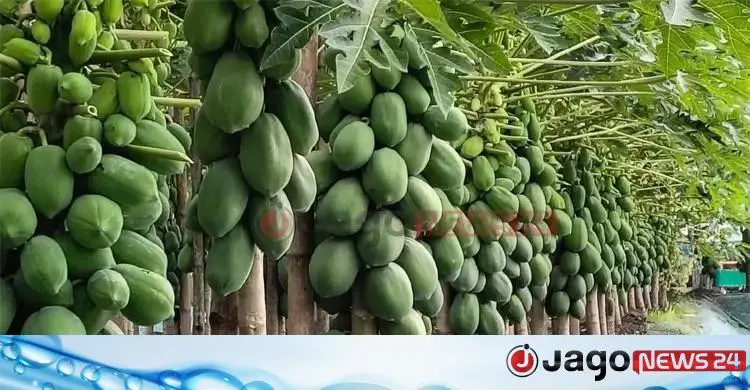
In ancient times people were directly involved in farming, gathering food straight from plants and preparing it, writes Tanushree Gain Priyanka. Some people are still directly involved in farming today. But farming is not just a matter of doing it; one has to know its rules.
There is no alternative to farming for fresh food. Fresh food helps us live healthily, keeps the mind healthy and positive, and gives a chance to embrace nature.
Farming on unused land around the house, on a balcony or on a rooftop is a good idea. It brings the good fortune of staying close to the soil and helps make proper use of time.
Compost in a bucket
First collect a bucket with a lid. Then gather crumbly dry soil, dried cow dung, crushed eggshell, a suitable amount of ash from burnt leaves, sawdust and vegetable peelings. Place the vegetable peelings, soil, dried cow dung, more soil, crushed eggshell, leaf ash and sawdust in the bucket in layers, then close it with the lid for a month.
After a month everything will rot into home-made organic fertiliser. Dry it well in the sun and sieve it to collect pure compost. Growing vegetables in this compost gives a higher yield without fertiliser from the market.
Liquid fertiliser from peelings
Soak vegetable peelings in clean water in a one-litre container for 15 days, keeping the lid firmly closed. After 15 days the peelings will rot into liquid fertiliser. Every morning, mix 300 to 500 millilitres of it with clean water in a five-litre bucket and apply it to the plants for the hoped-for yield.
The results of farming are always positive, the writer says. If you grow aubergine, cucumber, pumpkin, bottle gourd or Malabar spinach at home, you will be spared extra spending at the market and get fresh, unadulterated food without any doubt, which she says can keep you free of disease for life.
The writer is a master's student in management at Government Brajamohan College, Barishal.
Source: Jagonews24. First published in Bengali on The Agro News.

Comments
(0)